
5 Signs Your Plants Are Thirsty, Even if the Soil Feels Wet
You press a finger into the soil, and you feel it is wet and damp. It feels like exactly the way a healthy garden bed should feel. Yet with the passage of daytime, by mid-afternoon the plant above is gradually wilting, and the leaf tips have gone dry and brittle. By increasing the frequency of water, it seems like the obvious fix, but it doesn’t help, and sometimes it makes things worse.
That’s because wet soil and a dehydrated plant aren’t actually a contradiction. Getting water into a plant is a two-step process: the soil has to hold moisture, and the roots have to be able to pull it in. When that second step breaks down, from root damage, compacted soil, or leaves losing water faster than the roots can replace it, the plant suffers even while the ground around it stays moist. This is the point where one should worry about his plant’s life cycle.
Why Damp Soil Can Still Mean A Thirsty Plant
Sometimes, roots do not act as a good source to transplant water to plant parts perfectly. Sometimes they act like a weak link. When they remained soggy for a long time, they started rotting, unable to uptake water to plant. Moreover, pests feeding underground can all reduce how much water a root system can actually absorb, no matter how wet the soil around it is. Also, Heat adds a second complication in wilting the plant, which is once temperatures climb past the mid-90s Fahrenheit, leaves can lose moisture faster than even a healthy root system can resupply it. In this scenario, firstly, plants get wilting as a temporary defense while the soil remains perfectly moist. There are five major signs that depict that there is hidden thirst in a plant and what to do.
1. Wilting That’s Still There The Next Morning
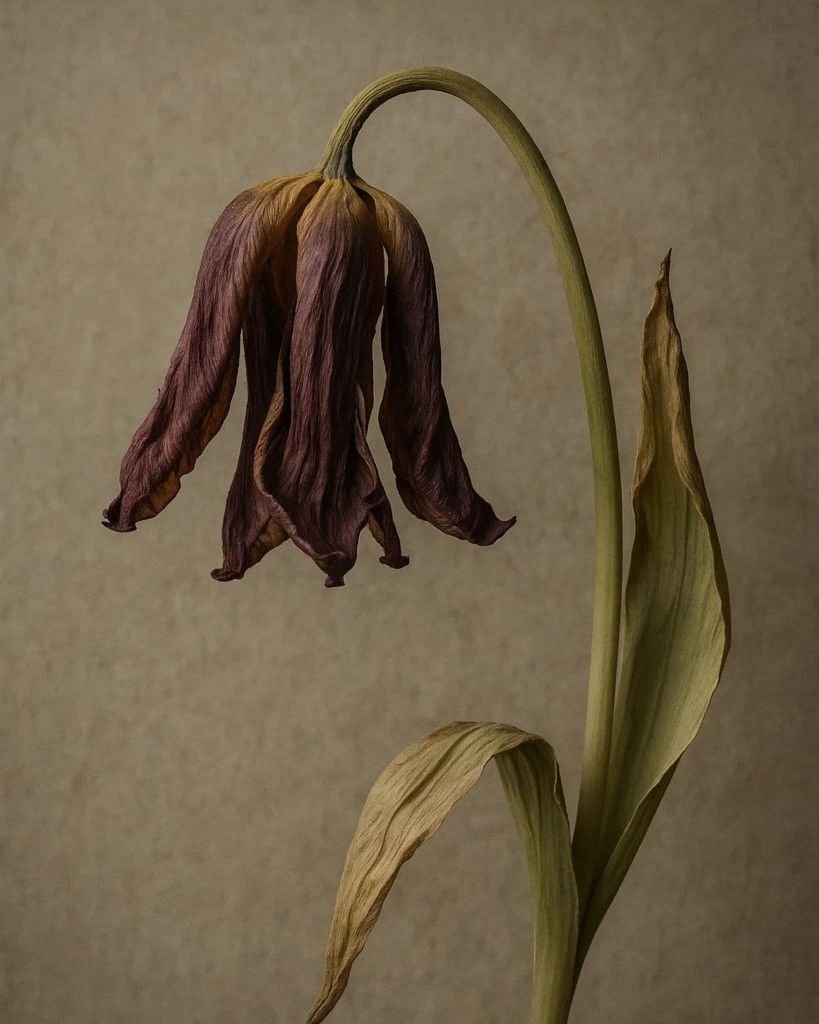
A plant sagging in the afternoon heat is normal and usually bounces back once the sun drops. The concern is the plant is wilting in the morning since overnight is when a healthy plant should recover, refilling its tissues while it barely loses any water. A droop that survives the night points to roots that aren’t delivering water, regardless of how the soil around them feels. This can be caused by root rot, damaged roots, compacted soil, or severe underwatering that hinders the roots from functioning properly. Analyzing the underlying cause early is important, as continued morning wilting can quickly lead to permanent plant stress or even death if left untreated.
2. Dry, Papery Edges On The Newest Leaves
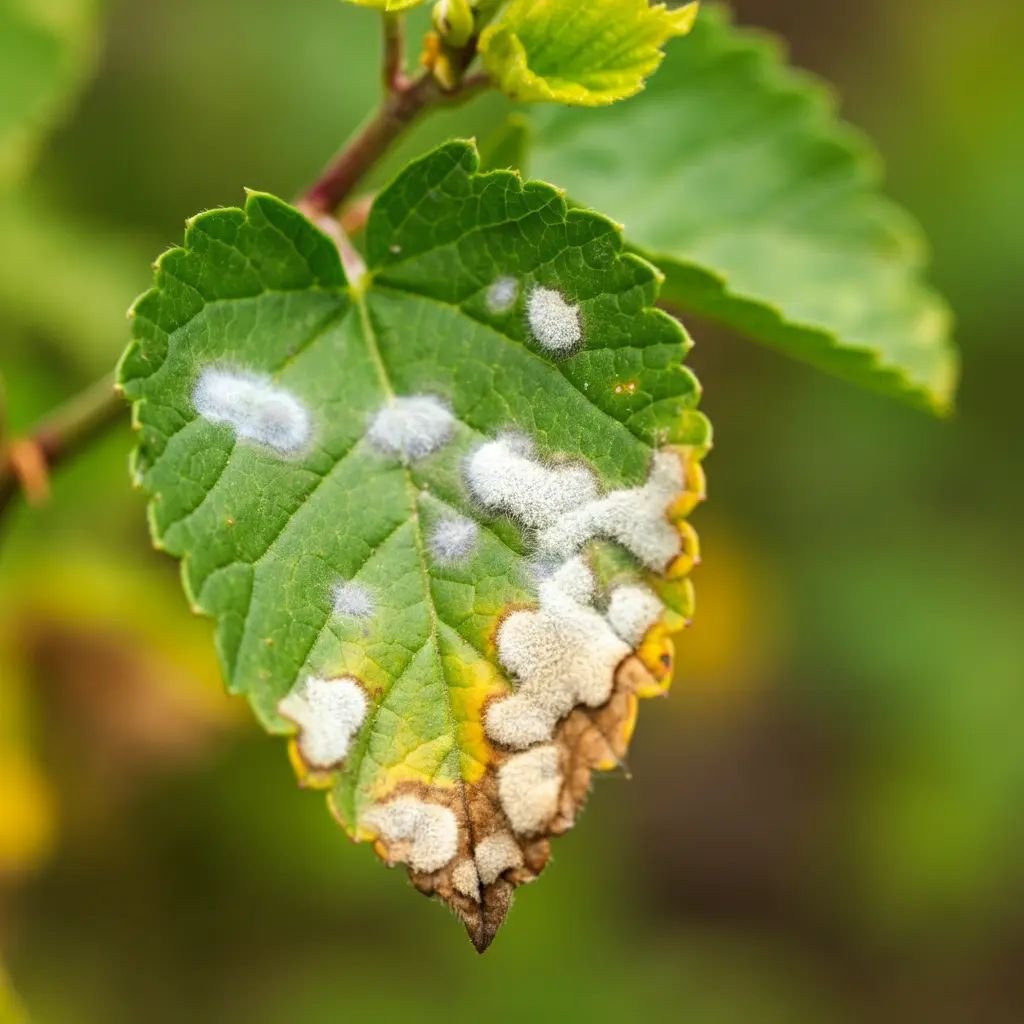
Look at the leaves of this plant, which have brown edges creeping in around the newest growth while the soil seems wet and fine. It is a fact that leaf margins are the last point where a plant sends water, so they’re the first tissue sacrificed when supply runs short internally. But most importantly, they show us a sign of alarm that the plant is going to wilt soon or is out of water. Also, keep in mind, this is different from whole-leaf yellowing, which usually signals overwatering or a nutrient issue instead. So, if edges of a leaf are turning brown, they will keep browning even after watering is corrected. However, identifying and addressing immediately the underlying issue can restore the plant’s health in an effective way.
3. Water Beads On The Surface Or Runs Straight Through
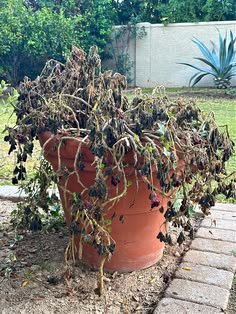
Pour water onto the soil and watch what happens next. If it either vanishes in seconds or sits on top and rolls off the side, both situations are problematic and point to the same underlying issue. Soil that has dried out completely can become water-repellent, developing a waxy surface that sheds moisture instead of absorbing it. In a container, that water often slides down the gap between a shrunken root ball and the pot wall, straight out the drainage hole, without ever reaching a root.
4. A Gap Between The Soil And The Pot’s Edge
Check the rim of any potted plant that’s been struggling. Soil that has dried and shrunk often pulls slightly away from the inside wall of the pot, leaving a thin visible gap all the way around. That gap is a direct path for water to escape without touching the roots at all, which is exactly why a plant can look freshly watered on the surface and still be bone dry at the root ball underneath. In this way, a plant becomes deficient in water quickly and starts wilting. This sign is easy to miss because it’s mistaken for normal settling, but it’s one of the clearest visual clues that watering hasn’t actually been reaching the plant.
5. Leaves That Feel Soft And Have Lost Their Shine
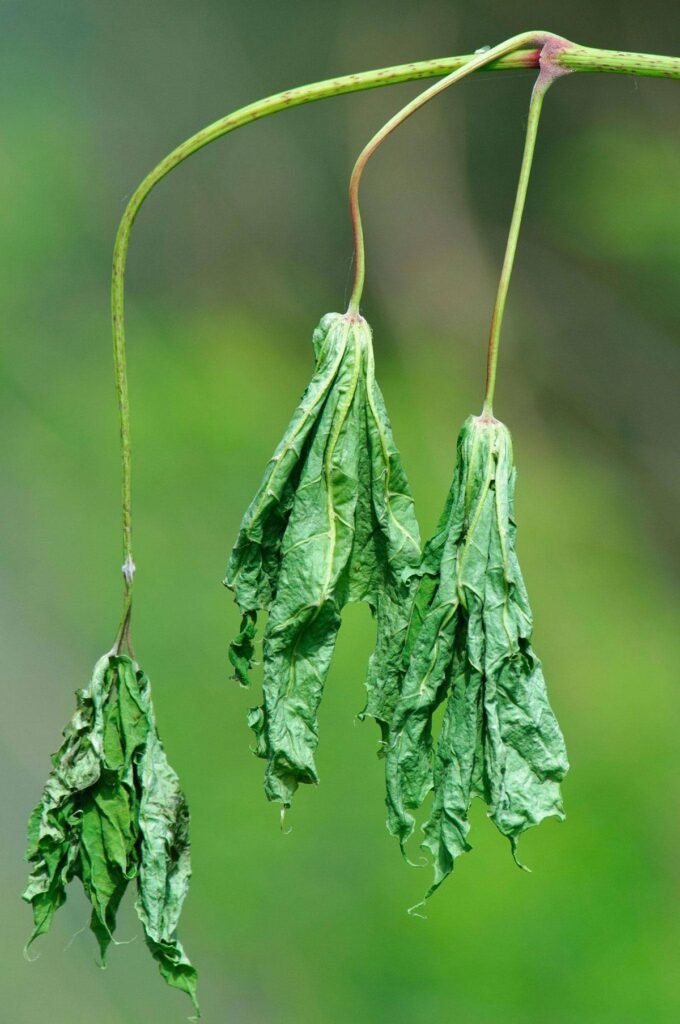
Touch a leaf or run your hand smoothly on it; it will feel fine at first sight. A well-hydrated leaf usually feels firm and slightly stiff or rigid, with a bit of natural gloss to the surface. When a leaf is out of water or dehydrated, it feels thinner and softer instead of smoother. Moreover, its shine turns into dullness into a flatter, slightly grayish-green. This change shows up before any visible wilting or browning, which makes touch a more reliable early warning than appearance alone, especially on thicker-leaved plants that hide stress well.
How To Fix A Plant That’s Thirsty In Wet Soil
There are various steps that can turn wilting plants into breathable and smoother ones. Water-repellent soil needs to be rewetted, not simply watered again. For a container, set the whole pot in a basin of water for around 30 minutes, until the surface darkens and stops bubbling, which means the root ball has finally reabsorbed moisture. In garden beds, the same idea works more gradually: several light waterings spaced about 15 minutes apart let each pass soften the surface a little more before the next one soaks in.
If the roots themselves are damaged, slide the plant out of its pot and take a look. Healthy roots are pale and firm, while damaged ones turn brown, mushy, and sour-smelling. Trim away anything that’s clearly dead, repot into fresh soil, and cut back some of the top growth so the smaller root system has less foliage to support while it recovers.
When heat is the real cause and the roots check out fine, more water isn’t the answer. Afternoon shade, even something as simple as a light cloth or a moved container, does more good than another soaking ever would.
Watering Habits That Prevent This All Summer
A few small changes make hidden dehydration far less likely to sneak up on your garden.
• Water early in the day, while the soil is cool and has time to soak in before the heat pulls moisture back out
• Water deeply and less often, since a slow soak reaches roots that a light daily sprinkle never does
• Add a layer of mulch to slow evaporation and stop the surface from baking into a hard crust
• Check moisture two inches down rather than trusting the surface alone
• Observe a plant in the morning rather than the afternoon, since that’s when wilting tells the truth
Damp soil is reassuring, but it isn’t the full story. A plant that’s still struggling after all the usual checks is almost always asking for something more specific than water, whether that’s better drainage, root care, or simply a little shade through the hottest part of the day.
FAQ
Why Is My Plant Wilting When The Soil Is Wet?
Usually because the roots can’t absorb the water that’s there, due to root damage, compacted soil, or heat pulling moisture out of the leaves faster than the roots can replace it.
How Deep Should I Check Soil Moisture?
Check about two inches down. The surface can feel damp while the deeper soil, where most roots sit, is already dry.
Can Overwatering Cause The Same Symptoms As Underwatering?
Yes. Root rot from overwatering damages the roots’ ability to absorb water, which produces wilting and crisp leaf edges that look almost identical to drought stress.
How Do I Fix Soil That Repels Water?
Soak containers in a basin of water for about 30 minutes, or water garden beds in several light passes spaced 15 minutes apart, so the dry surface has time to soften and absorb moisture instead of shedding it.



2 Comments