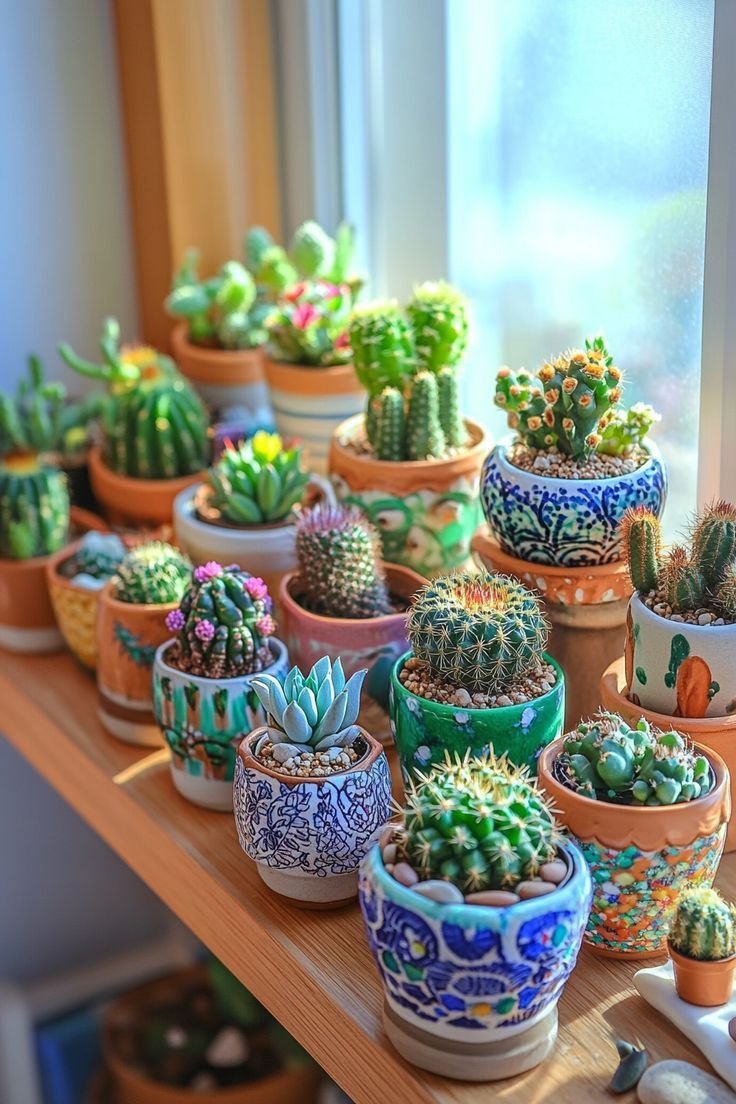
Cactus Care Tips: The Complete Guide To Growing Healthy Cacti At Home
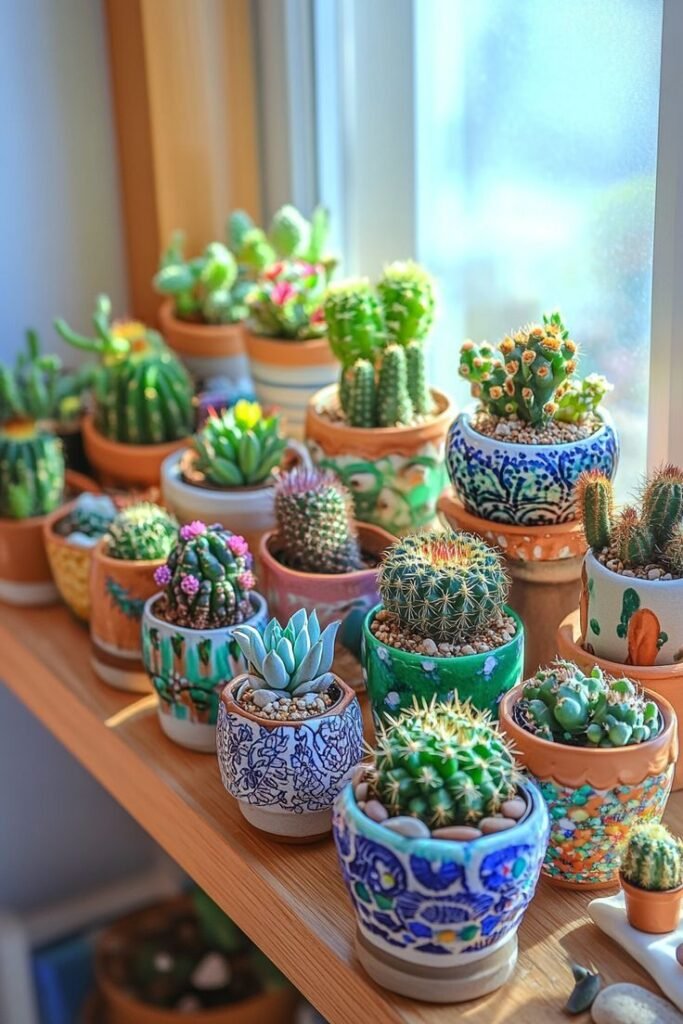
Even though the outside may seem tough, cacti are plants that need taking care of. Taking care of a cactus indoors means you need to take care of all the aspects of the cactus’s way of life in the desert. If you understand how cacti function, they may reward you with years of beauty.
This book will help you understand every aspect of cactus care. By the time you finish reading it, you will feel competent about your ability to grow cacti in your own house.
Why Are Cacti So Popular For Home Decor?
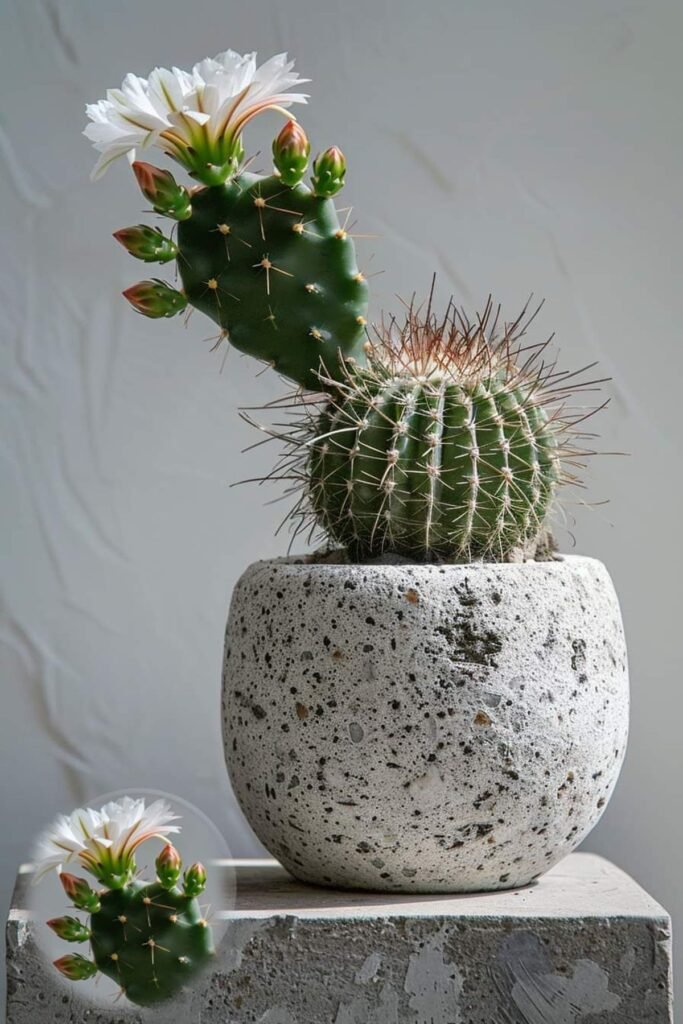
Nearly any environment, type, or schedule can be suitable for growing cacti. Compared to the vast majority of houseplants, cacti demand less attention. Thus, they can be a wonderful décor element for busy households and offices.
Moreover, their shapes are visually appealing. No matter if it is a small pincushion or a tall columnar cactus, every specimen impresses with its individuality.
How Much Light Does A Cactus Need?
Cacti evolved in the extreme heat of desert nature. Most of them need to receive around four to six hours of sunlight. The best locations to place different varieties of cacti are south- and west-facing directions.
Etiolation is weak and stretched growth in plants resulting from insufficient light. The cacti become less compact and grow unevenly.
The symptoms for cacti to be exposed to enough light include the following:
• Light green or yellowish coloration
• Stems being thin and stretched
• Leaning in one direction
• Slow or stalled growth in the spring and summer
Change the pots about every week or two for even growth across different directions.
How To Grow Cactus At Home: Choosing The Right Soil And Pot?
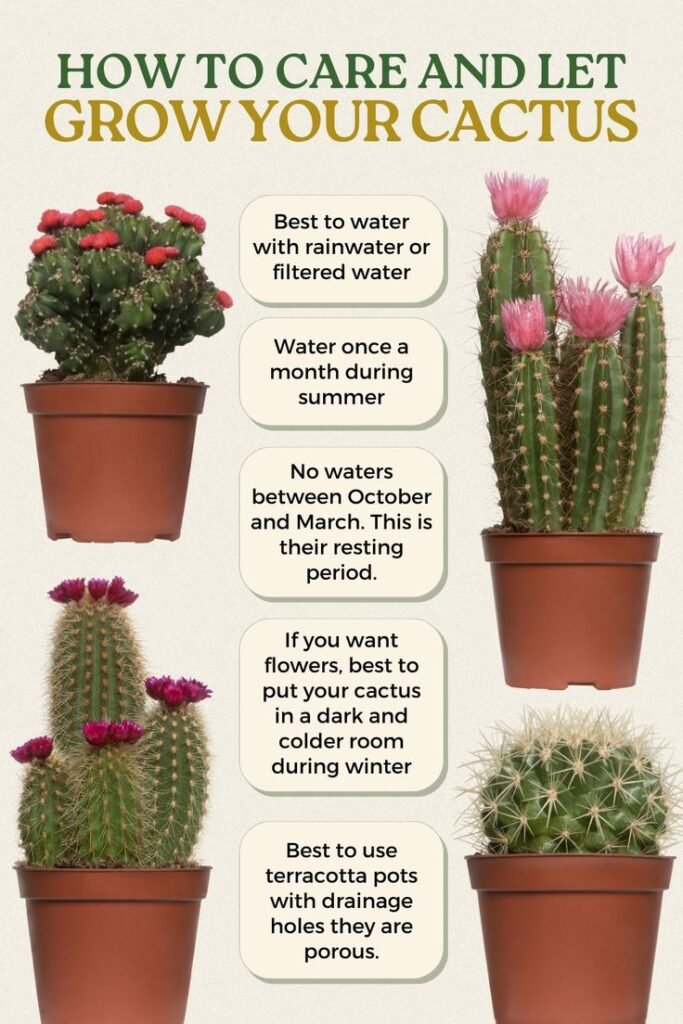
The most critical factor in taking care of cactus plants is draining. Utilizing regular potting mixture causes root decay since it retains too much water. It is a better option to use a mixture that has been specifically created for cacti or succulents. The points below are an outline on how to come up with the right proportions:
• Two parts normal potting soil
• One part coarse sand
• One part pumice or perlite
Always use a pot that comes with a drainage hole. Terracotta is an ideal pot since it is made of porous material that allows for drainage of excess moisture.
HOW OFTEN SHOULD YOU WATER A CACTUS?
It’s better to overwater cacti than to let them dry out. Cacti can survive long dry spells due to the moisture held within their tissues.
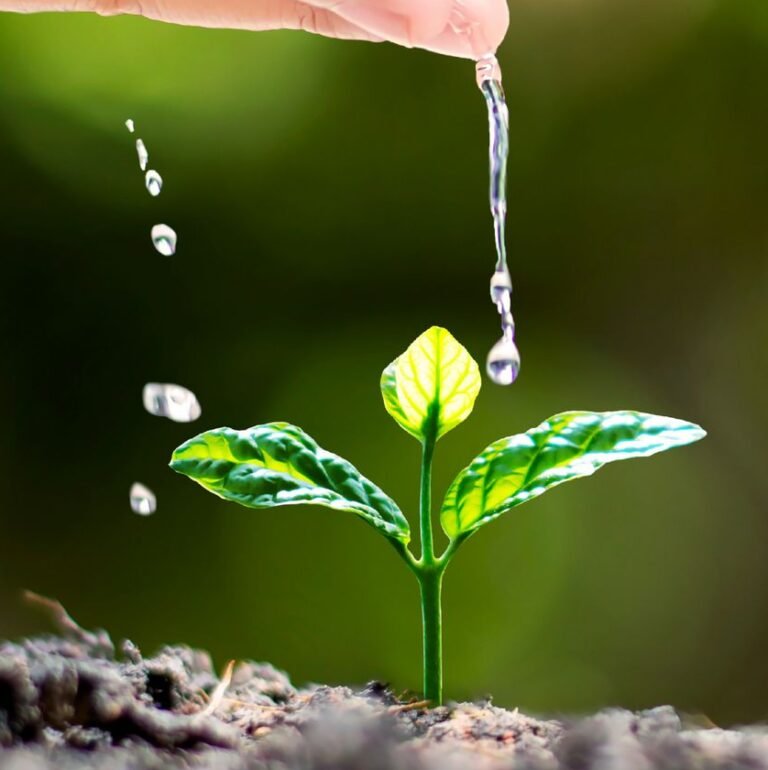
Water only when the soil is completely dry in spring and summer. The frequency of watering can vary from one to two weeks depending on the heat and wetness of the environment.
In autumn and winter, cacti enter a dormant period, and the need for watering becomes less. Water them every four to six weeks.
One simple tip that can help successfully grow cacti is to think twice if you are not sure. It’s easy to deal with underwatering, but root rot may be fatal.
What Temperature And Humidity Do Cacti Prefer?
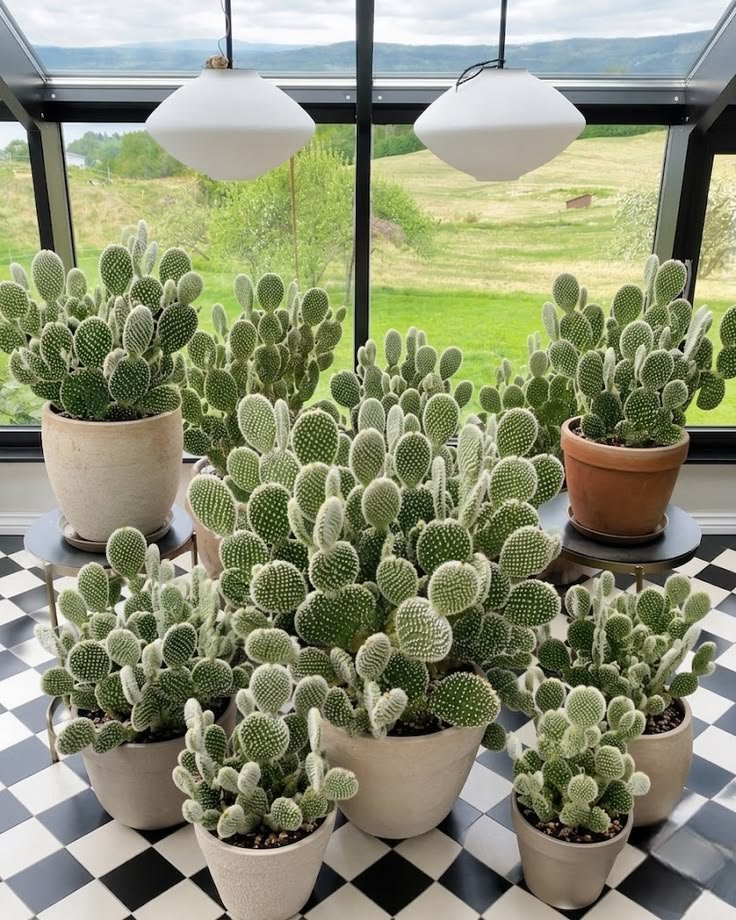
Most species of cacti prefer to have their temperature ranges between 21°C and 27°C and can survive the temperature drops to the level of 10°C, particularly during the time of lack of growth in the winter.
Avoid putting the cacti close to the heating sources and open windows. Sudden changes in temperature create conditions of stress for this plant, which interferes with its development.
The humidity requirements of the cacti are not as high as those of tropical plant counterparts. Most species of cacti feel well even in the dry indoor air of the winter.
How Do You Feed A Cactus For Healthy Growth?
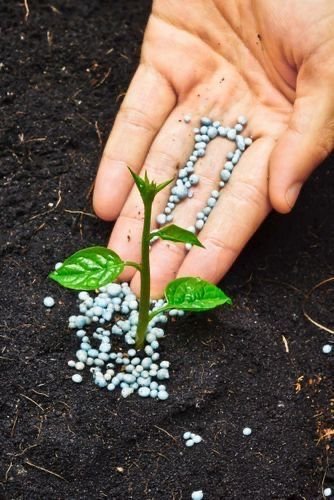
Cacti are considered the least demanding of all indoor plants when it comes to feeding requirements. Hence, an excess of fertilizers will lead to weak phone growth.
Feed every month during spring or early autumn when the growth is vigorous. Use half-strength fertilizer.
There is absolutely no need for fertilizers in autumn or winter. The plant is not growing and therefore does not require any extra nutrients.
How Do You Repot A Cactus Without Getting Hurt?
Once the roots of the cactus grow larger than the pot, or every two-three years, it’s time to repot. The best time to do this is during spring when the new growth begins.
Use a thick glove or paper strips to protect your hands, then wrap up the cactus before taking it out of the old pot.
How to repot safely:
1. Let the soil dry out before getting started.
2. Pull the cactus by loosening the edges of the pot.
3. Check the roots and clean off the excess soil.
4. Remove any rotten or damaged roots.
5. Use a new cactus mix to fill in the space around the cactus and wait about a week before watering it.
Should You Move Your Cactus Outdoors?
People are quite interested in knowing how cactus can benefit from outdoor time. Most cacti found in the desert thrive under natural light and air in summer months. Your cactus will flourish and be healthy with time spent outdoors in spring and summer.
However, make sure that you do not expose it to direct sunshine from the beginning. If indoor cactus are exposed to strong sun too early, they may suffer from burns. Initially, place the cactus in a partially shaded location for a few days prior to making it get accustomed to the presence of direct sunlight. Likewise, before the temperature falls below 10 degrees, it would be a good idea to bring it back indoors as well since most usual houseplant cacti are not very frost-resistant.
Seasonal Cactus Care Tips
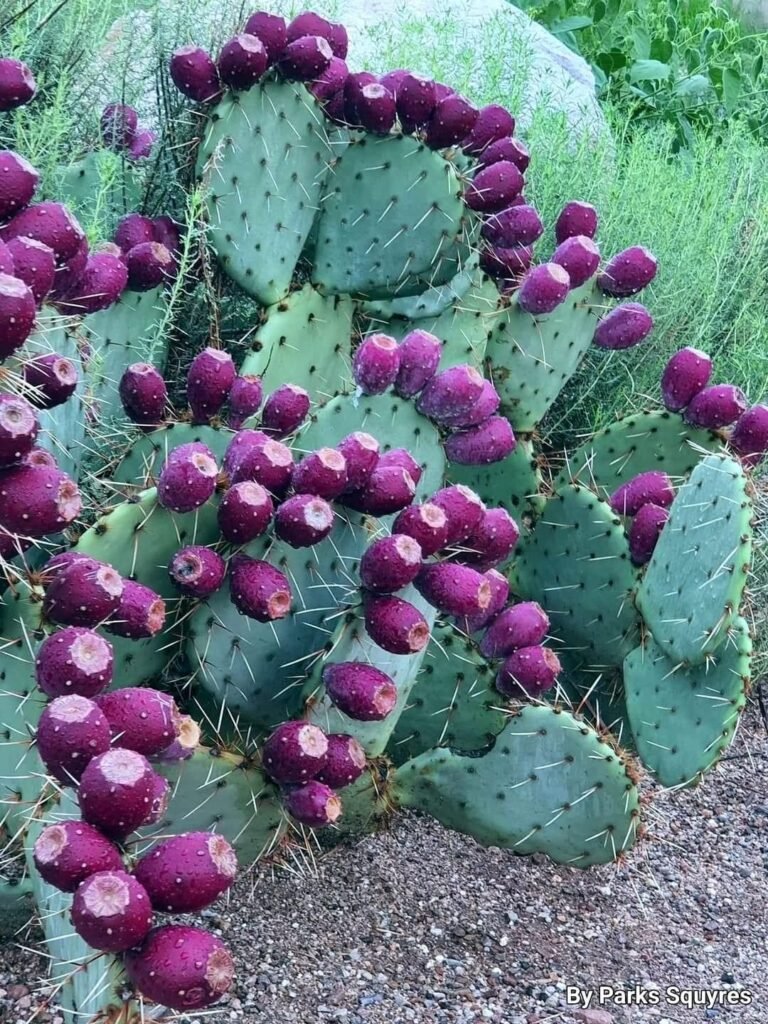
Seasonal changes in the way cacti are treated are beneficial for keeping them in good condition. As winter wanes, one can increase watering as the cactus begins to grow again as spring approaches. Summer is the best time for fertilizing, repotting, and propagating healthy cacti because it is also the active growth period for cacti.
As the fall approaches, decrease watering and stop fertilizing the cactus to prepare it for the time of natural dormancy. During winter, water the cactus only after keeping the soil completely dry for several weeks and keeping the cactus in a well-lit area with a cool constant temperature. Following seasonal care helps several cactus species to strengthen the roots and produce more growth and flowers.
How Do You Propagate A Cactus?
Propagation is one of the easiest ways of growing your collection. Most cacti can grow from a single pad, cutting, or offset.
To do this, make use of clean shears and trim the desired part. Before you plant it in the soil, let it dry for three to seven days.
Once the cutting is dry, you can place it in the dry cactus soil and avoid watering for a week in order to prevent rotting.
What Are Common Cactus Problems, and How Do You Fix Them?
Most cactus problems arise as a result of light, water, or pest issues. If caught early enough, minor issues will not develop into major problems.
• Too much water can result in root rot. To save the plant, take it out of its soil, cut away any rotten roots, and repot it using a dry soil mixture.
• Mealybugs are fuzzy, white insects that can be found on roots or stems. Use a cotton swab soaked in alcohol to kill them.
• Wrinkled skin indicates that the plant has been overwatered. Water the plant completely and wait for it to improve.
• Brown, corky patches are usually the result of sunburn caused by sudden brightness. Move the plant to brighter areas gradually.
Faqs
Can Cacti Survive Without Direct Sunlight?
For the majority of cacti to remain healthy, they require intense light, either direct or indirect. The Christmas cactus is one of the few kinds that can withstand less light.
How Do I Know If My Cactus Is Dying?
Check for a bad odor at the base or dark, mushy stems. Instead of typical dormancy, these symptoms indicate root disease.
Is Tap Water Safe For Cacti?
Most cactus can survive on tap water unless it is extensively chlorinated or softened. If you’re worried, let the water sit outside for a day.
Do Cacti Need Bigger Pots As They Grow?
True, but it happens occasionally. In reality, cacti would prefer to experience root-bound conditions as opposed to ending up in a large pot.
What Is The Easiest Cactus For Beginners?
Less demanding are such cactus types as saguaro cactuses or golden barrel or bunny-ear cactuses that thrive in low-light conditions and infrequent watering.