
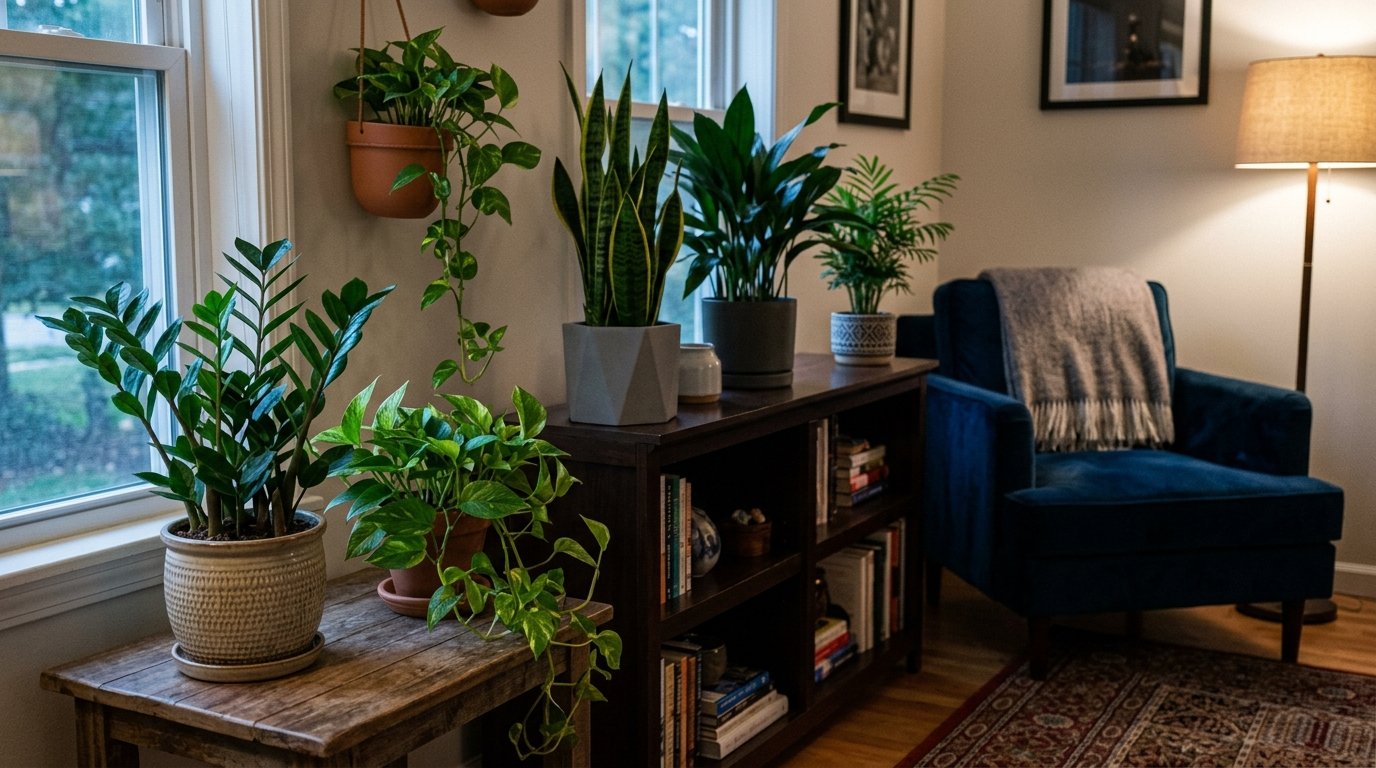
8 Best Low-Light Indoor Houseplants for Every Room
There are people who are looking for a sunroom to keep houseplants alive. But this is a fact: you don’t need a sunroom to keep houseplants alive. There are at least one or two corners in most homes that get filtered light at best. And this is the place, the corner where low-light plants grow best and fast.
One thing worth mentioning here is you begin by matching plant to spot: north-facing windows, hallways, and rooms lit mostly by lamps all count as low light, not no light. Choose those plants that evolved as forest-floor understory species, since they’re built to photosynthesize efficiently on scraps of sun.
Also remember, they need a minimal amount of water because low light slows growth and root uptake. When you choose these strategies, which are summarized as follows
- Match the plant to your room’s light conditions.
- Place plants in north-facing windows, hallways, or other low-light areas.
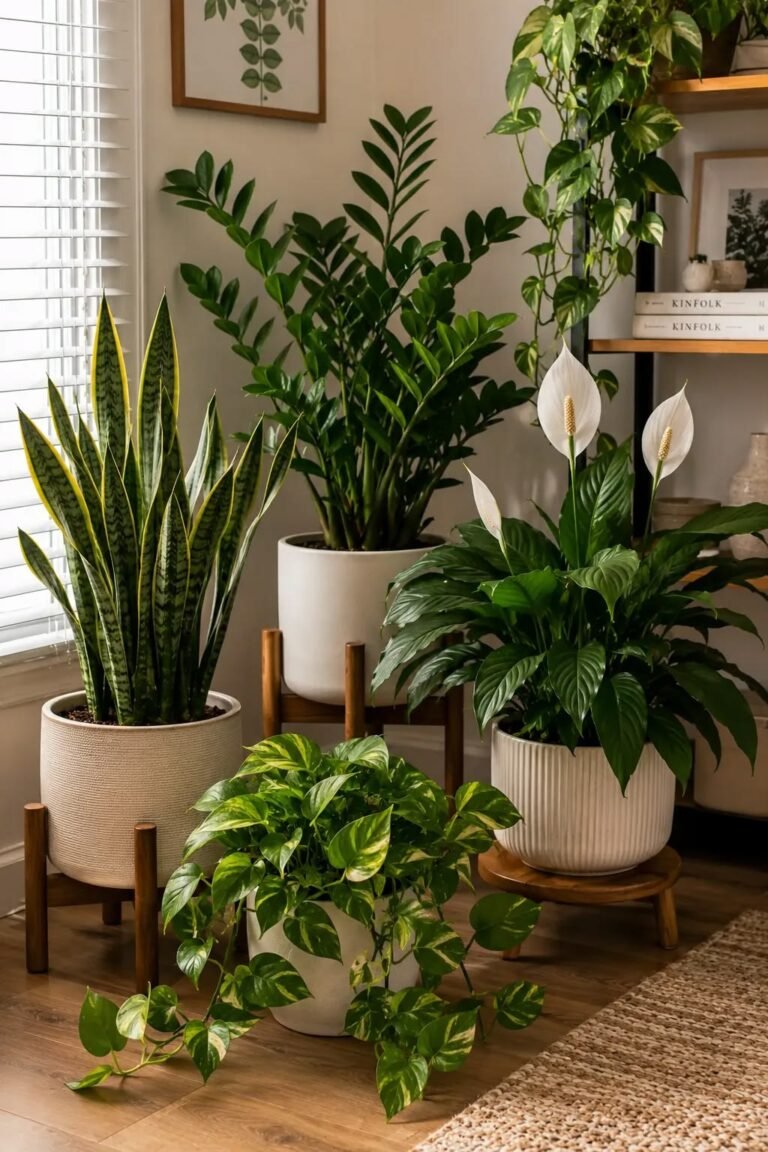
- Choose low-light plants like Snake Plant, Peace Lily, Chinese evergreens, or Heartleaf Philodendron.
- Remember: low light isn’t the same as no light.
- Water sparingly.
- Check the soil before watering.
- Keep plants in one spot with consistent indirect light.
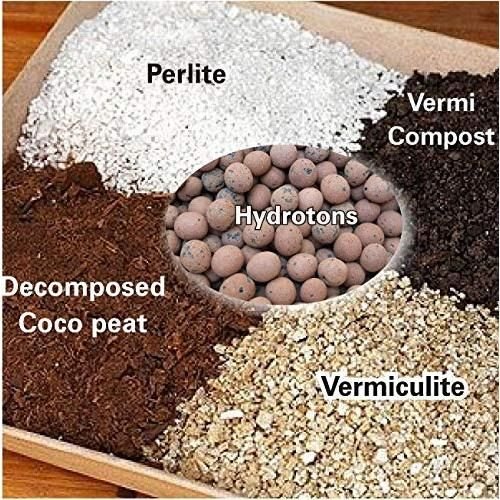
- Use well-draining soil and pots with drainage holes.
- Mix upright and trailing plants for visual appeal.
- Wipe leaves regularly to remove dust and improve light absorption.
Why Low Light Doesn’t Mean No Light
“Low light” is one of the most misunderstood terms when it comes to indoor plantations. It doesn’t mean a windowless room or a closet, because in this type of environment a plant will die eventually, sooner or later. “Low light” actually means indirect or filtered light. such as a north-facing window, a spot several feet back from a bright window, or a room lit mainly by daylight bouncing off nearby walls.
Low light means indirect or filtered sunlight, such as near a north-facing window, a few feet away from a bright window, or in a room where natural light reflects off nearby walls. Plants that naturally grow under forest canopies are well adapted to these conditions because they can use small amounts of light efficiently. However, high-light plants like succulents won’t thrive in low-light spaces, while low-light plants are designed to grow there.
Soil, Watering, And Placement For Low-Light Success
This is a fact that when there is low light, it slows the metabolism of a plant. So, one needs to be much more careful about these plants in order to make them compete with sun-loving plants. Use a pot that is good for good drainage, since slower growth means roots sit in moist soil longer before using up water.
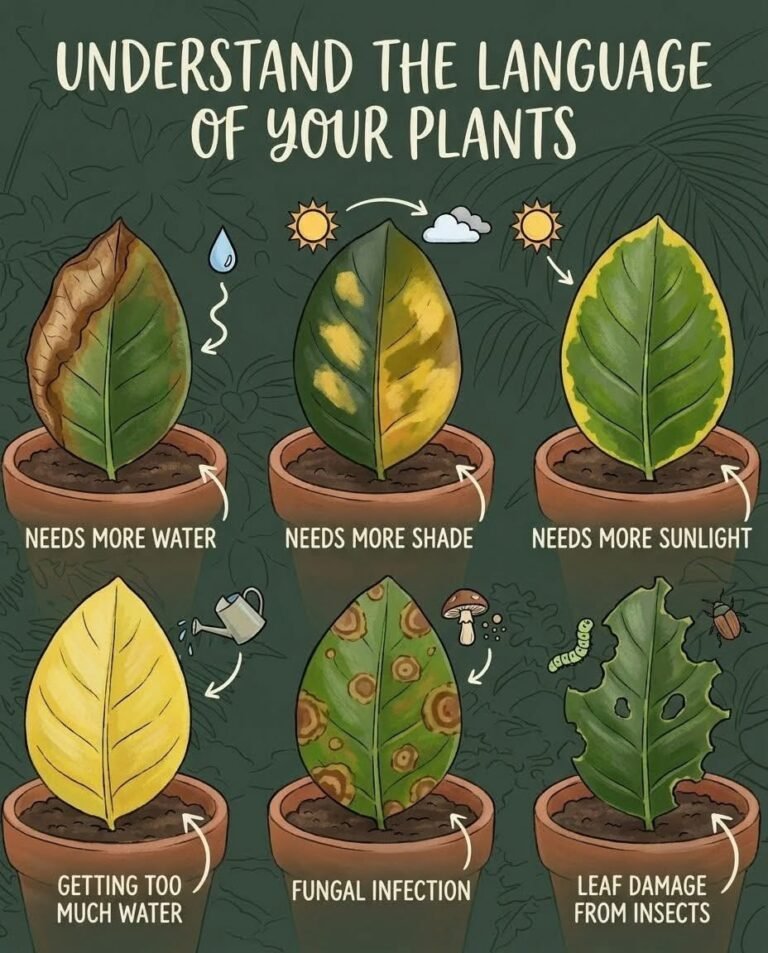
Remember to water only when the top 2 inches of the pot soil feel dry, and expect that interval to stretch longer in winter when light levels drop further. Must choose those pots with drainage holes regardless of how attractive a sealed ceramic pot looks, since low light combined with trapped water is the quickest way to root rot. Also, shuffle plants periodically so growth doesn’t lean permanently toward whatever light source they’re getting.
Pothos For Nearly Foolproof Trailing Growth

Pothos bears lower light better than almost any trailing houseplant on the market, and it keeps growing even when overlooked for weeks at a time. Its heart-shaped leaves come in solid green, marbled, or golden variegated forms, though variegation fades somewhat in very low light.
Let the soil dry out between waterings, and trim long vines periodically to keep growth full rather than leggy. Pothos works equally well trailing from a shelf or trained up a moss pole.
Snake Plant For Architectural Structure And Neglect Tolerance

Snake plant grows in low light, with periodic watering and dry indoor air, better than nearly any other houseplant, making it a reliable choice for offices and bedrooms alike. Its stiff, upright leaves add vertical structure that pairs well with trailing plants nearby.
Water only every few weeks, since overwatering is the primary way people kill this otherwise nearly indestructible plant. Snake plant also tolerates a diverse range of temperatures, so it handles drafty windows or rooms without climate control.
Zz Plant For Glossy Leaves In Deep Shade

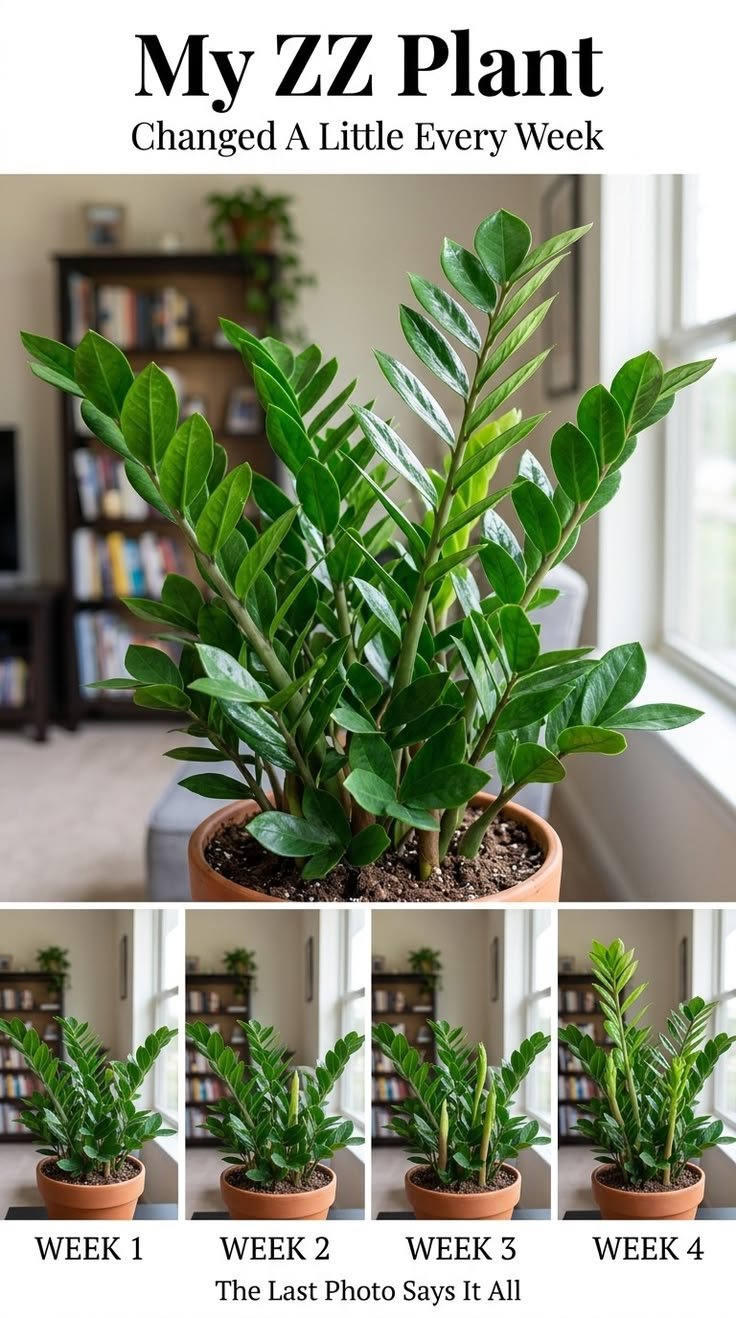
The ZZ plant grows from thick rhizomes that store water, letting it go longer between waterings than almost any other low-light option. Its glossy, dark green leaves reflect what little light they receive, giving the plant a polished look even in dim corners.
Do not put it in direct sunlight because it can scorch the leaves. The ZZ plant grows slowly, so don’t expect quik size increases, but that slow pace also means less frequent repotting.
Peace Lily For Low Light With Visible Watering Cues

Peace lily endures low light better than most flowering houseplants and rewards consistent care with white blooms even indoors. Its leaves droop visibly when the plant needs water, which takes the guesswork out of a watering schedule.
Always try to keep soil moist but not soggy, and wash or clean leaves periodically to remove dust that blocks light absorption. Peace lilies also help signal humidity needs since leaf tips become brown in overly dry air.
Chinese Evergreen For Color In Dim Corners

The Chinese evergreen offers more leaf pattern variety than most low-light plants, with cultivars ranging from deep green to silver, pink, and red variegation. Darker-leafed varieties tolerate lower light better than the more colorful cultivars, so match the variety to how dim the actual spot is.
Put water on when you observe that topsoil is dry. Also, keep it away from cold drafts, since it’s sensitive to temperature swings below 60 degrees.
Cast Iron Plant For The Darkest Corners In The House

Cast iron plants are significant for their characteristics of tolerating deep shade, temperature swings, and irregular watering better than nearly any houseplant available. Its wide, dark green leaves grow slowly but persist for years with minimal intervention.
This is the plant for a dim hallway or stairwell landing where nothing else has survived. Repotting is rarely necessary since the cast iron plant prefers being slightly root-bound.
Parlor Palm For A Low-Light Touch Of The Tropics

Parlor palm consists of feathery, tropical texture for low-light rooms. They do not demand the bright light most palms need outdoors. Its specialty is that it grows well in indirect light and adapts to average indoor humidity better than many other palm varieties sold as houseplants.
You have to keep soil a bit moist and humid and avoid letting it dry out completely, since a parlor palm is less drought-tolerant than a snake plant or ZZ plant. What makes it strong choice for room tables? Its compact size makes it a strong choice for desks and side tables.
Pairing Upright And Trailing Plants For Layered Rooms

The most visually interesting low-light rooms combine upright structural plants with trailing ones, the same principle that drives outdoor container design. Place a snake plant or ZZ plant as an anchor, then add trailing pothos or a small vining philodendron nearby to soften hard lines and fill shelf edges.
This layered approach creates depth in a room the same way a thriller-filler-spiller container does outdoors, just adapted for indoor light levels.
Conclusion
Low light doesn’t mean a hollow corner or a struggling plant that never quite thrives. When one chooses the right species that are specifically designed for enduring low light and less water intake, then dim rooms can hold as much greenery as sunlit ones.
Begin your indoor plant journey with one or two of the most forgiving varieties, learn how your specific space behaves through the seasons, and build out from there. Shuffle the plants and observe silently; your place will bloom with beautiful plants.
2 Comments