Monstera Care: The Complete Guide To Watering, Light, And Those Famous Split Leaves
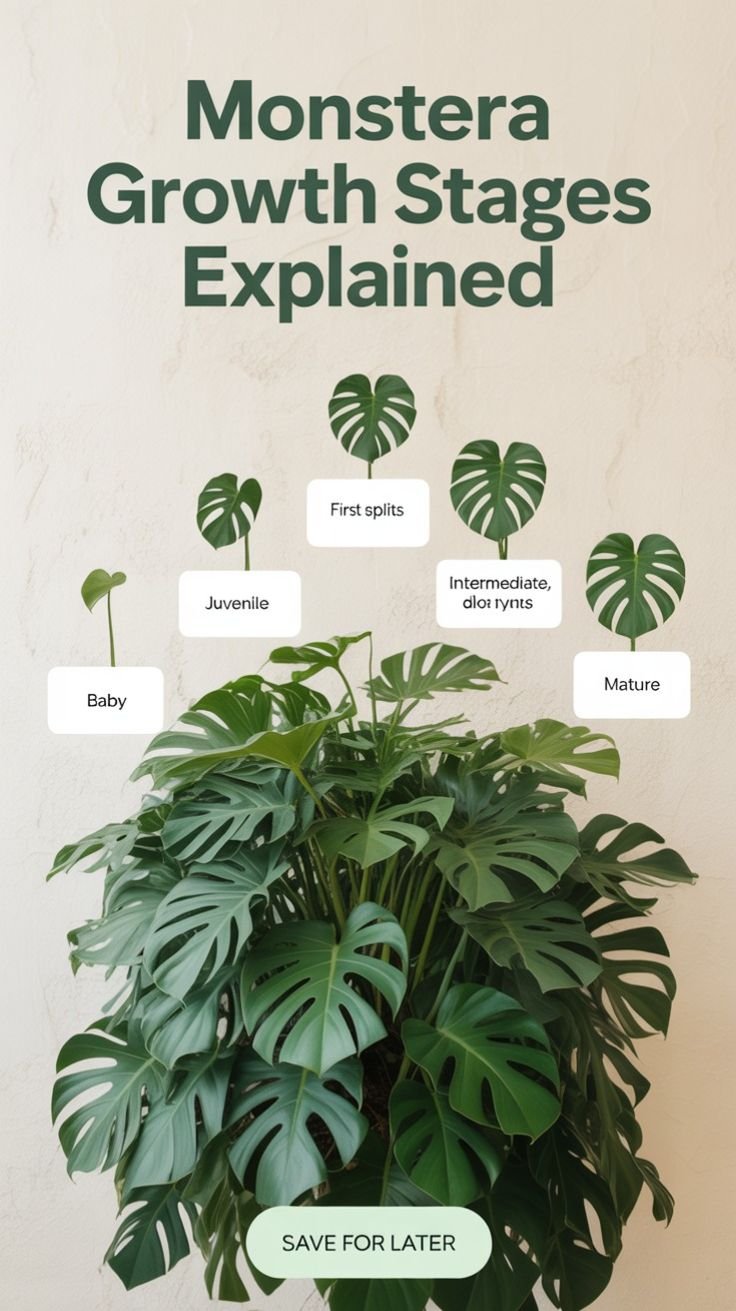
A young monstera with plain, unsplit leaves is not sick; it is just not mature enough yet. That single fact solves half the confusion people run into with this plant. The other half comes down to getting light, water, humidity, and support right, because a monstera that gets those things consistently will keep pushing out bigger, more deeply cut leaves for years. Get any one of them wrong and growth stalls, even if the plant technically survives.
Monstera deliciosa has become one of the most recognizable houseplants around, and for good reason. It grows fast when it’s happy, it forgives the occasional missed watering, and there’s a genuine sense of progress every time a new leaf unfurls a little more split than the last one. This guide covers everything the plant actually needs, plus the fixes for the problems almost every owner runs into eventually.
Why Do Monstera Leaves Split?
Leaf splitting, called fenestration, happens as the plant matures and gets enough light to support larger foliage. A monstera’s early leaves are small and solid because the plant hasn’t built up the energy reserves yet to grow the bigger, perforated leaves it’s known for. More light speeds this process up. A plant kept in a dim corner may take years to produce its first split leaf, while one in bright, indirect light can start fenestrating within its first year.
A few factors influence how quickly and dramatically a monstera fenestrates:
- Light intensity: the brighter the indirect light, the sooner and more deeply the leaves split
- Plant age: even in ideal conditions, the plant needs to pass its juvenile stage first
- Pot size and root space: a slightly root-bound plant often pushes more energy into leaf development
- Support structure: climbing monsters tend to fenestrate more than trailing ones
- Overall plant health: a stressed or underfed plant will hold off on producing energy-intensive split leaves
If your monstera has been in the same spot for over a year with no change in leaf shape, light is almost always the missing piece.
How Often Should You Water A Monstera?
Water a monstera when the top two inches of soil are dry, which usually works out to once every one to two weeks depending on light, humidity, and pot size. The plant would rather be slightly underwatered than sitting in soggy soil, since its roots are prone to rot if they stay wet too long.
Check the soil with a finger before watering on a fixed schedule. A monstera in a bright room during summer will drink faster than the same plant in a dim room during winter, so the calendar matters less than what’s actually happening in the pot. A few things shift how often a monstera needs water:
- Season: growth slows in fall and winter, so watering should slow down too
- Pot material: terracotta dries out faster than plastic or ceramic
- Humidity: dry indoor air pulls moisture out of the soil faster
- Plant size: a larger monstera with more leaves uses more water than a small one
- Light levels: more light means faster photosynthesis and quicker soil drying
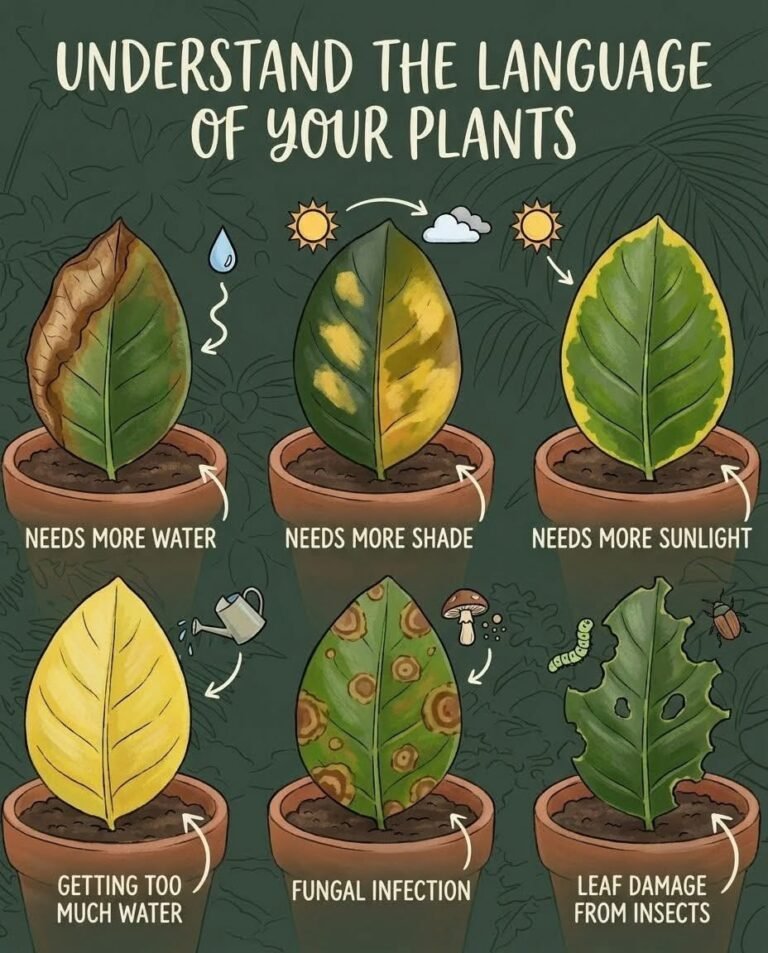
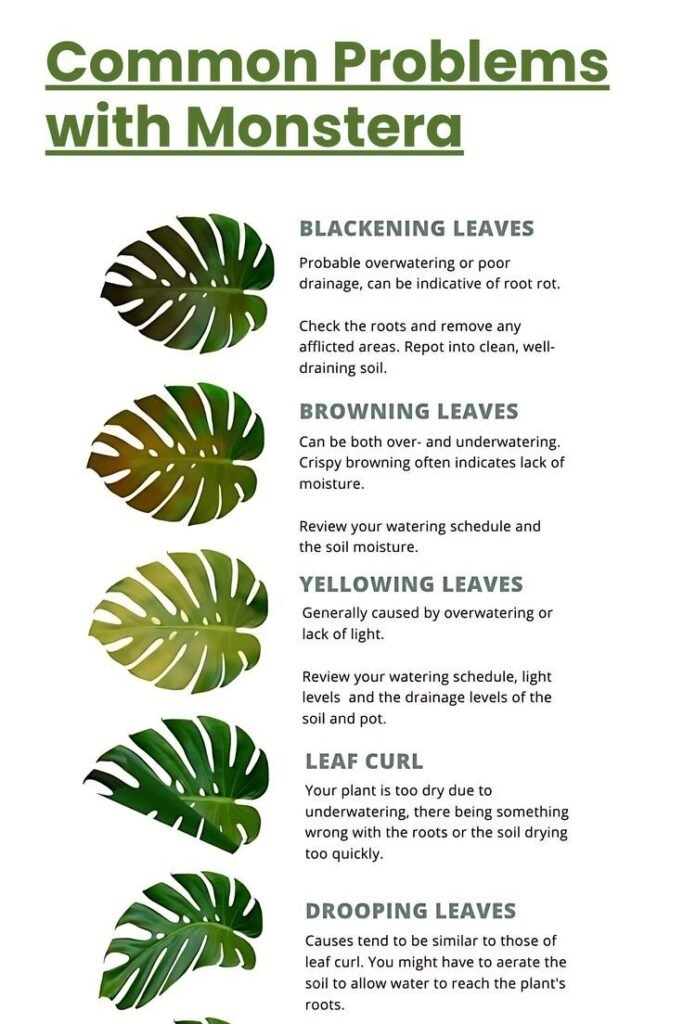
Signs you’re watering wrong show up fast. Drooping, curling leaves paired with dry soil mean the plant is thirsty. Yellowing lower leaves paired with damp soil almost always point to overwatering. When in doubt, wait a day or two longer rather than watering on impulse, since a monstera recovers from underwatering far more easily than from root rot.
What Kind Of Light Does A Monstera Need?
Bright, indirect light is what a monstera needs to grow well and eventually produce those signature split leaves. Monstera plants thrive in bright, indirect light. They can tolerate medium light levels, but their growth may be slower. An east-facing window or a spot a few feet back from a south or west-facing window works well. Direct afternoon sun can scorch the leaves, leaving crispy brown patches that don’t heal. However, it
A monstera kept in low light will survive, but it grows slowly, stretches toward the nearest light source, and rarely fenestrates. If your plant’s leaves stay small and flat no matter how long you’ve had it, low light is almost always the reason. Signs your monstera isn’t getting enough light include:
- Long gaps between leaves on the stem, sometimes called legginess
- Leaves that stay small and don’t fenestrate even after a year or more
- The plant visibly leaning or twisting toward the nearest window
- New leaves emerging noticeably smaller than the ones before them
If you notice several of these at once, moving the plant even a few feet closer to a window can make a visible difference within a few weeks.
Does A Monstera Need A Moss Pole?
A moss pole isn’t required, but it changes how the plant grows. In the wild, monsteras climb trees, and their leaves get larger and more deeply split when the plant is supported and allowed to climb rather than trail or sit unsupported. Without something to grip, a monstera will still grow, just with smaller leaves and a leggier, less full shape over time.
If you want the biggest, most dramatic leaves, give the plant a moss pole or coir pole and gently guide the stem against it as it grows. A few tips make this process easier:
- Keep the moss pole consistently damp, since the aerial roots grip and feed off the moisture inside it
- Loosely tie the main stem to the pole with soft plant ties or twine until the aerial roots attach on their own
- Add height to the pole as the plant grows rather than starting with something too tall too soon
- Mist the pole occasionally in dry indoor air to keep it from drying out completely
Once the aerial roots latch onto the pole, the plant typically needs less manual support from that point forward.
Soil And Repotting
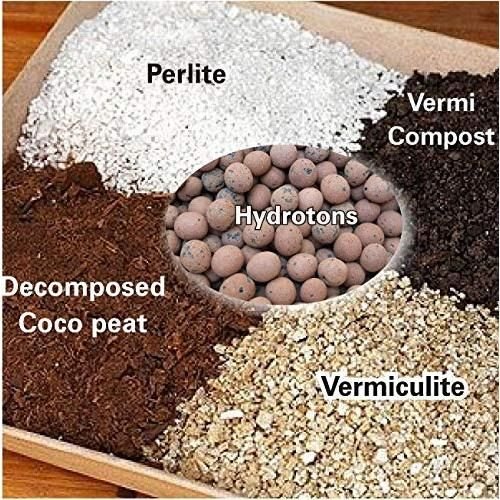
Use a chunky, well-draining mix, something like a standard potting soil blended with orchid bark and perlite. This mimics the loose, airy conditions monstera roots prefer in nature and helps prevent water from sitting around the roots too long.
Repot every one to two years, or sooner if you see roots circling the bottom of the pot or growing out of the drainage holes. Move up only one pot size at a time. A pot that’s too large holds excess soil that stays wet far longer than the roots can use, which invites rot. Signs it’s time to report include:
- Roots visibly growing out of the drainage holes
- Water running straight through the pot without the soil absorbing it
- The plant is drying out much faster than it used to between waterings
- Slowed growth despite good light and a consistent watering routine
Humidity And Temperature
Monsteras come from humid tropical forests and generally do best in humidity above 50 percent, though they adapt reasonably well to average home conditions. In very dry air, especially during winter heating season, leaves may develop crispy edges even when watering is on track.
A few ways to raise humidity around the plant:
- Group it with other houseplants to create a slightly more humid pocket of air
- Set the pot on a tray of moistened pebbles, keeping the pot itself above the waterline
- Run a humidifier nearby, especially in colder months
- Avoid placing the plant directly next to heating vents or drafty windows
Ideal daytime temperatures sit between 65 and 85°F, with a slight drop at night being perfectly fine. Sudden cold drafts or temperatures below 50°F can stress the plant and slow growth noticeably.
What Are The Common Monstera Problems And How To Fix Them
Yellow leaves usually mean overwatering. Let the soil dry out more between waterings and check that the pot has proper drainage.
Brown, crispy edges typically point to low humidity or too much direct sun. Move the plant out of direct light and consider a humidifier or a pebble tray nearby.
No new splits on new leaves almost always come back to insufficient light. Move the plant closer to a bright window.
Small yellow or brown spots on leaves can indicate pest activity. Check the undersides of leaves for spider mites or scale, and wipe the leaves down with a damp cloth or insecticidal soap if you spot anything.
Leggy growth with leaves far apart on the stem signals the plant is stretching toward light. Move it somewhere brighter and consider staking the stem for support.
Drooping despite moist soil can point to root rot. Gently check the roots, and if they’re mushy or dark, trim the damaged sections and repot into fresh, dry soil.
Are you the one having a Monstera at home and looking for its proper guidelines? Follow the above points to have a lush green indoor for your healthy mind and soul. Moreover, With the right light, a steady watering rhythm, some humidity, and something to climb, a monstera rewards patience with leaves that keep getting bigger and more dramatic year after year.
FAQ
Why Is My Monstera Not Splitting?
It’s not getting enough light. Fenestration depends heavily on bright, indirect light, so a monstera kept too far from a window will keep producing small, solid leaves no matter how old it gets.
Can Monstera Grow In Low Light?
Yes, but it will grow slowly and rarely produce split leaves. It will survive in low light, not thrive.
How Do I Make My Monstera Fuller?
Give it bright light, a pole to climb, and prune back leggy stems occasionally to encourage new growth from lower nodes.
Should I Mist My Monstera?
Misting offers a brief humidity boost but doesn’t do much long-term. A humidifier or pebble tray is more effective if your air is dry.
Is Monstera Toxic To Pets?
Yes. Monstera contains calcium oxalate crystals that can irritate the mouth, throat, and stomach if chewed or eaten, so keep it out of reach of curious cats and dogs.
How Fast Does A Monstera Grow?
Under good light and consistent care, a monstera can produce a new leaf every four to six weeks during spring and summer, with growth slowing considerably in fall and winter.
With the right light, a steady watering rhythm, some humidity, and something to climb, a monstera rewards patience with leaves that keep getting bigger and more dramatic year after year.