
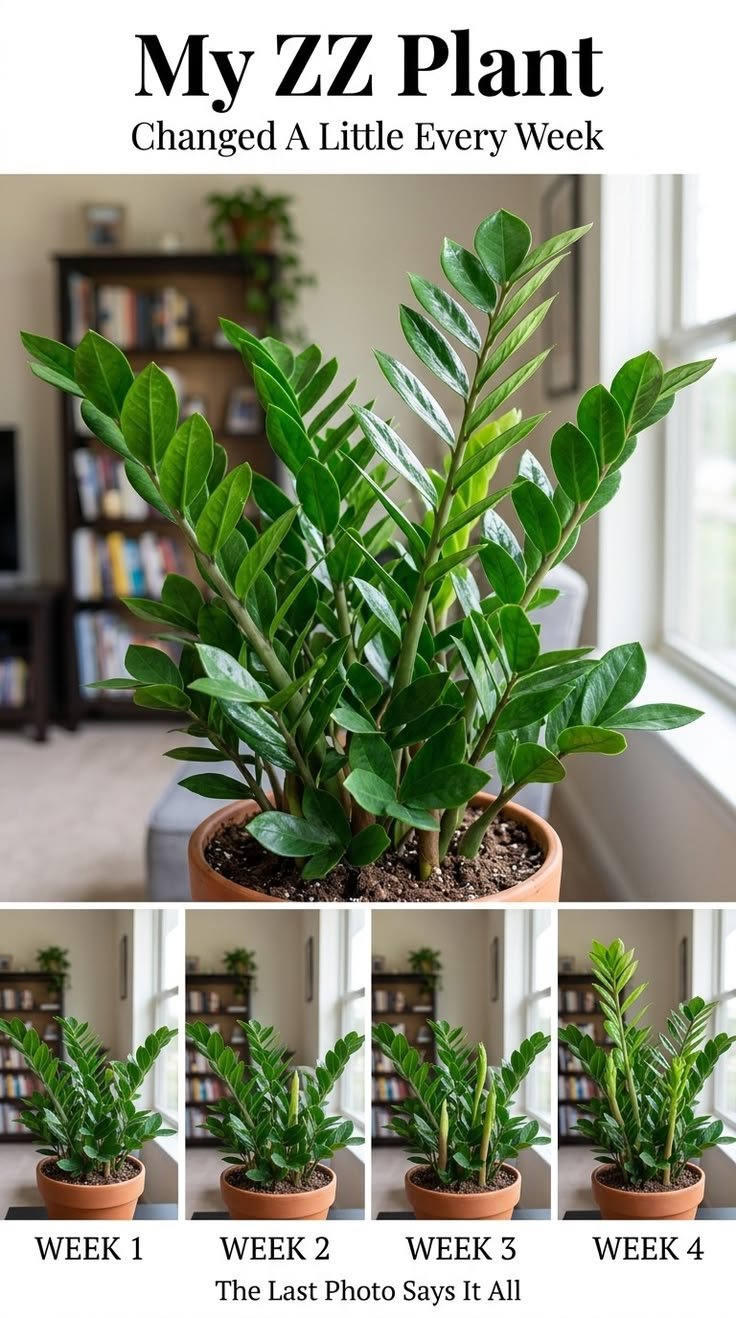
Zz Plant Care: The Complete Guide To Watering, Light, And Rhizome Health
Zz Plant Care: How To Keep The Rhizomes Healthy Below The Soil
The ZZ plant’s reputation for being nearly impossible to kill comes down to what’s happening underground, not what you see above the soil line. Its thick rhizomes store enough water and energy to carry the plant through months of neglect, which also means most ZZ plant problems come from doing too much rather than too little. Here’s how to care for it properly, including what’s actually going on beneath the surface. In 1996, Dutch nurseries began propagating the ZZ plant and distributing plants on a worldwide scale.
- Handles low-light conditions well
- Thrives in indirect light
- Easy to grow with minimal plant care needs (like a well-draining potting soil)
- Low water requirements (can go months without water)
- Tough under indoor conditions with lower light levels
- Drought-tolerant
- Handles neglect well
- Needs little grooming other than keeping dark green leaves clean and dusted.
How Often Should You Water A Zz Plant?
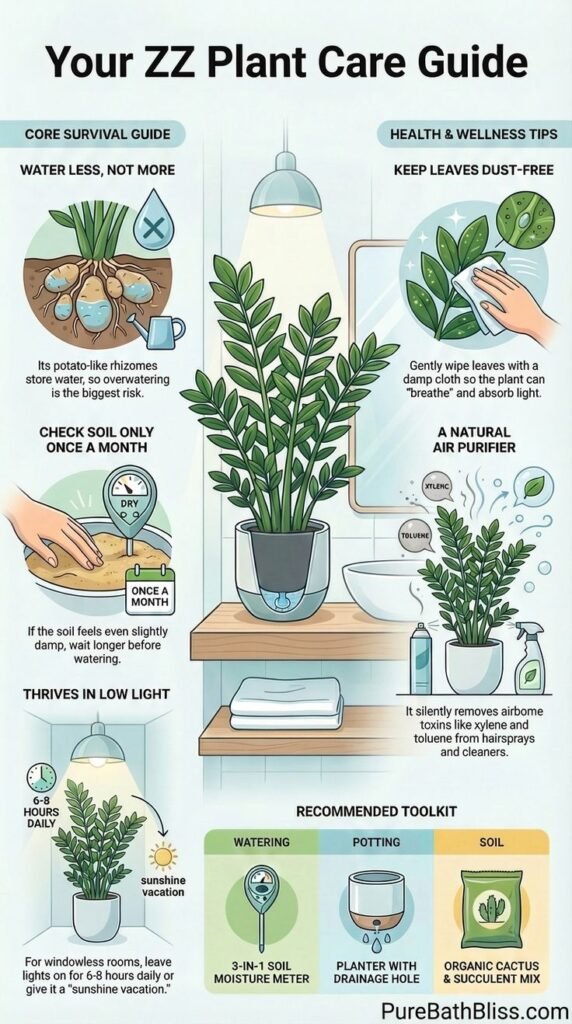
Water a ZZ plant only when the soil is completely dry, which usually means once every two to four weeks in the growing season and even less often in fall and winter. The rhizomes act as underground water reservoirs, similar to a potato, so the plant is drawing on its own stored supply long after the soil has dried out.
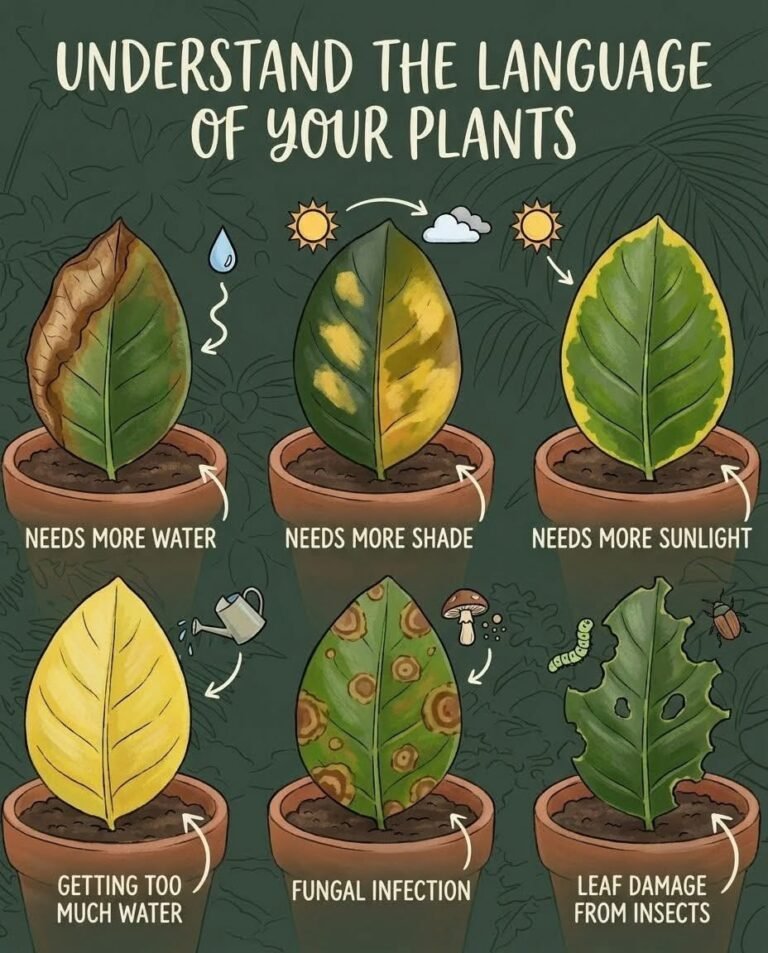
● Underwatered signs: Stems and leaflets shrivel slightly and feel less firm than usual, though this takes weeks of complete neglect to show up.
● Overwatered signs: Yellowing stems, especially near the base, and leaflets that drop off in clusters rather than one at a time.
● Watering method: Soak thoroughly until water drains from the bottom, then don’t water again until the soil is bone-dry. Frequent light watering is worse than a deep soak on a longer interval.
What Light Does A Zz Plant Need To Thrive?
A ZZ plant tolerates low light better than almost any other popular houseplant, which is why it shows up so often in offices and windowless hallways. But tolerating low light and growing well in it are different things. In medium to bright indirect light, a ZZ plant produces new stems more consistently and holds a fuller, glossier look. Direct sun should be avoided, since it can scorch the leaflets and cause pale, bleached patches.
What’s Actually Happening Underground: The Rhizome System
Beneath the soil, a ZZ plant grows thick, potato-like rhizomes that store water and energy reserves. This is the same basic strategy succulents use above ground, except the ZZ plant does it below the surface, which is part of why it copes so well with inconsistent care. The rhizomes evolved in the seasonally dry forests of eastern Africa, where long stretches without rain are normal, so the plant is built to hold onto resources rather than use them steadily.
This is also exactly why overwatering is so damaging. Constant moisture around the rhizomes doesn’t just wet the roots; it rots the plant’s actual storage organs, and by the time you see yellowing leaves above the soil, the damage below has often already started.
Why Did My Zz Plant Stop Growing?
In most cases, it isn’t dying; it’s storing energy. ZZ plants commonly go through stretches of several months with no visible new growth while the rhizomes below the soil build up reserves. As long as the existing stems look firm and glossy, this pause is normal and usually ends with a new stem pushing up through the soil once enough energy has accumulated.
How To Propagate A Zz Plant: Division vs. Leaf Cuttings
● Division: Remove the plant from its pot and gently separate the rhizomes by hand, keeping some roots attached to each section. This is the fastest method and produces a plant with visible growth in weeks rather than months.
●Leaf cuttings: A single leaflet can be rooted in water or soil, but it forms its own tiny rhizome from scratch first, which can take six months to a year before you see any real top growth. It works, but it takes patience.
Is The Zz Plant Toxic? What You Need To Know
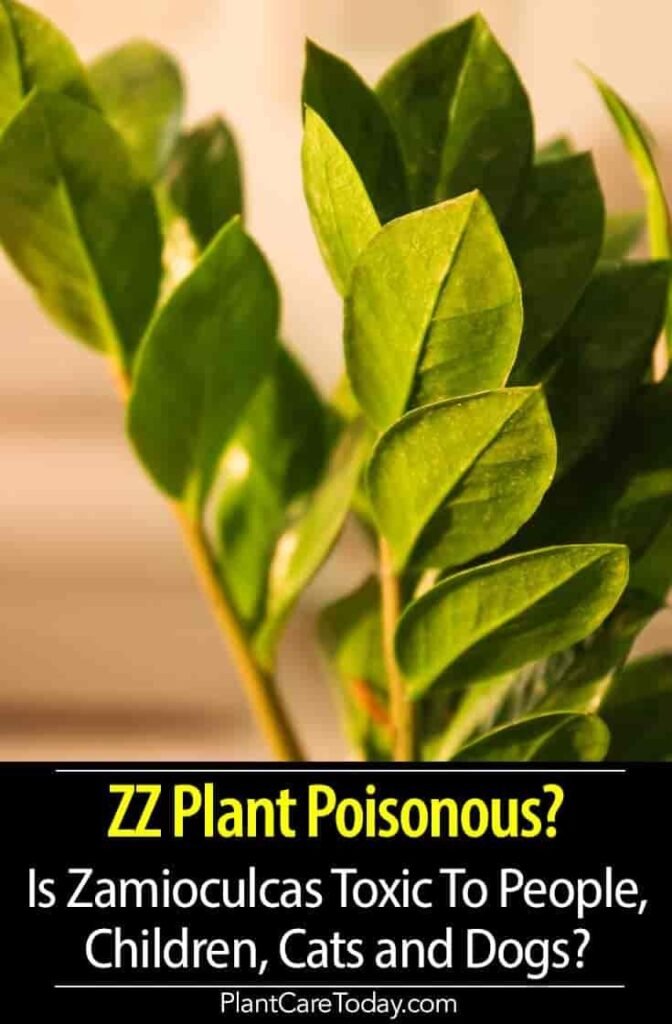
According to sources such as Richard Jauron from the Department of Horticulture at Iowa State University.
“The ZZ plant is regarded as poisonous to humans and pets if ingested.” [source]
The University of Florida shares:
“It’s important to note that all parts of the plant are toxic if ingested.” [source]
The Araceae family gets a bad name for being poisonous, as the plants contain calcium oxalate. Yes, the ZZ plant is toxic if ingested. It contains calcium oxalate crystals that can irritate the mouth, throat, and skin on contact. Keep it away from pets and young children, and it’s worth wearing gloves when dividing or pruning it, since the sap can irritate skin on its own.
What Are Common ZZ-Plant Problems
●Yellow stems near the base: Overwatering. Check the rhizomes for soft, mushy spots and cut away any that are rotting.
●Leaning toward one side: The plant is stretching toward the nearest light source. Rotate the pot regularly or move it closer to a window.
● Small brown spots on leaflets: Usually cosmetic, often from a cold draft or a splash of hard water. Not typically a sign of a serious problem.
The ZZ plant rewards patience more than attention. Once you stop treating it like a typical tropical houseplant and start respecting what those rhizomes are doing underground, it settles into a routine that barely needs you at all.
FAQs
Can A Zz Plant Survive In A Windowless Office?
Yes, for extended periods, though it will grow very slowly and may eventually need a grow light to stay healthy long-term.
How Do I Know If My Zz Plant Is Dying Instead Of Just Dormant?
Check the stems near the soil. Firm, green stems with no new growth usually mean dormancy. Soft, yellow, or mushy stems mean rot, and that needs attention right away.
Do Zz Plants Need Fertilizer?
Only lightly. A diluted feeding once a month during spring and summer is enough. Skip fertilizer entirely in fall and winter, when the plant isn’t actively growing.

One Comment