
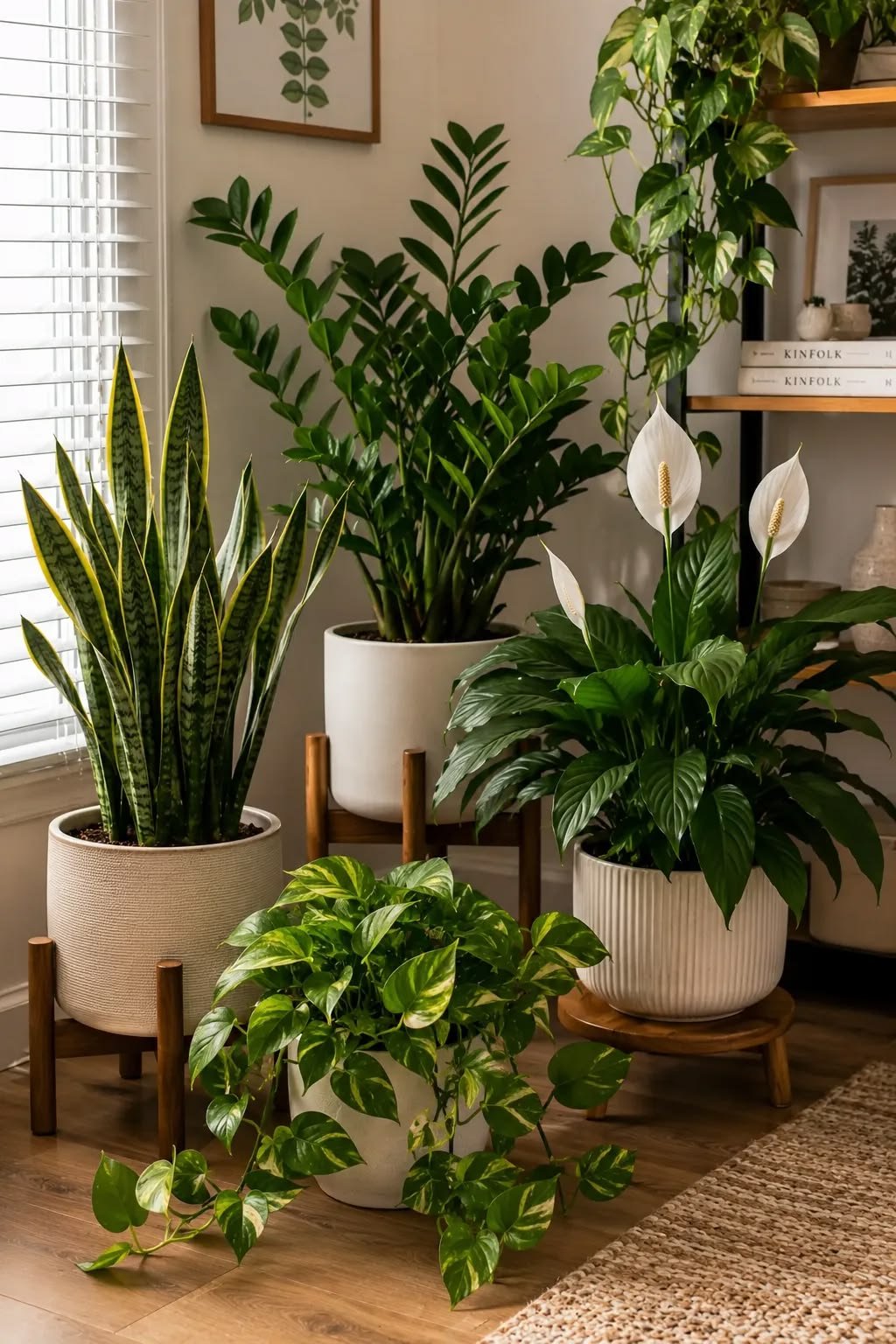
Best Indoor Plants: The Complete Guide To Growing Healthy Houseplants
Indoor plants have become more than just home décor. They bring color, texture, and a sense of calm to living spaces while helping people reconnect with nature. Whether you live in a spacious home or a small apartment, adding greenery indoors can completely transform the atmosphere. A healthy collection of houseplants can make any room feel brighter, more welcoming, and full of life.
The best part is that you don’t need years of gardening experience to grow beautiful indoor plants. Many popular houseplants are easy to care for and adapt well to different indoor environments. The secret to success is choosing plants that match your home’s lighting, humidity, and your daily routine.
This guide covers everything you need to know about selecting the best indoor plants, understanding their care requirements, and avoiding common mistakes. You’ll also learn about important topics like bright indirect light, well-draining soil, root rot, rhizomes, USDA hardiness zones, and why some succulents thrive indoors.
Why Indoor Plants Are Worth Growing
Indoor plants offer much more than visual beauty. They help create relaxing environments, add natural texture to interior spaces, and encourage a healthier connection with nature. Many people find that caring for plants becomes a rewarding hobby that reduces stress and brings a sense of accomplishment.
Plants can also improve the overall appearance of your home by softening hard surfaces and adding vibrant shades of green. Large plants create eye-catching focal points, while smaller plants brighten desks, shelves, and windowsills. Whether your decorating style is modern, rustic, or minimalist, there is an indoor plant to match your space.
Growing houseplants also teaches you to observe natural changes. You begin noticing how light shifts throughout the day, how quickly soil dries, and how seasonal temperature changes affect plant growth. This understanding helps you become a more confident plant owner over time.
Another advantage is variety. There are thousands of indoor plants available, ranging from tropical foliage plants to flowering species and drought-tolerant succulents. Some are perfect for beginners, while others reward experienced gardeners with unique leaves and spectacular blooms.
How To Choose The Best Indoor Plants
Selecting the right indoor plant is one of the most important decisions you’ll make. Instead of choosing a plant based only on its appearance, consider how well it matches your home’s environment and your lifestyle.
Consider Your Light
Light is one of the biggest factors affecting plant growth. Most popular houseplants prefer bright indirect light, which means they receive plenty of natural light without direct afternoon sun hitting their leaves. A location near an east-facing window or several feet from a bright south-facing window usually provides ideal conditions.
If your home receives limited sunlight, don’t worry. Several species thrive in low-light environments, including Snake Plant, ZZ Plant, and Chinese Evergreen. Understanding your home’s lighting conditions before purchasing plants helps prevent future problems.
Think About Your Schedule
Some plants require frequent attention, while others tolerate occasional neglect. Busy homeowners often succeed with low-maintenance varieties such as Snake Plant, Pothos, and ZZ plants because they require less frequent watering and adapt well to changing indoor conditions.
Consider Pets and Children
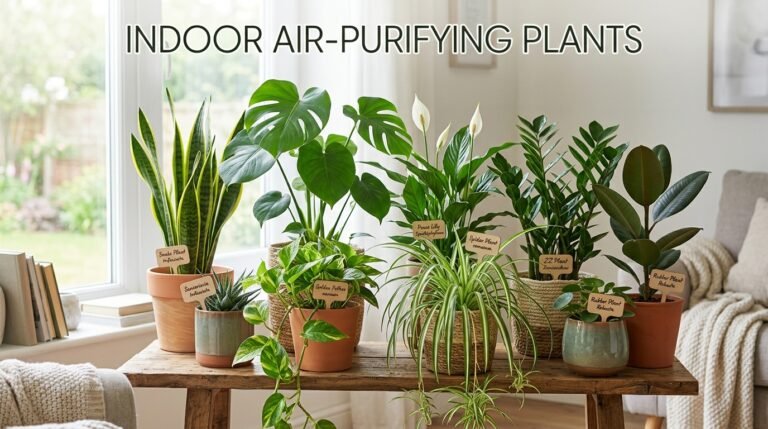
If you have curious pets or young children, always check whether a plant is considered safe. Some beautiful houseplants contain compounds that may be toxic if ingested. Pet-friendly options include Spider Plant, Calathea, Prayer Plant, and Parlor Palm.
What Are The Top 10 Best Indoor Plants?
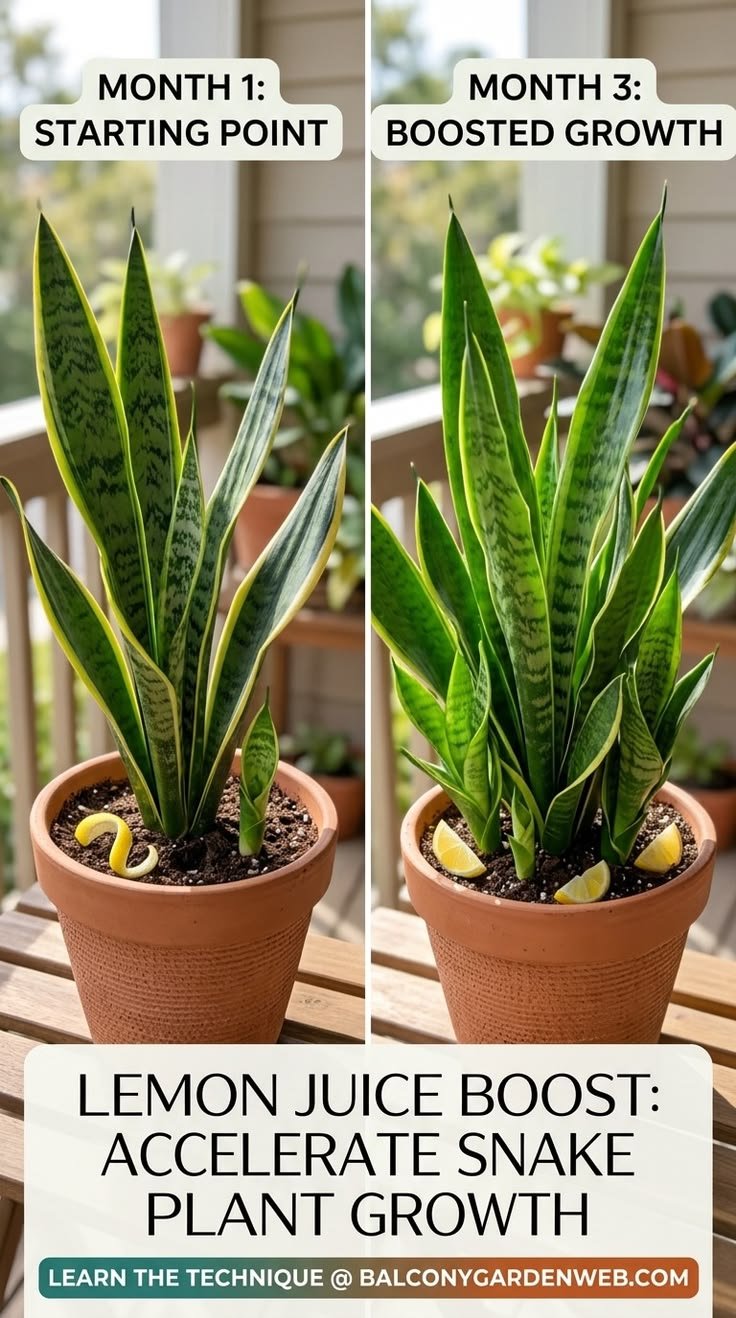
1. Snake Plant (Dracaena trifasciata)
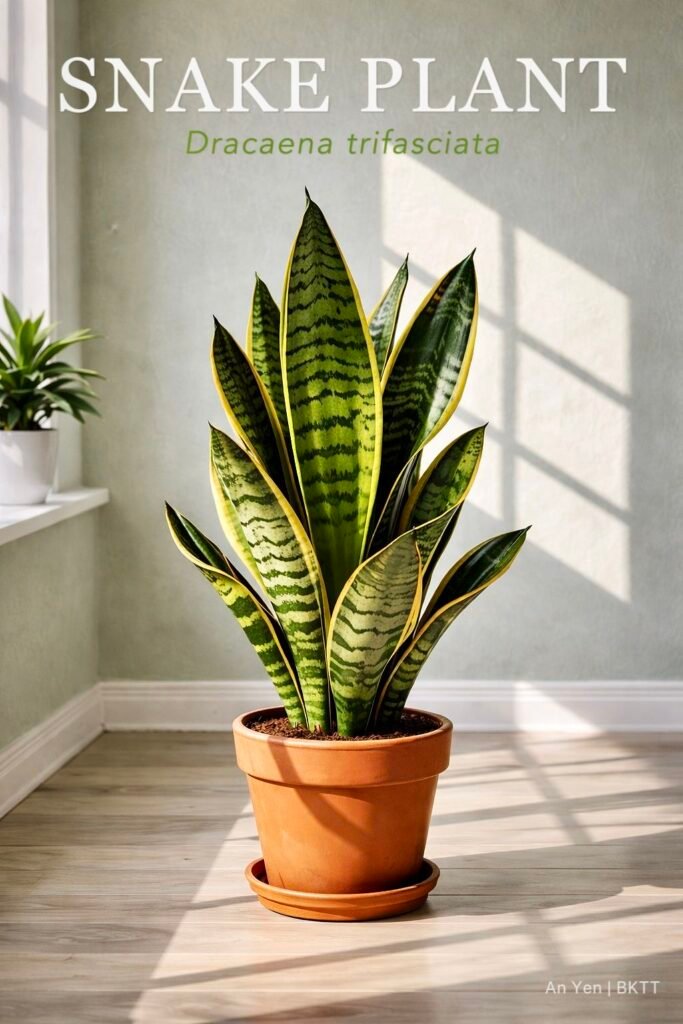
The Snake Plant is widely considered one of the easiest houseplants to grow. Previously classified under the Sansevieria genus, it is now scientifically known as Dracaena trifasciata. Its upright sword-shaped leaves make it an attractive addition to almost any room.
This plant is extremely forgiving and survives occasional missed waterings. It performs well in both bright and low-light conditions, making it ideal for beginners.
Care Tips
- Light: Bright indirect light to low light
- Water: Every 2–4 weeks
- Soil: Well-draining cactus or succulent mix
- Common Issue: Root rot caused by overwatering
2. Pothos
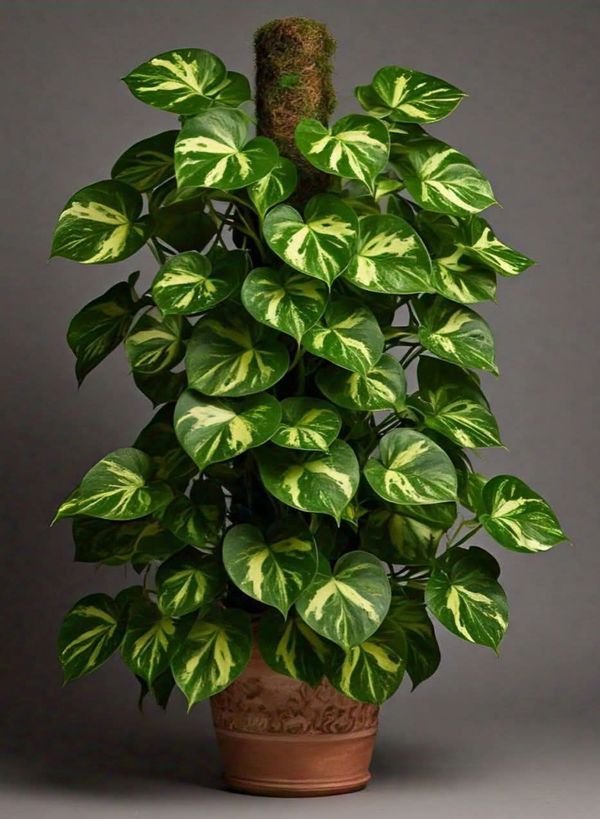
Pothos is famous for its fast-growing trailing vines and heart-shaped leaves. It adapts well to different indoor environments and is one of the easiest plants to propagate from stem cuttings.
Pothos tolerates moderate neglect and continues growing even under average household conditions. Its cascading vines make it perfect for hanging baskets and high shelves.
Care Tips
- Bright indirect light is ideal
- Allow soil to partially dry before watering
- Trim vines regularly to encourage fuller growth
3. ZZ Plant
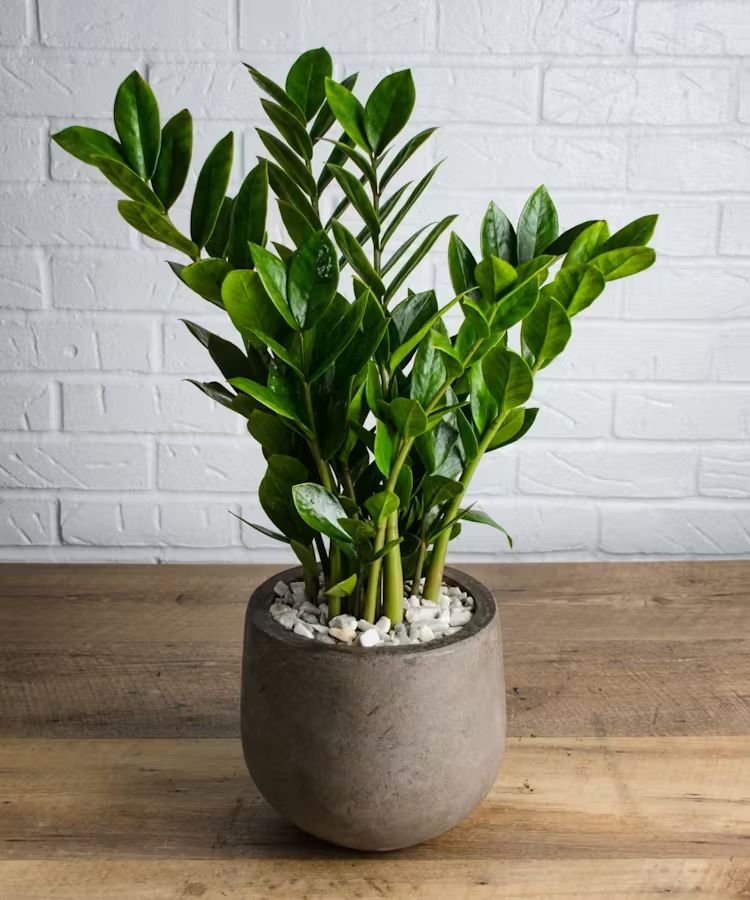
The ZZ Plant is another excellent choice for beginners. It grows from underground rhizomes, which store water and nutrients. These rhizomes allow the plant to survive longer periods without watering.
Its glossy dark green leaves add elegance to offices and homes while requiring very little maintenance.
Care Tips
- Thrives in low to bright indirect light
- Water only when soil becomes dry
- Plant in well-draining soil
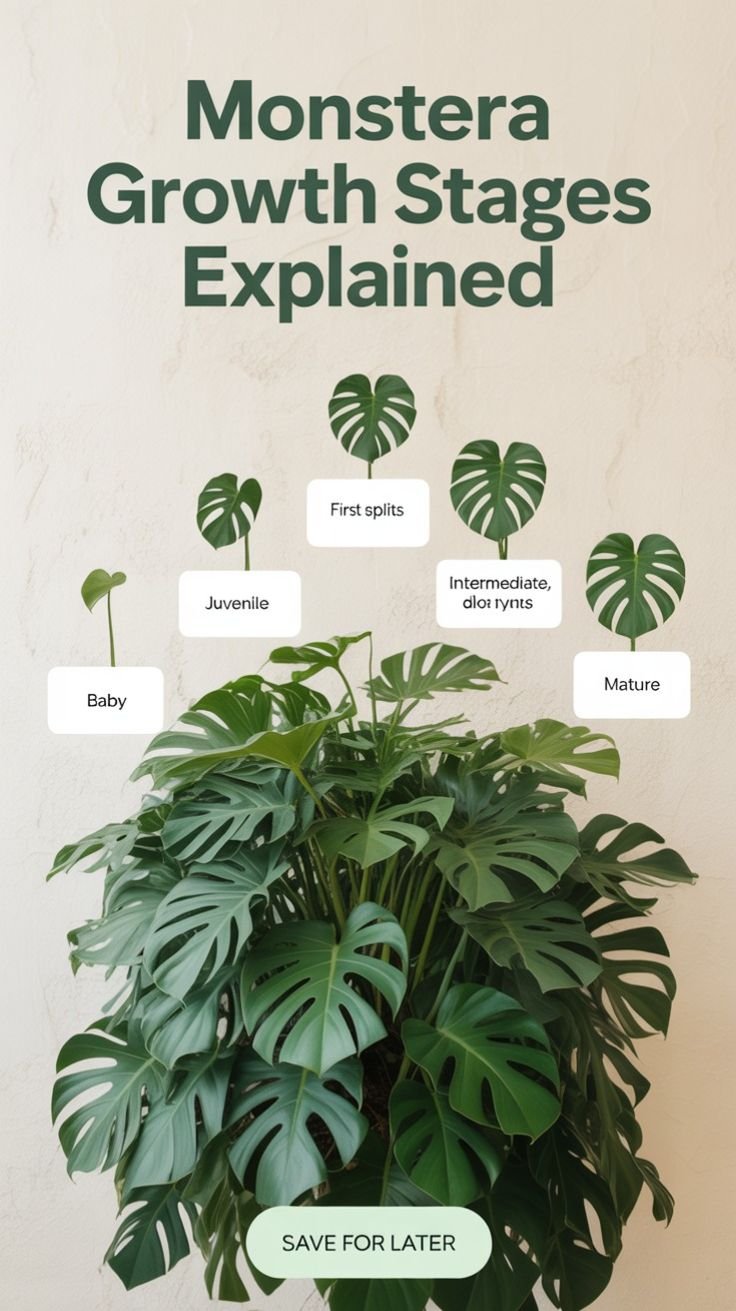
4. Monstera Deliciosa
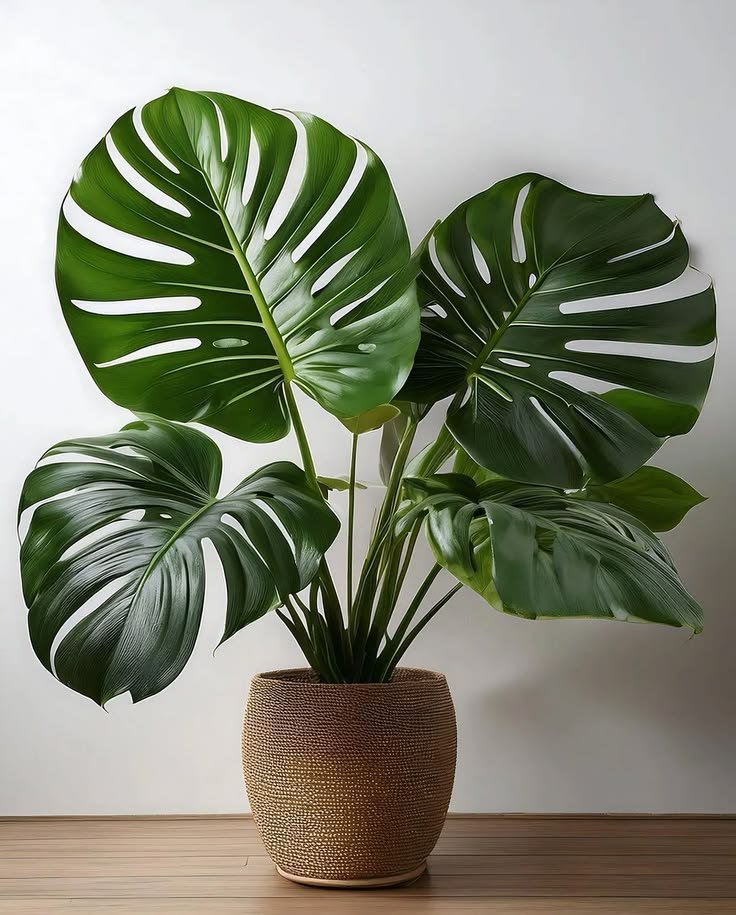
Monstera is admired for its large split leaves that instantly create a tropical atmosphere indoors. As the plant matures, its leaves develop dramatic natural openings known as fenestrations.
Monsteras appreciate consistent moisture but dislike soggy soil. A moss pole provides additional support for climbing stems.
5. Spider Plant
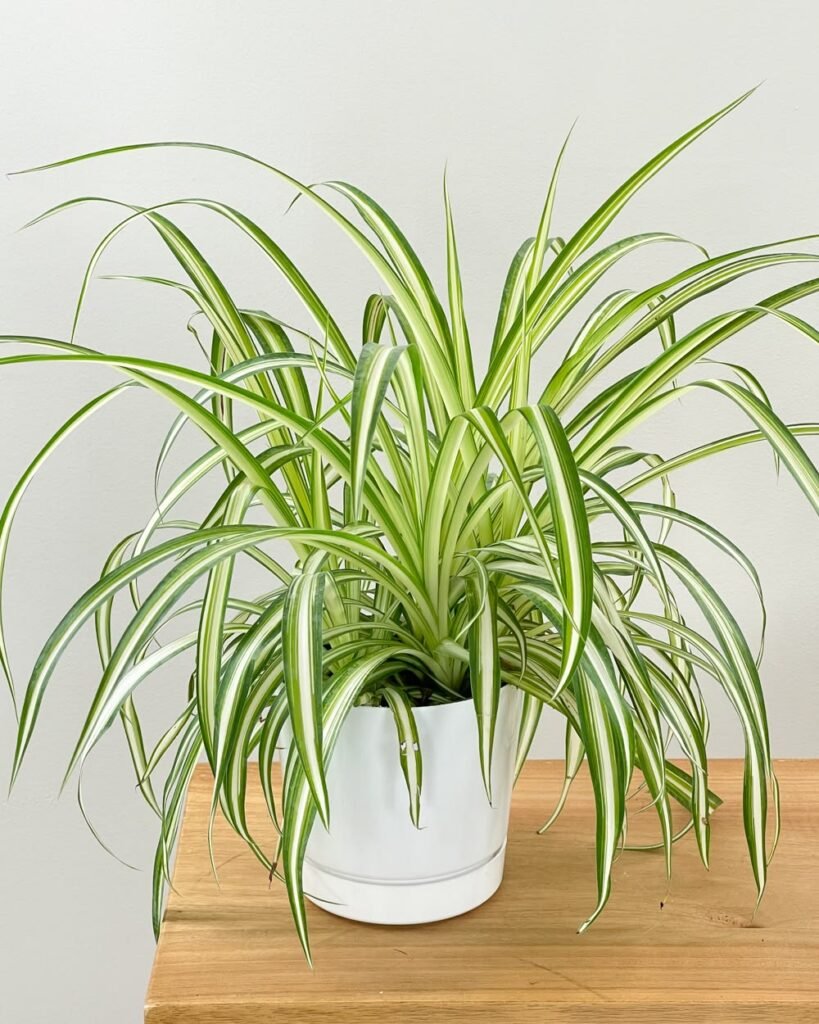
Spider Plants are easy to grow and produce long, arching leaves with baby plantlets that can be propagated into new plants. They are also considered one of the safest choices for homes with pets.
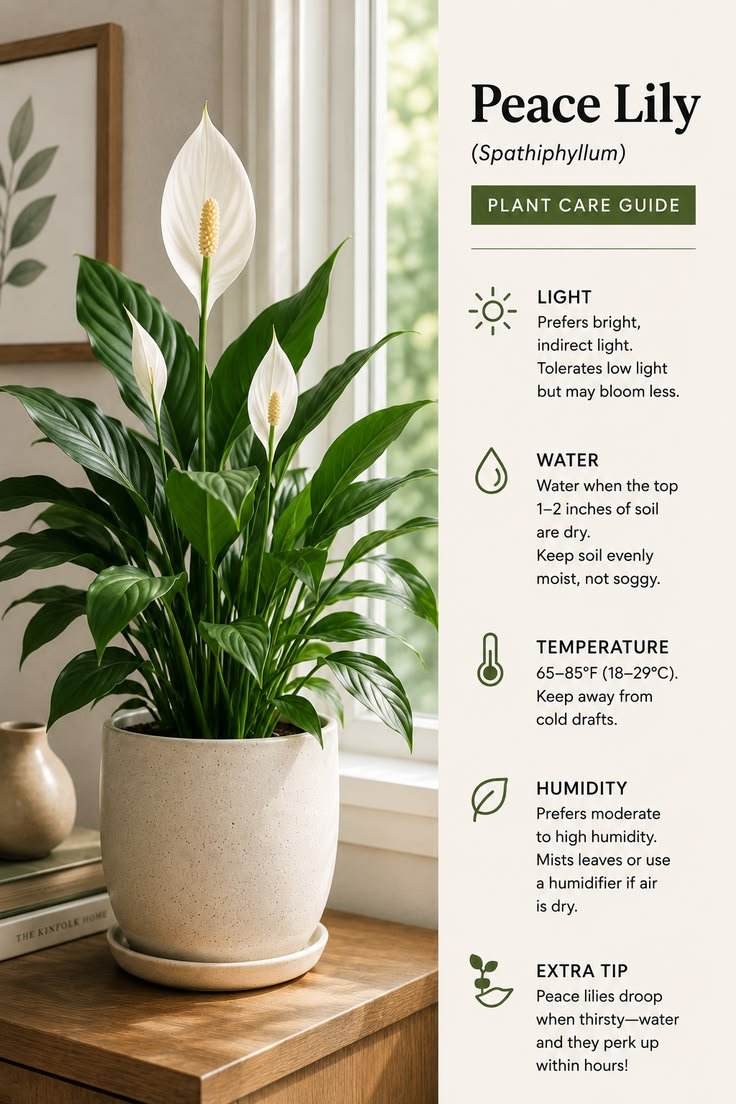
6. Peace Lily
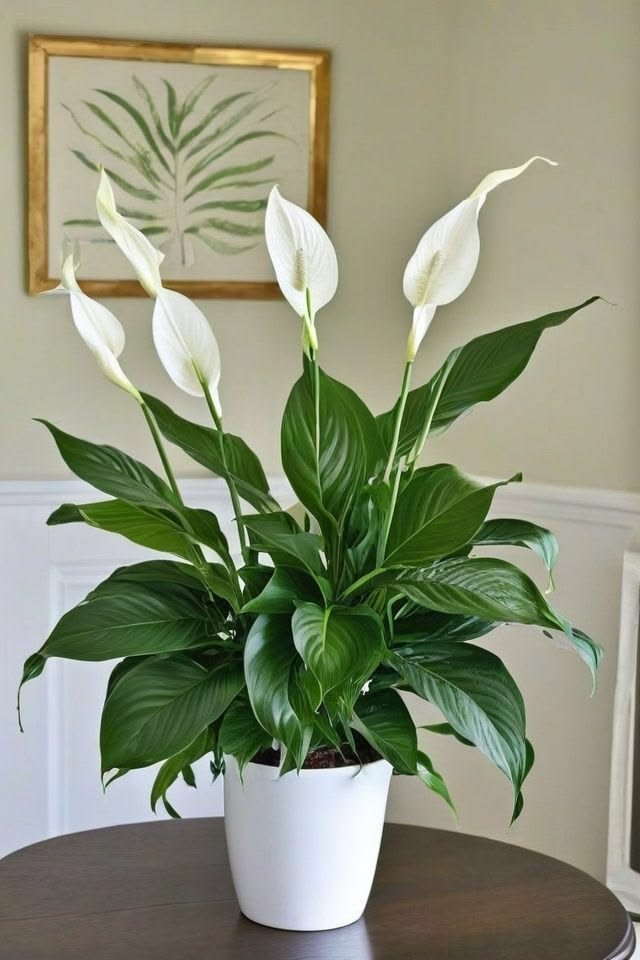
Peace Lilies are known for their glossy leaves and elegant white flowers. They prefer slightly moist soil and moderate humidity. When thirsty, their leaves often droop, making it easy to know when watering is needed.
7. Rubber Plant
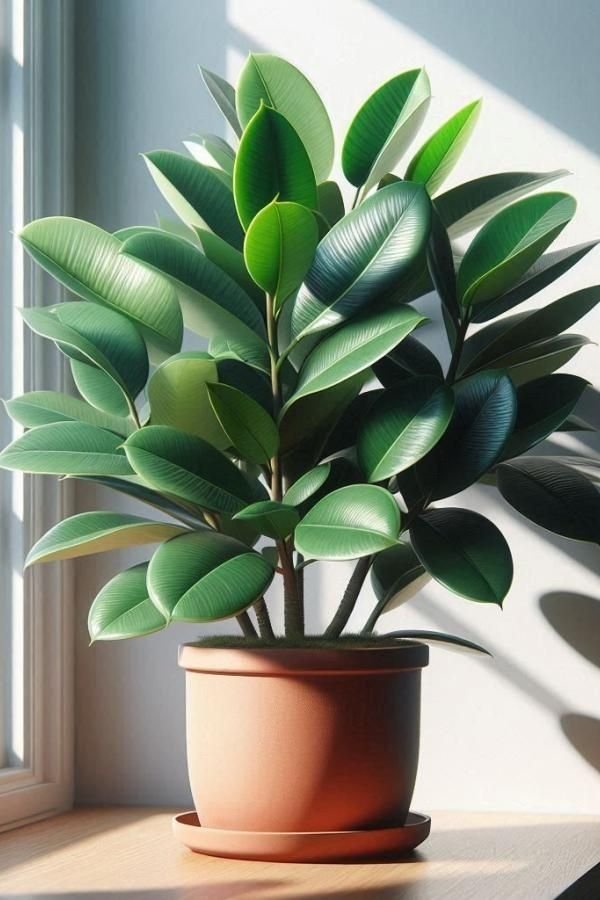
Rubber Plants develop thick glossy leaves and can grow into impressive indoor trees with proper care. They perform best near bright windows but should be protected from harsh afternoon sunlight.
8. Chinese Evergreen
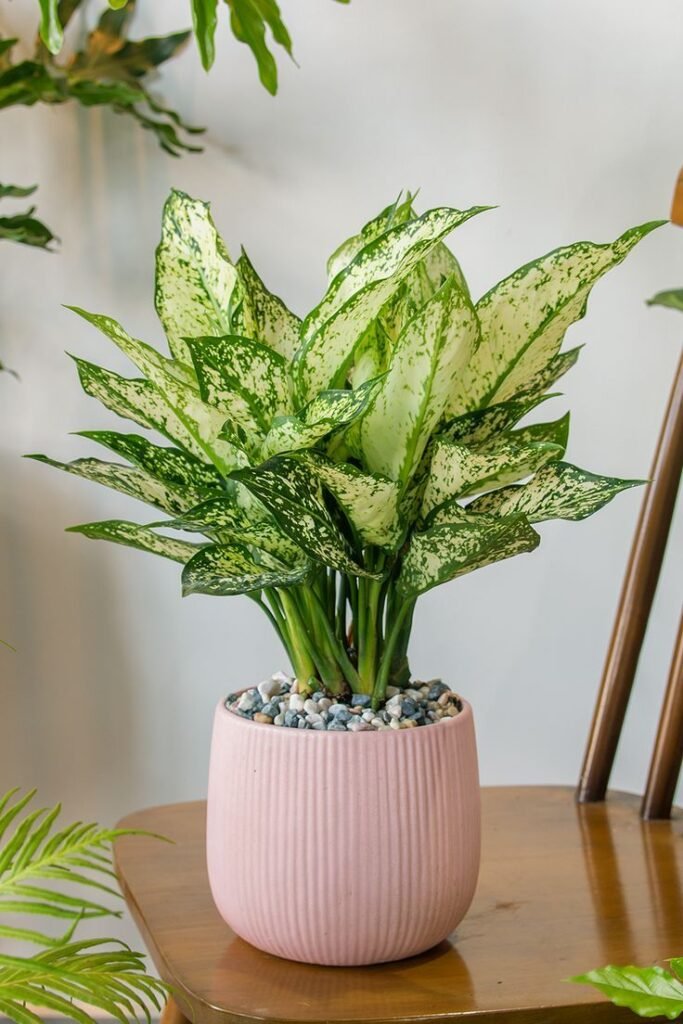
Chinese Evergreen is appreciated for its colorful foliage and exceptional tolerance of indoor conditions. It grows steadily even in rooms with lower light levels.
9. Aloe Vera
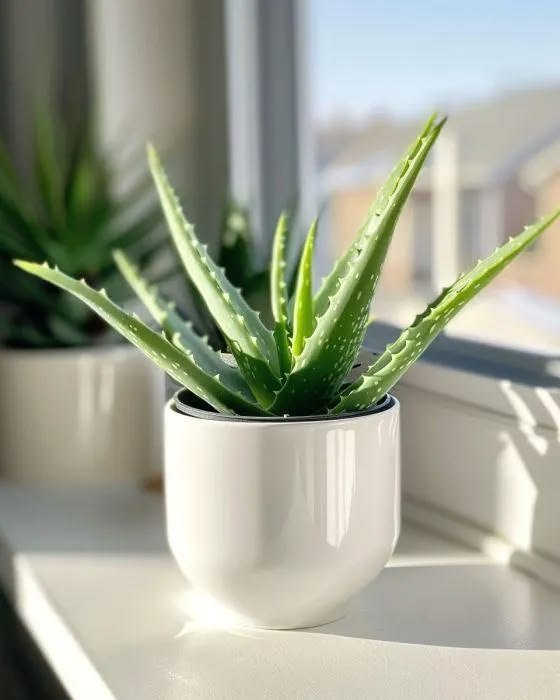
Aloe Vera is one of the most popular indoor succulents. Its thick leaves store water, making it drought-tolerant and perfect for people who occasionally forget to water.
10. Philodendron
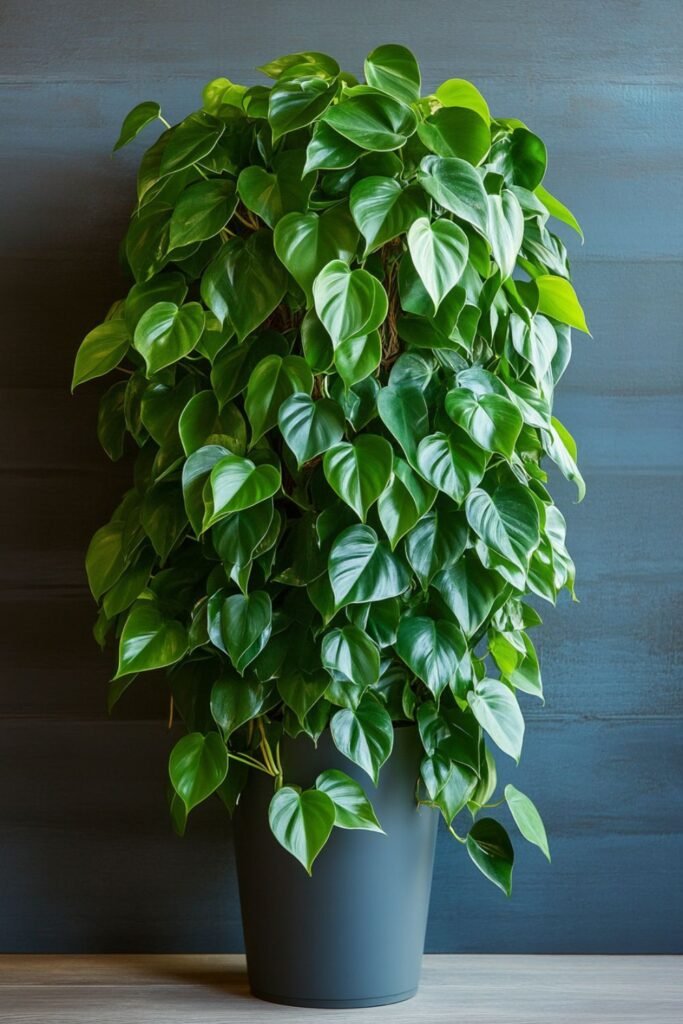
Philodendrons come in climbing and upright varieties, making them suitable for almost any indoor space. Their attractive foliage and easy-care nature make them a favorite among plant enthusiasts.
Understanding Light Requirements
One of the most common reasons indoor plants struggle is incorrect lighting. Every plant uses sunlight to produce energy through photosynthesis, but different species require different amounts of light. Understanding your home’s natural lighting is the first step toward keeping plants healthy.
Most tropical houseplants prefer bright indirect light because it closely resembles the filtered sunlight they receive beneath forest canopies in nature. Direct afternoon sunlight can scorch delicate leaves, causing brown patches or faded colors. On the other hand, placing light-loving plants in dark corners may result in slow growth, small leaves, and leggy stems.
If your home lacks sufficient natural light, consider rotating plants closer to windows periodically or supplementing with LED grow lights. Regularly cleaning dust from leaves also improves light absorption and keeps foliage looking healthy.
Watering Indoor Plants The Right Way
Watering is one of the most important aspects of indoor plant care, yet it’s also where many beginners make mistakes. While it’s easy to assume plants need frequent watering, most indoor plants suffer more from overwatering than underwatering. The key is to understand your plant’s needs rather than watering on a fixed schedule.
Before adding water, check the soil with your finger. If the top 1–2 inches feel dry, it’s usually time to water for many tropical houseplants. Succulents and cacti, however, prefer the soil to dry almost completely between waterings because they store moisture in their leaves and stems.
The type of pot also affects watering. Terracotta pots dry out faster than plastic or glazed ceramic containers because they are porous. Homes with warm temperatures, air conditioning, or heating systems may also require more frequent watering than humid environments.
What are the Signs Your Plant Needs Water
- Dry soil several inches below the surface
- Drooping or limp leaves
- Slow growth
- Crispy brown leaf edges
What are the Signs Of Overwatering
- Yellow leaves
- Mushy stems
- Soil staying wet for several days
- Foul smell from the pot
- Fungus gnats around the soil
Always water thoroughly until excess water drains from the bottom of the pot. Empty saucers afterward so roots don’t sit in standing water.
Choosing The Best Soil For Indoor Plants
Healthy roots begin with healthy soil. The best indoor plants grow in well-draining soil that holds enough moisture for the roots while allowing excess water to escape easily. Poor soil can lead to compacted roots, slow growth, and serious diseases like root rot.
A quality indoor potting mix usually contains ingredients such as:
- Coco coir for moisture retention
- Perlite for aeration
- Pine bark to improve drainage
- Compost or organic matter for nutrients
- Peat moss (or sustainable alternatives) for water retention
Different plants have different soil needs. For example, succulents and cacti thrive in sandy, fast-draining mixes, while tropical plants such as Monstera and Peace Lily prefer a richer mix that retains some moisture without becoming soggy.
Avoid using garden soil indoors. It often compacts in containers, drains poorly, and may introduce pests, weed seeds, or diseases.
Tips for Better Soil Health
- Repot plants every 1–3 years to refresh the potting mix.
- Ensure pots have drainage holes.
- Avoid compacting the soil when planting.
- Replace old, broken-down soil with fresh mix to improve aeration.
Understanding Root Rot And How To Prevent It
One of the most common reasons indoor plants decline is root rot. This condition occurs when roots remain in overly wet soil for long periods, allowing fungi and bacteria to damage the root system. Once the roots begin to rot, they cannot absorb water or nutrients effectively, causing the entire plant to weaken.
Symptoms Of Root Rot
- Yellow or wilting leaves
- Black, mushy roots
- Soft stems
- Stunted growth
- Unpleasant odor from the potting mix
Many people mistakenly water the plant even more when they notice wilting, which makes the problem worse.
How To Prevent Root Rot
- Use well-draining soil.
- Choose containers with drainage holes.
- Allow soil to dry slightly between waterings.
- Never leave pots standing in water.
- Repot plants if the soil remains constantly wet.
If root rot develops, remove the plant from its container, trim away damaged roots with sterilized scissors, and repot it in fresh potting mix.
Fertilizing Indoor Plants
Indoor plants rely on nutrients to produce healthy leaves, flowers, and roots. While potting soil provides some nutrients initially, these become depleted over time. Fertilizing helps replace them and supports steady growth.
Most houseplants benefit from feeding during the active growing season, which is usually spring and summer. A balanced liquid fertilizer diluted according to the manufacturer’s instructions works well for many species.
Avoid over-fertilizing, as excessive nutrients can burn roots and damage leaves. During autumn and winter, many indoor plants naturally slow their growth and require little or no fertilizer.
Fertilizing Tips
- Feed every 4–6 weeks during active growth.
- Water the plant before applying fertilizer.
- Reduce feeding during winter.
- Flush the soil occasionally to remove excess salts.
What Are USDA Hardiness Zones?
You may notice plant labels mentioning USDA hardiness zones. These zones describe the average minimum winter temperatures where plants can survive outdoors. They are useful for gardeners growing plants outside, but they can also help indoor plant owners understand whether a plant can spend part of the year outdoors.
For example, many tropical houseplants are only hardy in warm climates and cannot survive freezing temperatures. If you move plants outdoors during summer, always bring them back inside before temperatures drop below their preferred range.
Although hardiness zones matter for outdoor gardening, indoor conditions such as light, humidity, watering, and temperature are much more important for houseplants.
Match The Plant To Your Space
Large statement plants like Monstera or Rubber Plant work well in living rooms, while compact varieties fit comfortably on office desks, bookshelves, and kitchen counters. Choosing the right size helps create a balanced indoor garden.
1. Indoor Plants For Small Bedrooms: What Actually Helps You Sleep Better
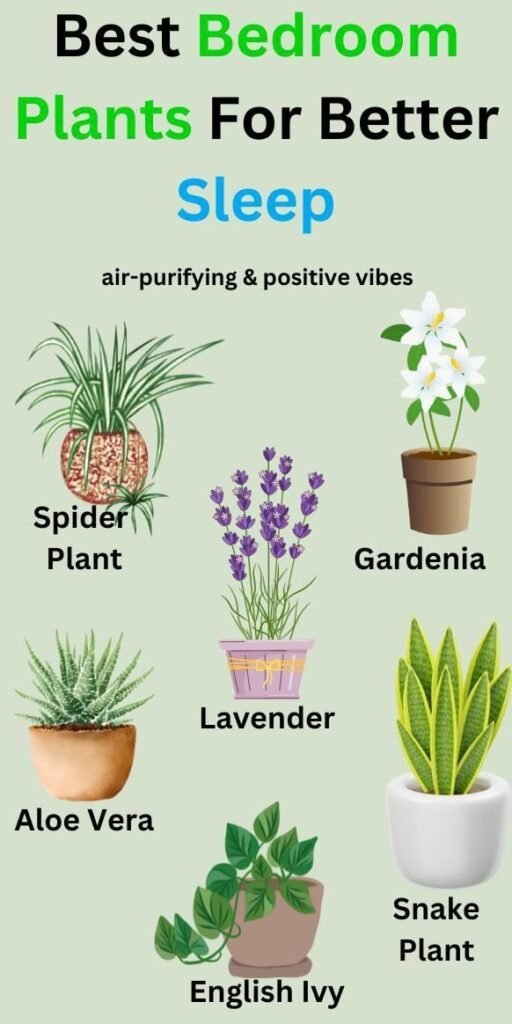
Most posts overinflate the air-purifying angle. This one could separate fact from marketing myth (NASA study limits and CO₂ vs. O₂ exchange at night) and then recommend a tight list: Snake Plant, lavender, and Peace Lily. Unique because it ties plant choice to a specific room and outcome instead of the whole house.
2. Bathroom Plants That Actually Survive Steam And Low Light
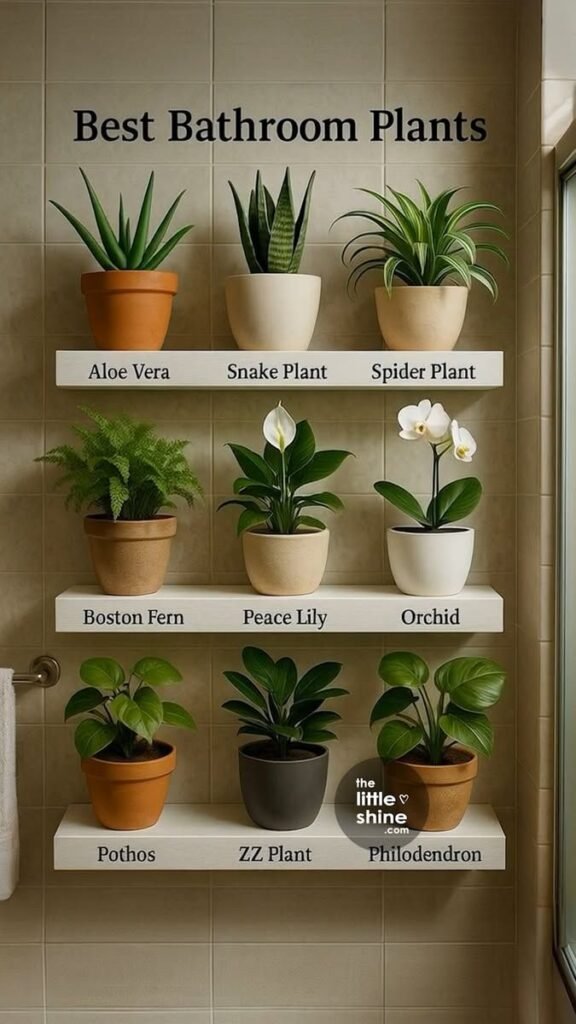
A sub-niche almost nobody covers well. Bathrooms have a weird combo of high humidity, low light, and temperature swings. You could cover Pothos, Boston Fern, and Bird’s Nest Fern and explain why regular houseplants often rot in this environment specifically.
3. How To Bring Outdoor Plants Indoors For Winter (Without Killing Them)
Seasonal, practical, and tied into your USDA hardiness zone mention from the last post. Covers the transition process: pest checks, light acclimation, watering adjustment. This is a real pain point people search for every fall.
4. Desk Plants That Survive Fluorescent Office Light And Forgetful Owners
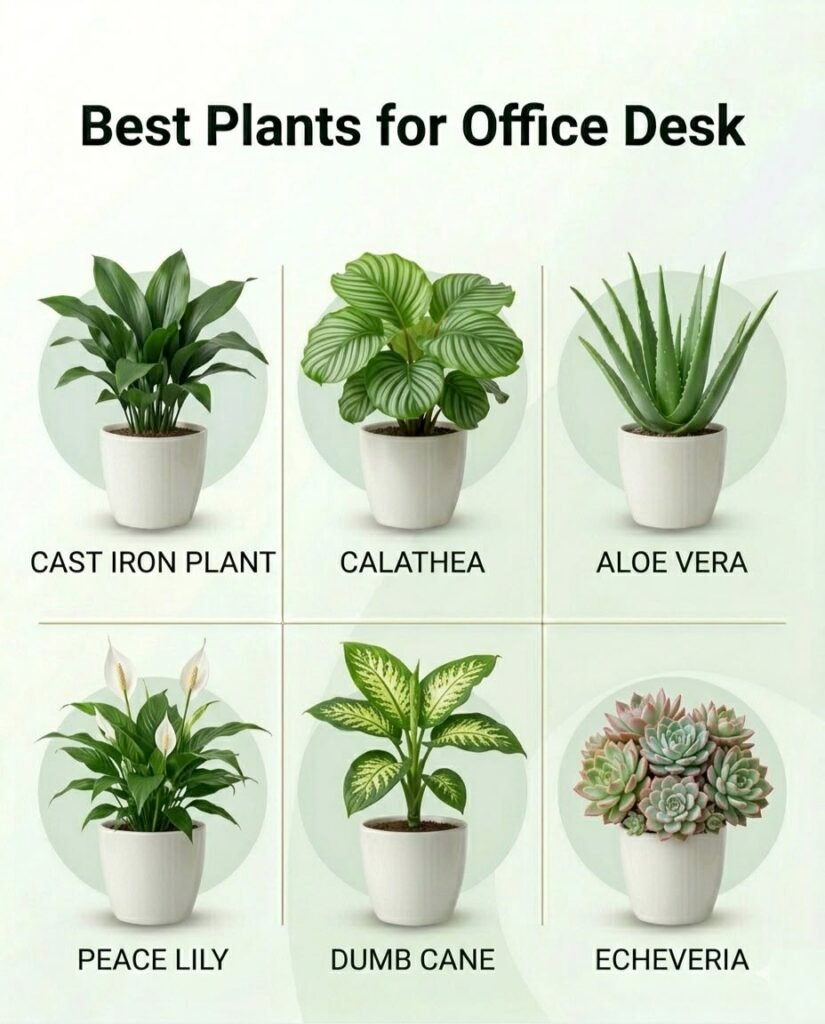
A workplace-specific angle. Office lighting is a different beast than home windows. ZZ Plant, Pothos, and Cast Iron Plant hold up; most flowering plants don’t. Good for readers who work in offices or WFH setups with poor natural light.
5. Why Your Plant’s New Leaves Are Smaller Than The Old Ones (And How To Fix It)
A diagnostic-style post targeting one very specific, underserved search: leaf size shrinking over time. Usually caused by light deficiency, rootbound pots, or nutrient depletion. This kind of hyper-specific troubleshooting content tends to rank well because there’s little competition.
Common Indoor Plant Problems
Even healthy indoor plants may occasionally experience problems. Learning to identify symptoms early allows you to correct issues before they become serious.
Yellow Leaves
Yellow leaves are often caused by overwatering, poor drainage, or natural aging. Check soil moisture before watering again.
Brown Leaf Tips
Dry indoor air, inconsistent watering, or excess fertilizer can cause brown tips. Increasing humidity and watering consistently usually helps.
Leggy Growth
Plants that stretch toward the light are often not receiving enough sunlight. Move them closer to a bright window with bright indirect light.
Drooping Leaves
Drooping may indicate underwatering, overwatering, or sudden temperature changes. Always check the soil before deciding how to respond.
Pests
Common indoor plant pests include:
- Spider mites
- Mealybugs
- Scale insects
- Fungus gnats
- Aphids
Inspect leaves regularly, especially the undersides, and isolate affected plants to prevent pests from spreading.
Grow Indoor Plants Now And Make Your Space Peaceful.
Indoor plants bring beauty, freshness, and a sense of tranquility to any home. Whether you’re just starting your plant journey or expanding an existing collection, success comes from understanding each plant’s basic needs. Providing the right amount of light, watering carefully, choosing well-draining soil, and preventing problems like root rot will help your plants thrive year after year.
Start with easy-care favorites such as Dracaena trifasciata (Snake Plant), Pothos, or ZZ Plant, then gradually explore more varieties as your confidence grows. With patience, observation, and consistent care, you can build a thriving indoor garden that enhances both your home and your well-being.
Frequently Asked Questions
What is the easiest indoor plant to grow?
The snake plant (Dracaena trifasciata), Pothos, and ZZ Plant are among the easiest indoor plants because they tolerate a wide range of indoor conditions and require minimal maintenance.
Which indoor plants grow well in low light?
The snake plant, ZZ Plant, Chinese Evergreen, Cast Iron Plant, and Peace Lily perform well in areas with limited natural light.
How often should I water indoor plants?
Most indoor plants should be watered when the top 1–2 inches of soil become dry. Always check the soil rather than following a strict watering schedule.
What type of soil is best for indoor plants?
A high-quality well-draining soil containing ingredients like perlite, coco coir, bark, and compost is suitable for most houseplants.
Why are my indoor plant leaves turning yellow?
Yellow leaves are commonly caused by overwatering, poor drainage, insufficient light, nutrient deficiencies, or natural aging.
Are succulents good indoor plants?
Yes. Succulents are excellent indoor plants because they store water in their leaves and require less frequent watering than many tropical plants. They grow best in bright light and fast-draining soil.
What are rhizomes?
Rhizomes are underground stems that store water and nutrients. Plants such as the ZZ Plant use rhizomes to survive periods of drought and produce new growth.
Can I grow tropical plants indoors?
Yes. Many tropical plants, including Monstera, Philodendron, Peace Lily, and Pothos, adapt well to indoor environments when provided with bright indirect light, moderate humidity, and proper watering.
One Comment