
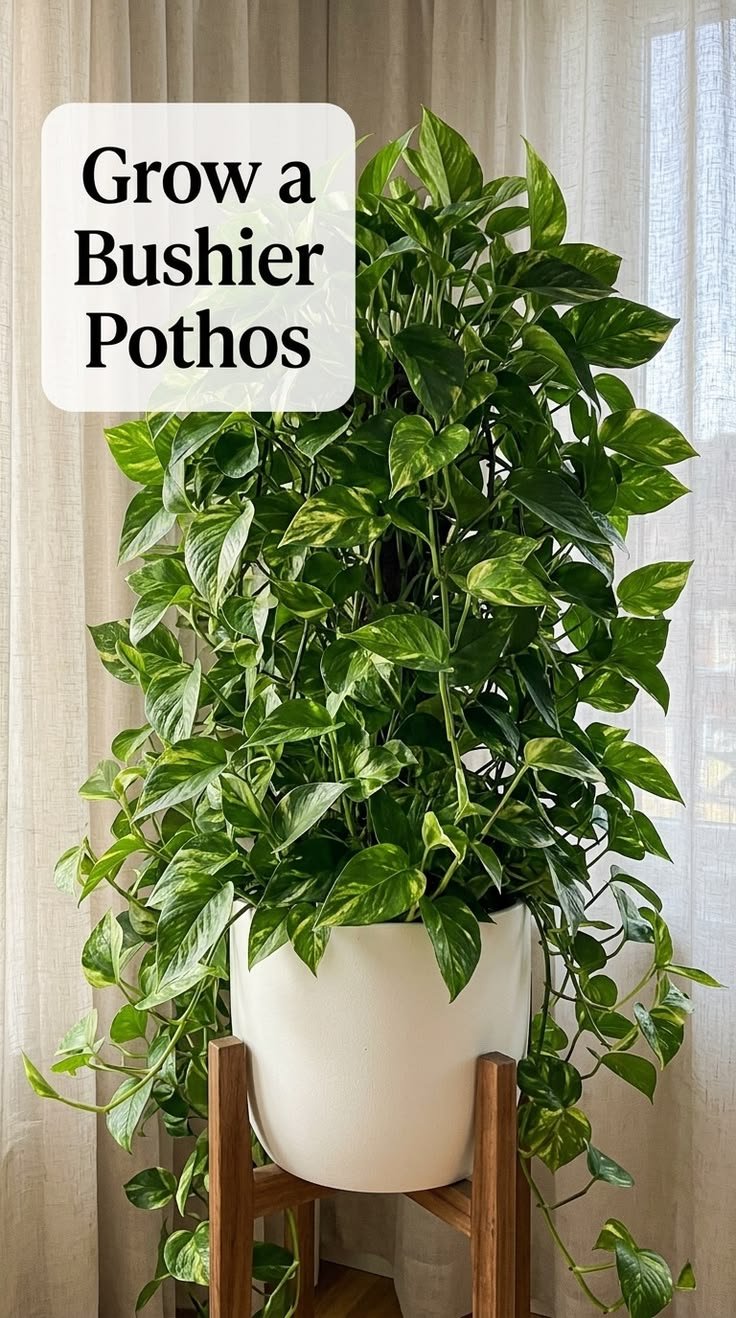
Pothos Care: How To Grow A Fuller, Healthier Vine
Pothos earned its reputation as an unkillable houseplant honestly, but there’s a real gap between a pothos that’s merely surviving in a dim corner and one that’s actually thriving with full, glossy leaves and vines that fill out a shelf. The difference comes down to a handful of details that most quick-tip lists skip over. Here’s what pothos actually needs, plus what’s happening with those leaves as the plant matures.
How Often Should You Water Pothos?
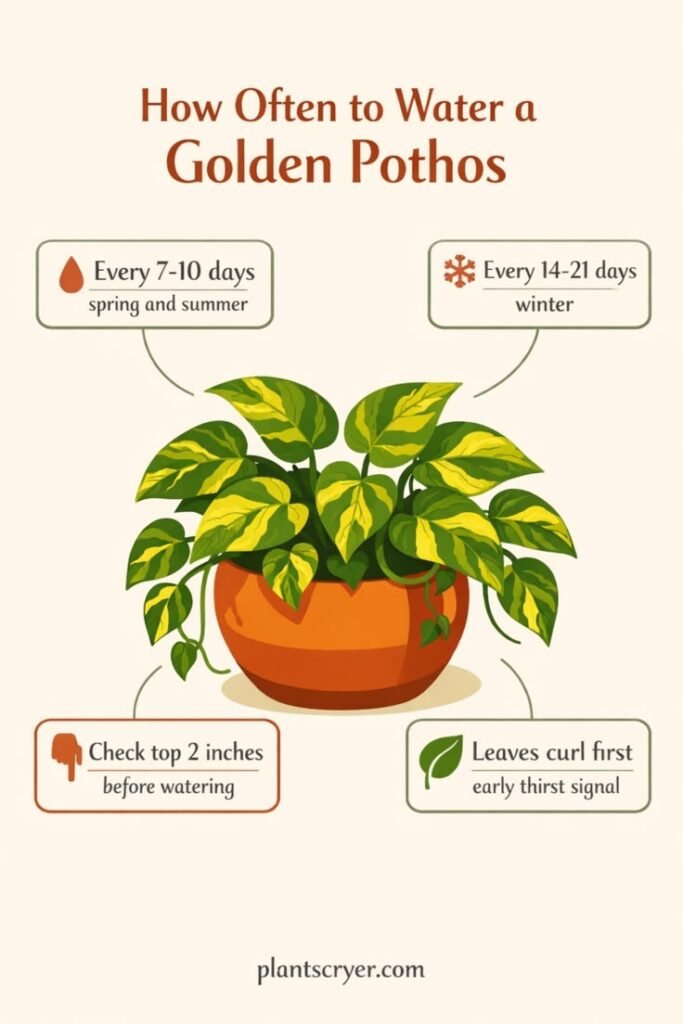
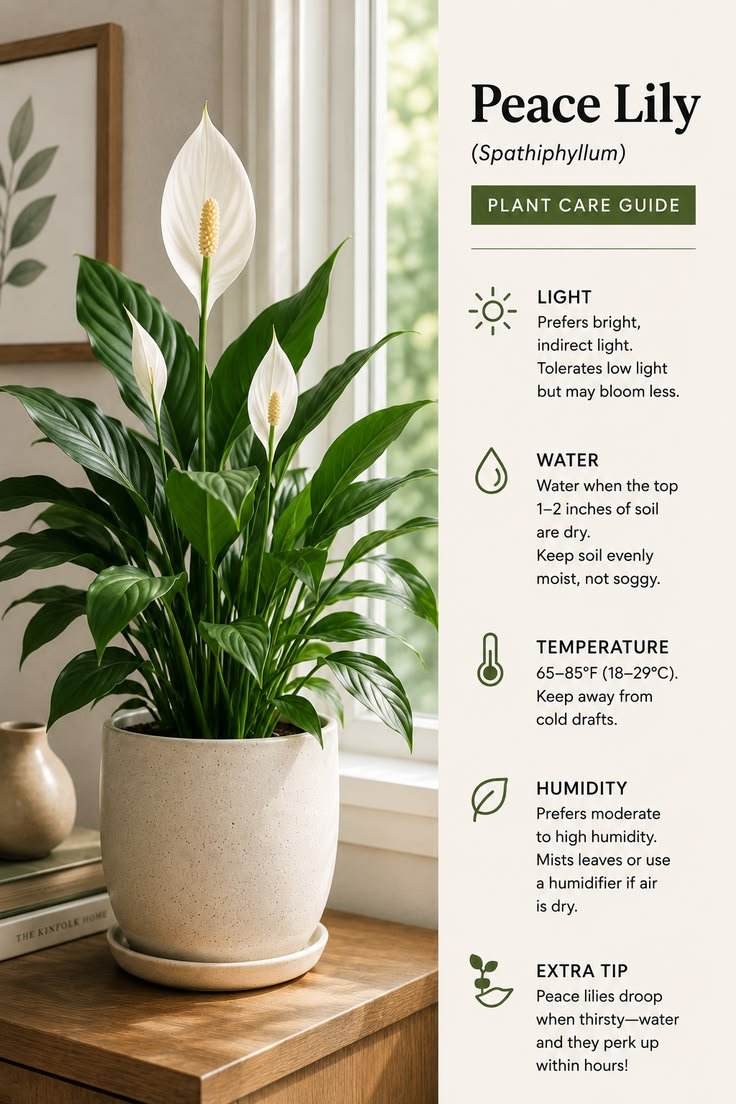
Water pothos when the top one to two inches of soil feel dry, which typically lands somewhere between seven and fourteen days depending on light, pot size, and the season. Pothos is native to tropical forest floors, where it experiences wet and dry cycles rather than constant moisture, so letting the soil dry out partway between waterings actually matches how it grows in the wild.
● Underwatered signs: Leaves curl inward, and the soil pulls away from the sides of the pot.
● Overwatered signs: Leaves turn yellow, stems near the soil line turn black or feel soft, and the pot smells sour.
● A better habit than a schedule: Check the soil with your finger before watering rather than watering on a fixed day. Light and season change how fast soil dries out far more than the calendar does.
Golden pothos needs water every 7 to 10 days in spring and summer and every 14 to 21 days in winter, but the leaves curl slightly before they wilt, giving you an early warning before real stress sets in. Always check the top 2 inches of soil before watering.
How Much Light Does Pothos Need To Keep Its Variegation?
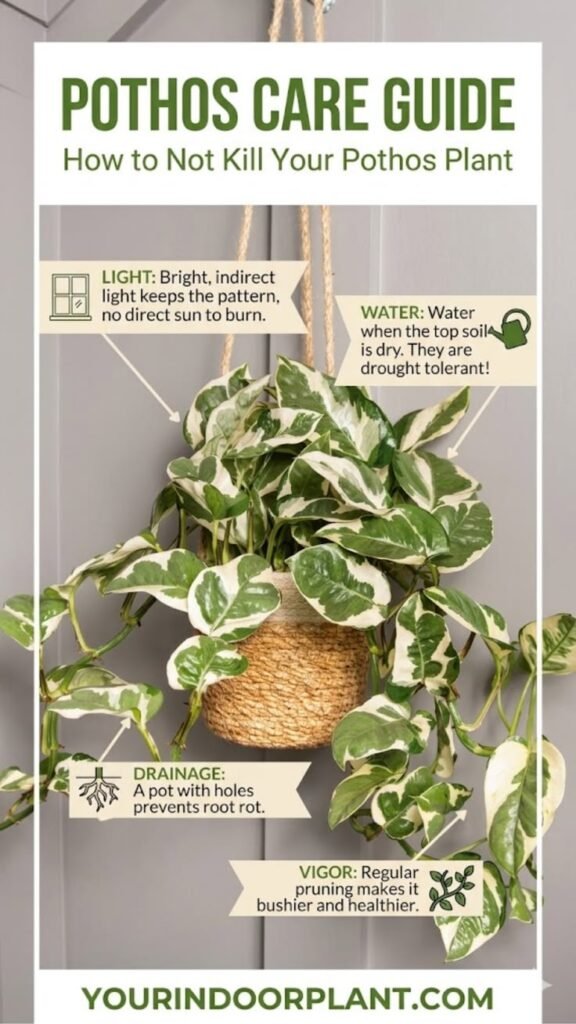
Pothos tolerates low light and will survive in it, but variegated types, like Marble Queen, Manjula, or Snow Queen, need bright indirect light to hold onto their white and cream patterning. In low light, a variegated pothos gradually pushes out more solid green leaves as the plant prioritizes chlorophyll production over decoration.
A spot a few feet from an east or north-facing window is close to ideal. Direct afternoon sun through a south or west window can bleach or scorch the leaves, so keep it back from the glass or filtered by a sheer curtain.
What Soil And Pot Setup Works Best?
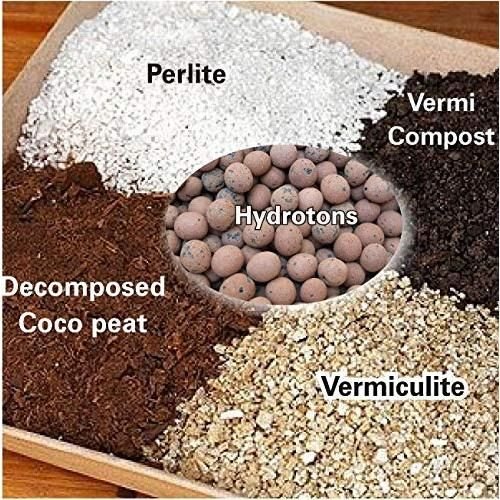
● Soil: A standard well-draining houseplant mix works fine. If your mix feels heavy or holds water for more than a week, add perlite to loosen it up.
● Pot: Anything with a drainage hole. Pothos roots need airflow and don’t tolerate sitting in water, even briefly.
● Repotting: Only when roots are visibly circling the bottom of the pot or growth has stalled. Pothos actually grows a bit better, slightly snug, so don’t upsize the pot just because it’s been a year.
Why Pothos Grows Bigger Leaves On A Moss Pole Than In A Hanging Basket
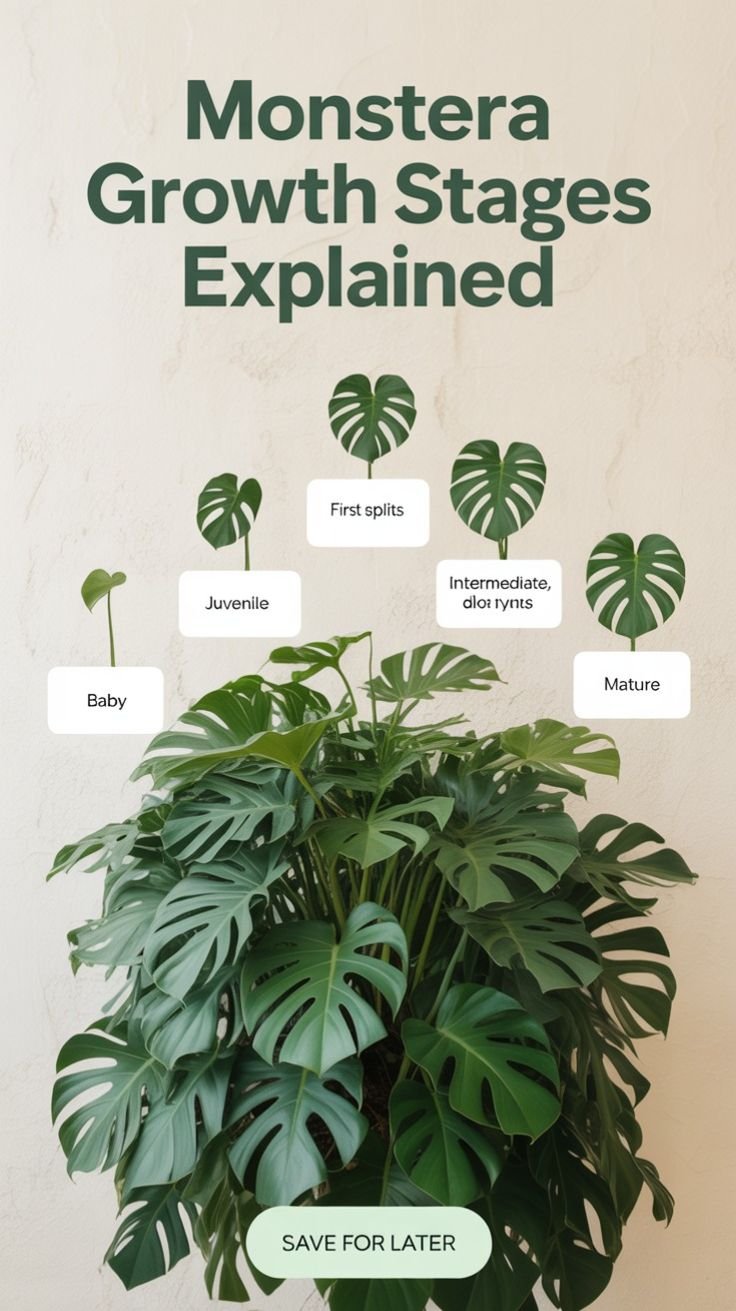
In its natural habitat, pothos is a climber, not a trailer. It grows up tree trunks, using small aerial roots to anchor itself, and as it climbs, the plant matures and starts producing noticeably larger leaves, sometimes with natural splits near the leaf edge. A pothos left to trail in a hanging basket stays in a juvenile growth stage indefinitely, which is why its leaves tend to stay small and uniform.
Giving your pothos a moss pole or a piece of bark to climb encourages this more mature growth pattern. You’ll usually see a noticeable jump in leaf size within a few months, along with a fuller, more upright look than a trailing vine ever develops on its own.
How To Propagate Pothos From A Single Cutting
Pothos roots easily from stem cuttings, and the entire process depends on one small detail: the node.
●Find a node: It’s the small brown bump on the stem where a leaf or aerial root attaches. Roots will only ever grow from a node, never from a random section of stem.
●Make the cut: Snip about an inch below a node using clean scissors, and remove any leaves that would sit underwater.
●Root it: Place the node in water or moist soil, keep it in bright indirect light, and change the water weekly if rooting in water. Roots typically appear within two to four weeks.
Pothos Watering Schedule by Season
Spring and Summer
Golden pothos grows the fastest during the warmer months, so it uses water more quickly. Check the soil about once a week and water only when the top 1 to 2 inches feel dry. Depending on light, temperature, and humidity, most indoor plants need water every 7 to 10 days.
Fall
As temperatures cool and growth slows, your pothos won’t dry out as quickly. Begin increasing the time between waterings and continue using the soil as your guide. In many homes, watering every 10 to 14 days is enough during the fall.
Winter
Winter is when golden pothos needs the least amount of water. Most plants are happy with a thorough watering every 2 to 3 weeks, but always check the soil before adding more. If your home is warm and receives plenty of sunlight, you may need to water a little sooner. In cooler or lower-light conditions, the soil can stay moist much longer.
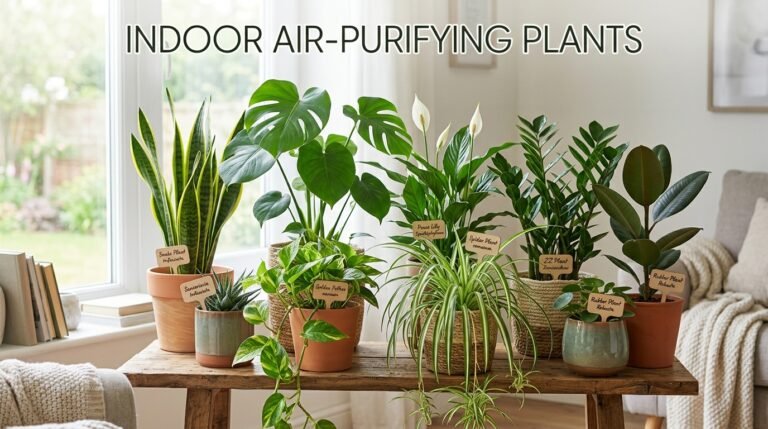
Is Pothos Actually A Good Air Purifier?
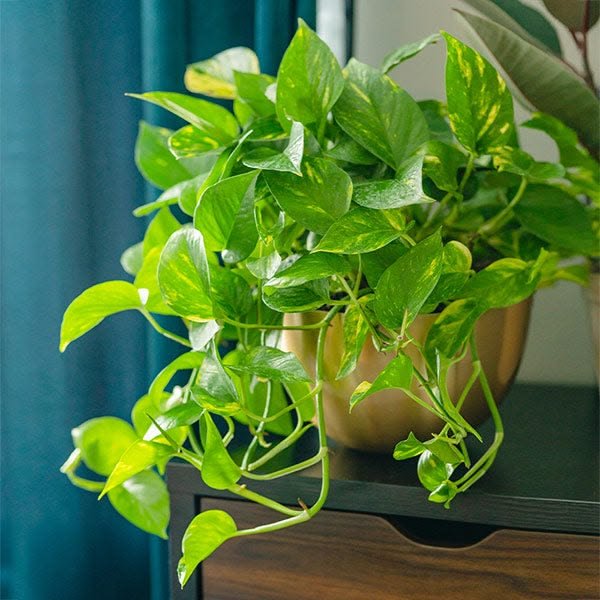
Not in any way that matters in a real room. The often-cited NASA air purification study tested plants in small, sealed chambers, conditions nothing like an open living room with normal airflow. Pothos is still a great low-maintenance houseplant, just not a meaningful substitute for ventilation or an air filter.
Pothos doesn’t need much to survive, but a moss pole, consistent bright light, and watering by feel rather than habit are what turn a bare vine into a genuinely full, healthy plant.
FAQs
Is Pothos Toxic To Pets?
Yes. Pothos contains calcium oxalate crystals that irritate the mouth and digestive tract if chewed or swallowed. Keep it out of reach of cats and dogs.
Why Is My Variegated Pothos Turning Solid Green?
It’s not getting enough light. Move it closer to a bright window, and prune off any fully green stems so the plant redirects energy toward variegated growth.
Can Pothos Grow Long-Term In A Windowless Room?
It can survive for a while, but it won’t thrive. Without at least some natural light or a grow light running several hours a day, growth eventually stalls and leaves get smaller.
One Comment