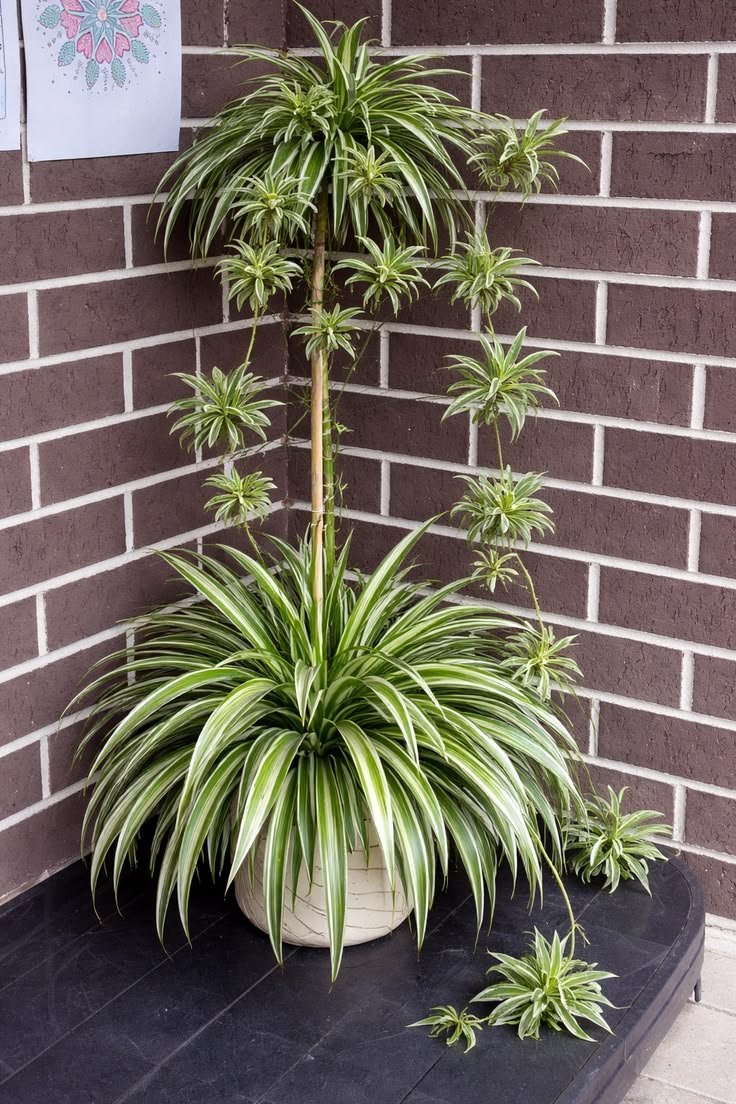

Winter Garden Ideas For Beginners: Easy Indoor Guide
.
Winter Garden Ideas For Beginners: Easy Indoor Guide
Gardening is the most heartfelt and loveable task one can do in his lifetime. There are times when winter arrives, and people think that they cannot do gardening as it was done in summer. In cold weather, it doesn’t have to end your gardening season. If you’re searching for winter garden ideas for beginners, the easiest place to start isn’t outside in the frost. It’s right inside your home. A few bright windows, the right plants, and some small habit changes can turn any room into a small winter garden that actually thrives. Moreover, it will bring warmth to your life in the winter season, as winter is a season where people feel a bit dull and passive, so the right gardening and flower choice will make your winter beautiful and passionate.
You don’t need a greenhouse, a big budget, or years of plant experience. You just need to work with the light and warmth you already have. This guide walks through exactly which plants to pick, how to water them through the colder months, and the small daily habits that keep everything alive until spring. And if you’d rather keep your winter project outdoors, our guide to Low-Maintenance Winter Garden Plants For Busy Schedules covers hardy picks that thrive with almost no attention.
Why Your Best Garden This Winter Is Indoors
Outdoor beds slow down once frost sets in. Growth stalls, soil stays cold, and most vegetables simply stop. Indoor plants don’t face that problem. Your home stays warm, the light stays somewhat steady, and plants that handle low light can keep growing right through January. That’s why so many beginners turn their windowsills into a winter garden instead of fighting the weather outside.
Indoor gardening also fixes the biggest beginner problem: overwhelm. You’re not managing a full yard. You’re managing a few pots on a shelf or a windowsill, which makes it much easier to notice a problem early and fix it before it spreads.
Find Your Plant’s Winter Sweet Spot

Most winter plant problems start with the wrong location, not the wrong plant. Before you bring anything home, walk around your house and check which windows still get real daylight in winter. South-facing windows usually stay the brightest through the colder months. East-facing windows work well for plants that prefer gentler morning light.
Avoid spots near drafty doors or cold glass, since sudden temperature swings stress plants fast. A sunny spot that stays a steady 65 to 75 degrees is close to ideal for most common houseplants. Once you know your brightest, warmest corner, build your winter garden around it instead of scattering pots around the house and hoping for the best.
Meet The Houseplants Built For Winter

Not every plant handles low light and dry indoor air well, so choosing the right ones matters more in winter than any other season. Snake plants are one of the easiest starting points, since they tolerate low light and irregular watering better than almost anything else.
Pothos is another beginner favorite. It grows well in average indoor light, tolerates a missed watering, and still looks full through winter.
ZZ plants round out a solid beginner trio. They store water in their roots, so they handle winter’s slower growth and lower light better than most flowering plants.
Winter Air Is Thirstier Than You Think
Heaters dry out indoor air fast, and most houseplants notice the difference within a few weeks. Dry air causes crispy leaf tips, slower growth, and a higher chance of spider mites. Grouping a few plants together helps, since they naturally raise humidity around each other as they release moisture through their leaves.
A small tray of water and pebbles under your pots can also help without turning into extra work. Just don’t let the pot itself sit directly in water, since that leads straight to root rot.
Water Less, Worry Less
Winter is where most beginners overwater without realizing it. Plants grow slower in winter, which means they use less water than they did in summer. Before watering, push a finger about an inch into the soil. If it still feels damp, wait a day or two and check again.
The tricky part is that soil can look fine on the surface while the roots underneath are already struggling. Our guide on 5 Signs Your Plants Are Thirsty breaks down what to actually check, even when the top of the soil feels damp. Getting this one habit right prevents more winter plant deaths than almost anything else on this list.
Turn One Corner Into Your Winter Jungle

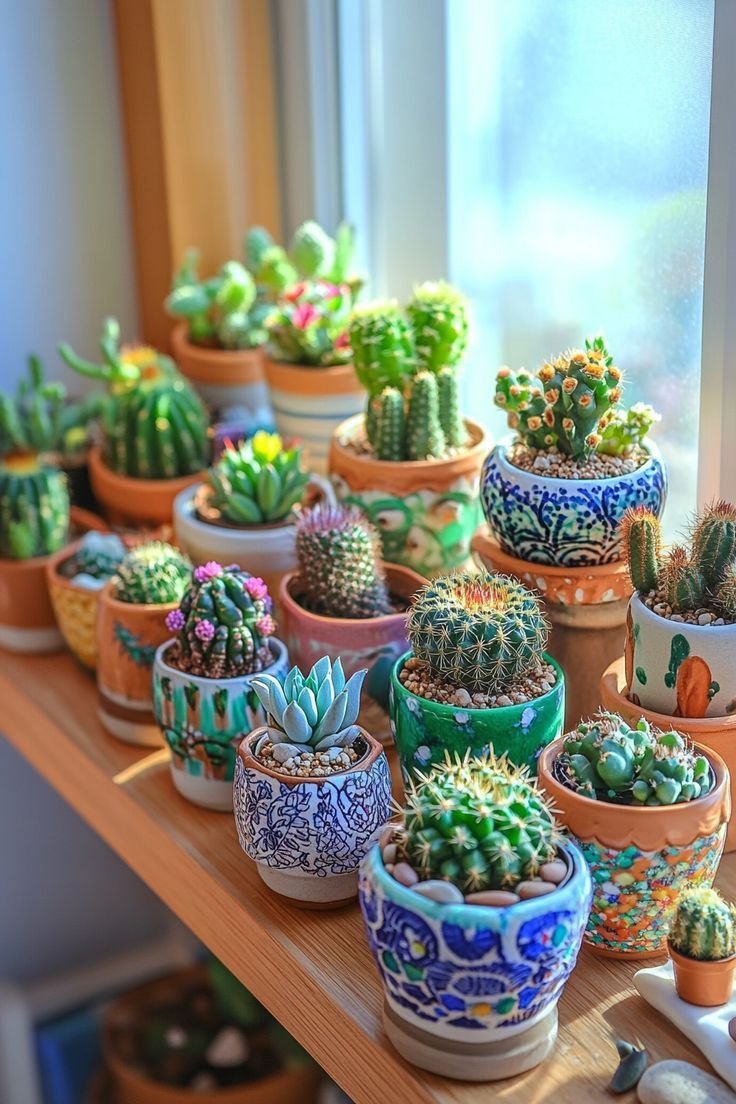
You don’t need a whole room to feel like you have a real winter garden. A small cluster of pots on a plant stand, a shelf near a bright window, or even a corner of your kitchen counter can work. Grouping plants by light and water needs makes care simpler, since you’re not running around the house checking ten different setups.
Add a small grow light if your space doesn’t get much natural sun. It doesn’t need to be expensive or complicated. Even a basic LED grow light can keep low-light plants steady through the darkest months.
When The Sun Clocks Out Early
Some regions lose several hours of daylight by December, and plants notice long before you do. If your plants start leaning hard toward the window or growth looks stretched and thin, that’s a sign they’re reaching for light that isn’t there. Rotating pots weekly helps even out the reach, but a grow light solves the problem at the source.
You don’t need to run a light all day. Six to eight hours on a simple timer is enough for most low-light houseplants to hold their shape through the darkest stretch of winter. This one small habit change stops more mid-winter plant slumps than most people expect.
Decoding Your Plant’s Winter Warning Signs
Yellow leaves, leggy growth, and slower blooms are common in winter and don’t always mean something is wrong. Plants naturally rest during shorter days, so growth that looks slow is often normal, not a warning sign.
That said, the fundamentals still matter, even indoors. Our Outdoor Plant Care 101 guide covers the core habits around light, water, and soil that apply just as much to a windowsill garden as they do to a backyard bed.
Small Habits, Big Winter Payoff
A few small habits make a bigger difference than any single product. Check plants once a week instead of daily, since winter growth is slow and daily fussing can lead to overwatering. Rotate pots occasionally so every side gets some light, since plants lean hard toward a single window over time.
Wipe dust off leaves every few weeks. Dust blocks light, and winter plants already get less of it than they do in summer. Keep plants away from heating vents and cold windowsills, since both extremes stress them more than steady, moderate conditions ever will.
Your Winter Garden Can Start Tiny And Still Win

A few pots, one bright window, and a little attention to watering can turn any home into a small winter garden. You don’t need special equipment or a long list of rare plants to get started. Choose two or three easy varieties, learn how they respond to your specific light and humidity, and build from there next year.
By the time spring arrives, you’ll know exactly which corner of your home works best for plants, and you’ll have a head start on next winter’s garden too. And once the weather warms up, our Secret Garden Ideas For Your Backyard guide can help you turn that same love of a cozy, tucked-away corner into an outdoor retreat.
FAQs
Can Houseplants Actually Grow During Winter, Or Do They Just Survive?
Most houseplants slow down rather than stop completely. Growth is usually smaller and slower, but healthy plants still put out new leaves through winter if light and watering stay balanced.
Why Do My Plant’s Leaves Turn Brown At The Tips In Winter?
Brown tips are usually a sign of low humidity from indoor heating, not a watering problem. Grouping plants together or adding a humidity tray often clears this up within a few weeks.
Is It Normal For Houseplants To Drop A Few Leaves In Winter?
Yes, a few dropped leaves are normal as plants adjust to lower light. Frequent or heavy leaf drop usually points to overwatering, which is the most common winter mistake.
Do I Need A Grow Light If My Room Gets Some Natural Sunlight?
Not always. If your plants sit near a bright window and still look healthy, natural light is likely enough. A grow light helps most in rooms with limited daylight hours during winter.
Should I Fertilize Houseplants During Winter?
Most houseplants need little to no fertilizer in winter since growth slows down. Feeding a resting plant can do more harm than good, so it’s best to wait until spring growth picks back up.