

Outdoor Plant Care 101: The Simple Habits That Keep Your Garden Thriving All Season
Outdoor plant care comes down to a handful of habits, not a green thumb you’re born with. Get the water, light, and soil right, and most plants forgive almost everything else. Struggle with those three, and even the toughest perennial will sulk. This guide walks through the routines that keep container gardens, flower beds, and patio pots healthy from spring planting through the first frost, plus what to do when something goes wrong.
Why Does Watering Make Or Break Outdoor Plants?

Because it’s the one thing that goes wrong fastest and shows up slowest. Too little water and roots dry out. Too much and they rot from the inside. Neither mistake shows itself right away, so by the time leaves droop, the damage is already a few days old.
Skip the calendar and check the soil instead. Push a finger about two inches into the pot or bed. Dry at that depth means water now. Still damp means wait a day and check again. That one habit heads off most outdoor plant deaths before they start.
How Often Should You Actually Water Outdoor Plants?

Less often than you’d guess in a garden bed, more often than you’d guess in a container. There’s no single number that fits every plant, and any guide that hands you one is oversimplifying. Frequency comes down to the plant, the pot size, the sun, and whatever the weather did that week. A few patterns hold up across most US yards and patios:
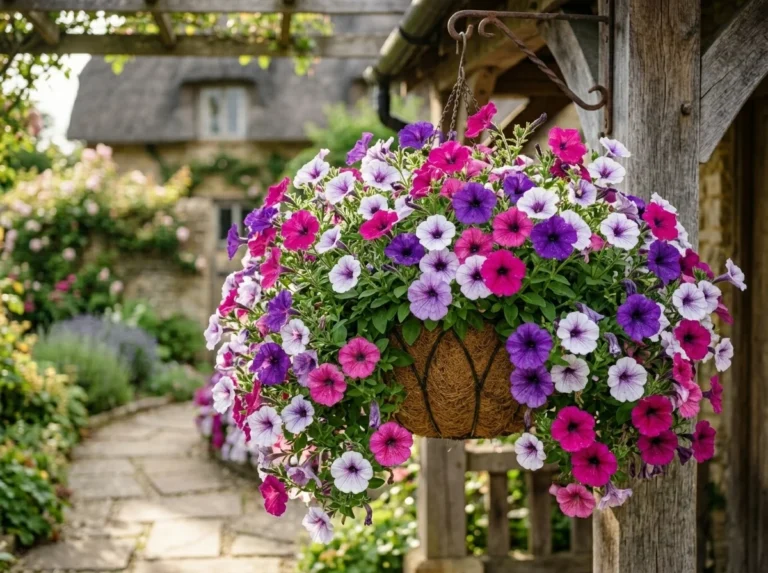
• Containers dry out faster than garden beds, sometimes needing water daily in summer heat.
• Morning watering beats evening watering, since wet leaves overnight invite fungus and mildew.
• A deep, slow soak beats a quick daily splash, because it trains roots to grow downward.
• Mulch cuts watering needs significantly by slowing evaporation from the soil surface.
Traveling a lot or just bad at remembering? A drip irrigation kit or self-watering planter pays for itself the first time it saves a plant.
What’s The Right Way To Pot On A New Plant?
Move it up one size within the first week home, and loosen the roots before you do. Most plants arrive in a small nursery pot that was only ever meant to be temporary. Shifting it into a container two to four inches wider, or straight into garden soil if the season allows, gives roots room to spread and means less watering down the line.
Before you set it in new soil, loosen the root ball gently with your fingers. Roots that have circled tightly around the old pot won’t spread out on their own once buried. They need a nudge to break the habit.
Why Does Feeding Matter More Than You Think?
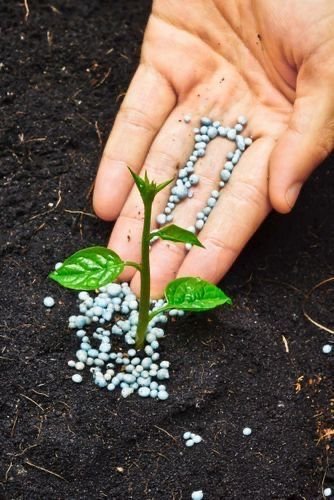
Because the food in that bag of potting soil runs out fast. Fresh potting mix usually carries enough nutrients for four to six weeks. After that, the plant is coasting on empty unless you step in. A liquid fertilizer every two to four weeks through the growing season keeps foliage green and flowers coming. Slow-release granules suit anyone who’d rather feed once and forget about it for a season.
Hold off on fertilizer in late fall and winter. Feeding a plant that’s trying to go dormant just pushes out tender new growth right before frost, and that new growth is usually the first thing to die.
Should You Bother Deadheading Spent Flowers?
It’s not required, but it’s worth the five minutes. A plant left to form seed heads spends its energy there instead of on new blooms. Snip off the faded flowers, and that energy goes back into flowering, foliage, or roots, and the bed looks better for it too.
A weekly pass with garden snips, or just your fingers, covers most flowering plants. Cut just above a leaf node or side bud so the plant has somewhere to send new growth.
How Do You Diagnose Common Outdoor Plant Problems?
Match the symptom to the cause, since most outdoor plant trouble traces back to water, light, or pests:
• Yellowing leaves after heavy rain: usually waterlogged soil. Check that pots and beds drain well.
• Wilting on hot afternoons even with damp soil: the plant needs deeper watering, or a few hours of afternoon shade.
• Chewed or ragged leaf edges: slugs or snails. Copper tape around pots or a shallow beer trap works without chemicals.
• A powdery white coating on leaves: powdery mildew from crowded plants and poor airflow. Space plants out and water at the base, not overhead.
• Fewer blooms than last year: often a feeding gap, root-bound container, or a plant that needs dividing.
How Do You Protect Outdoor Plants From Frost And Winter Weather?
Watch the overnight forecast and move first; ask questions later. Frost is the biggest threat once fall sets in, and a few hours of prep the evening before beats a dead plant the next morning:
• Move container plants against a house wall or under a covered porch for a few extra degrees of protection.
• Cover in-ground plants with a frost cloth or old bedsheet before sunset, and remove it by mid-morning.
• Water beds lightly before a hard freeze; moist soil holds heat better than dry soil.
• Bring tender perennials and tropicals fully indoors once nighttime temperatures dip into the 40s Fahrenheit.
With A Little Consistency And Attention, Your Outdoor Plants Can Stay Healthy, Vibrant, And Thriving All Season Long.
Outdoor plant care isn’t about doing more; it’s about doing the basics consistently: check the soil before you water, feed on a schedule, and act early when the forecast turns cold. Get those habits down, and the rest of the garden takes care of itself.
Frequently Asked Questions
When Should I Bring Outdoor Plants Inside For Winter?
Move tender or tropical plants indoors once nighttime temperatures start dropping into the mid-40s Fahrenheit, before the first frost warning hits your area. Hardy perennials and shrubs rated for your USDA zone can usually stay outside year-round.
Why Are My Outdoor Plants Blooming Less Than They Did Last Year?
This is almost always one of three causes: the plant has used up the nutrients in its soil, it’s become root-bound in its container, or it needs dividing after a few seasons of growth. Repotting or feeding on a regular schedule usually brings blooms back within a month.
Can I Move Plants Between Indoors And Outdoors During The Season?
Yes, but do it gradually. Moving a plant straight from a shaded indoor spot into full outdoor sun can scorch the leaves within days. Give it a week in partial shade outside first, then move it into its final sunny spot.
How Often Should I Water Outdoor Pots In Summer?
Most containers need water every one to two days once temperatures climb past 85 degrees Fahrenheit, since pots dry out far faster than garden beds. Check the soil daily during heat waves rather than sticking to a fixed schedule.
Is It Too Late To Plant Something New In Late Summer?
No. Many perennials, shrubs, and cool-season vegetables actually establish better roots when planted in late summer or early fall, since the cooler air is gentler on new growth than peak summer heat.

2 Comments