
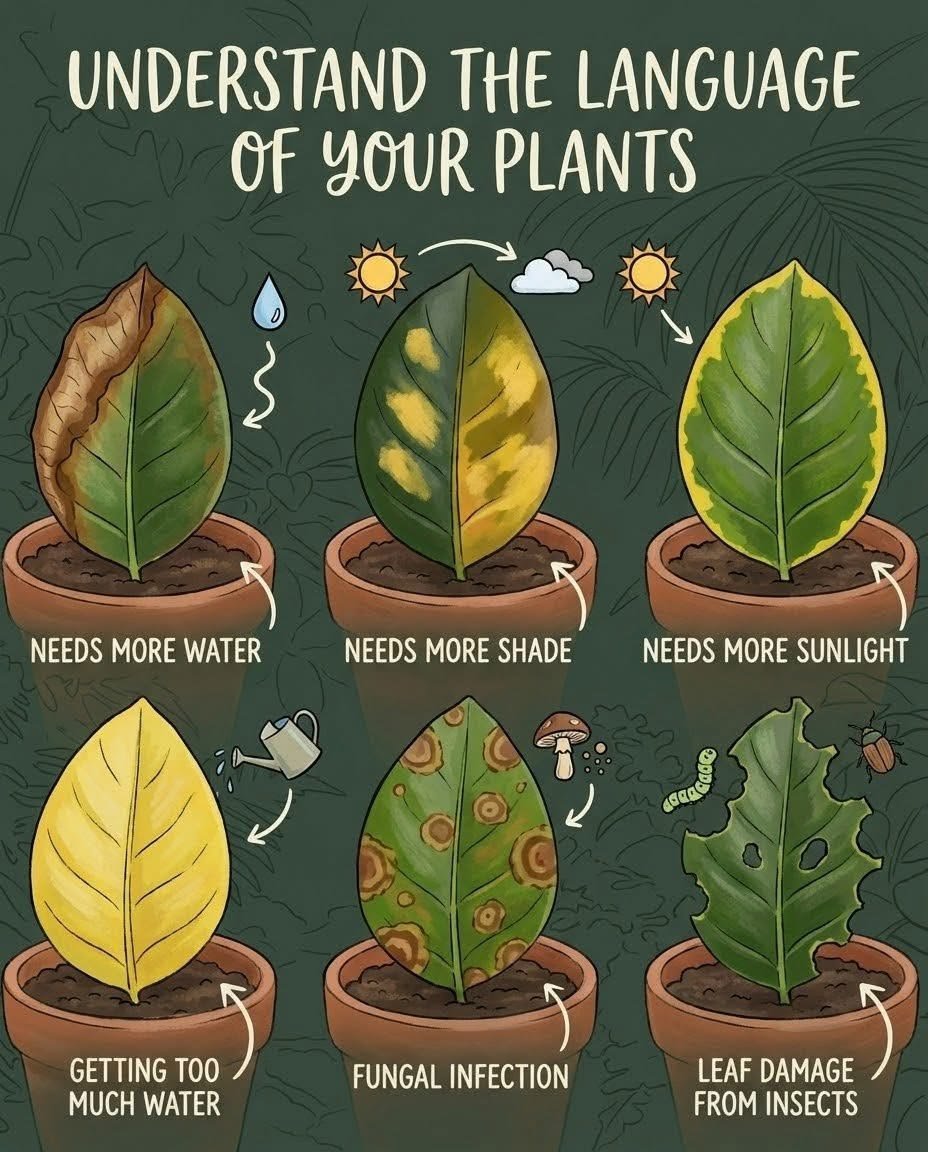
Common Indoor Plant Problems (And How To Actually Fix Them)
Every plant parent hits a rough patch. A leaf turns yellow. A stem stretches too far toward the window. A plant that looked fine on Monday looks tired by Friday. Most of these problems are not mysterious. Your plant is always telling you something through its leaves, its stems, and even its soil. You just need to know how to read it. This guide breaks down the most common indoor plant problems in plain language, covering what causes each one, how to tell it apart from similar-looking issues, and exactly how to fix it.
Yellow Leaves Usually Point To A Watering Mistake
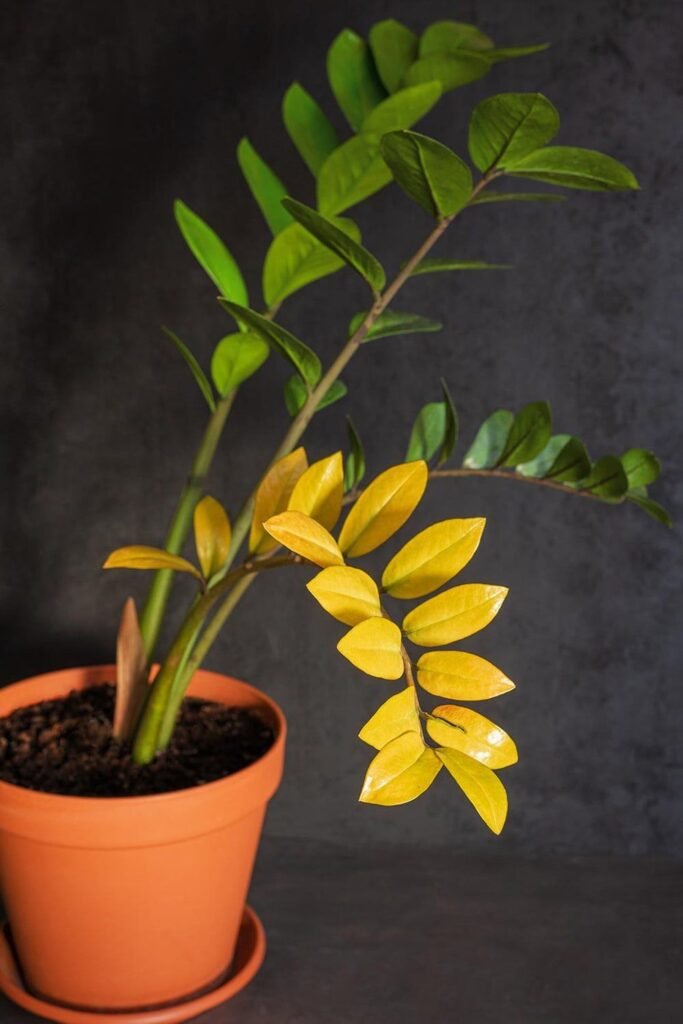
Yellow leaves are the most common complaint from indoor plant owners. Overwatering is the usual cause. Roots sitting in wet soil cannot breathe. They start to suffocate, and the leaves turn yellow as a result. This often starts with the lower, older leaves, since they are the first to be sacrificed when the roots are struggling. The leaves feel soft and sometimes almost mushy to the touch.
Underwatering causes yellowing too, but it looks and feels different. The leaves turn yellow and then move toward brown, often starting at the edges instead of the base. They feel dry, thin, and crisp rather than soft. New growth is usually the first to show stress, since the plant pulls moisture away from newer leaves to protect the rest of itself.
Check the soil before you water again instead of guessing. Push a finger two inches deep into the pot. If it feels damp, wait a few more days before checking again. If it feels dry, water thoroughly until liquid runs from the drainage holes, then let the pot drain fully. Never let a pot sit in a saucer full of standing water, since this recreates the same overwatering problem even if you are watering on a normal schedule.
Brown, Crispy Tips Come From Dry Air Or Mineral Buildup
Brown tips are not always about water. Low humidity is a common cause, especially in winter when indoor heating systems strip moisture from the air. Many popular houseplants, including ferns, calatheas, and peace lilies, come from humid tropical environments and struggle in dry indoor air, even when watering is otherwise correct.
Tap water can also be the culprit. It often contains chlorine, fluoride, and mineral salts that build up in the soil over repeated waterings. Over time, this buildup reaches the roots and burns the tips and edges of the leaves, since the plant cannot process the excess minerals. This shows up as a hardened, brown, sometimes slightly yellow edge along otherwise healthy-looking leaves.
Group plants together to raise humidity around them naturally, since plants release moisture through their leaves. A small humidifier nearby works even better in dry climates or heated rooms. If mineral buildup looks like the issue, flush the soil with distilled or filtered water every few months, letting it run through the pot several times to carry the excess salts out through the drainage holes.
Drooping Leaves Are A Signal, Not Always A Water Request
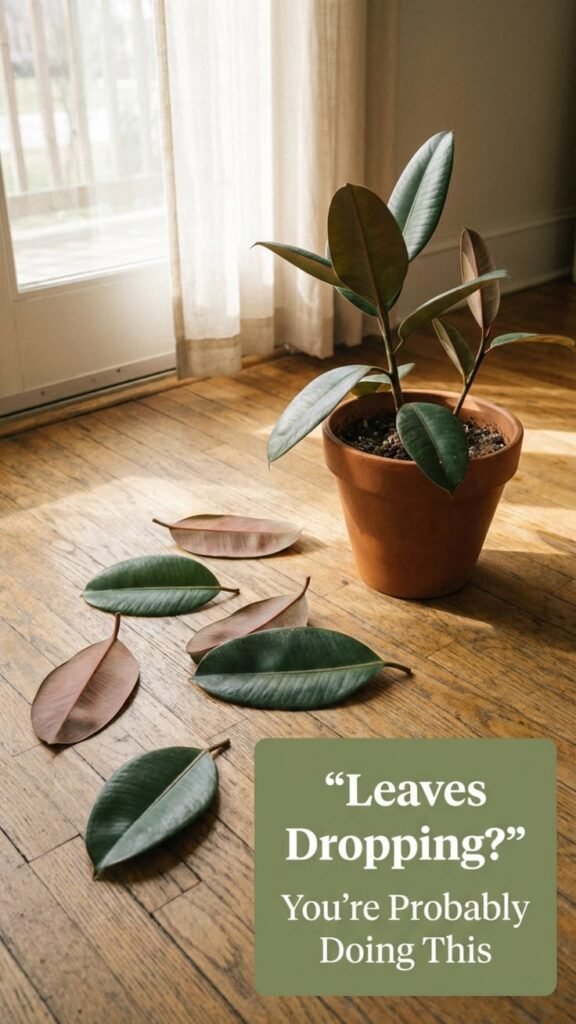
A drooping plant is not always thirsty, even though that is the first instinct most people have. Heat stress, shock after repotting, cold drafts, and even overwatering can all cause the same limp, droopy look. The leaves lose their firmness and hang lower than usual, which makes it easy to assume the plant just needs a drink.
Before you reach for the watering can, check the soil moisture first. If the soil is already wet or damp, the droop is more likely caused by too much water sitting around the roots, not too little. Adding more water in this case only makes the underlying problem worse and can push the plant closer to root rot.
Sudden temperature changes near drafty windows, exterior doors, or air conditioning and heating vents can also cause leaves to droop overnight, even when watering and light are both correct. Keep plants at least a few feet away from these spots, and avoid moving them right next to a window in winter, where nighttime temperatures can drop sharply.
Root Rot Often Hides Until The Damage Is Done
Root rot is one of the most serious indoor plant problems because it starts underground, out of sight, long before any symptoms show above the soil. Poor drainage is the main cause. Water pools around the roots instead of draining away, oxygen in the soil runs out, and the roots begin to decay in that wet, low-oxygen environment.
By the time you notice wilting, yellowing, or a soft, mushy stem near the soil line, the damage has usually already spread through a large part of the root system. A sour or musty smell coming from the soil is another warning sign, since healthy soil should smell earthy, not sour.
Pots need drainage holes. This is not optional, no matter how attractive a pot without one might look. If you catch root rot early, remove the plant from its pot, gently rinse the soil away from the roots, and trim off any roots that are soft, brown, or black, leaving only the firm, white or light tan roots behind. Repot in fresh, well-draining soil, water lightly, and hold off on fertilizing until you see new growth.
Pests Prefer To Hide Where You Are Not Looking
Spider mites, aphids, mealybugs, and fungus gnats are the most common indoor plant pests, and each one leaves a different clue once you know what to look for. Spider mites leave fine, almost invisible webbing along with tiny pale dots scattered across the leaf surface, usually alongside a dulled or dusty appearance. Aphids cluster in groups on new growth and along tender stems, where the plant tissue is softest.
Mealybugs look like small tufts of white cotton tucked into leaf joints and along stems, and they can be mistaken for a fungal issue at first glance. Fungus gnats are the easiest to notice, since the adults hover near the soil surface and around the plant when disturbed. They breed in overly wet potting mix, which means a fungus gnat problem is often a sign that watering needs to be adjusted as well.
Check the undersides of leaves weekly, since that is where most pests settle in first and go unnoticed the longest. Wipe leaves with a damp cloth to physically remove early pest activity and treat any infestation with insecticidal soap or neem oil, reapplying every seven to ten days until the pests are gone. Isolate an affected plant from the rest of your collection while you treat it, since most of these pests spread quickly from plant to plant.
Leggy, Stretched Growth Means The Plant Wants More Light
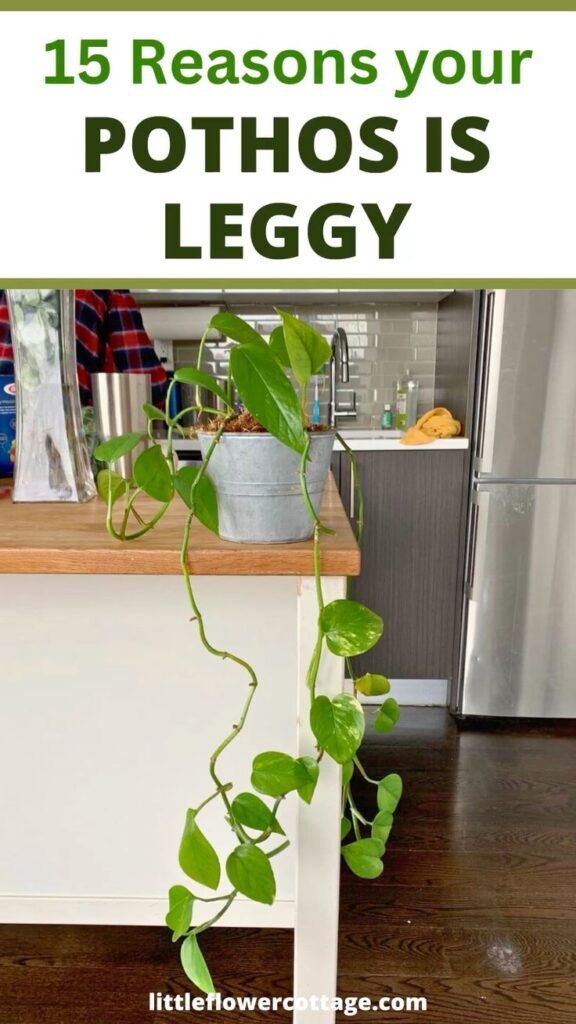
A plant that stretches toward one direction, with unusually long gaps between leaves along the stem, is reaching for light it is not getting enough of. This growth pattern is called etiolation. The plant puts its energy into growing taller and thinner instead of producing full, healthy foliage, since it is prioritizing the search for light over everything else.
This happens slowly over weeks, so many people do not notice until the plant looks thin, pale, and visibly unbalanced compared to how it looked when they first brought it home. Leaves may also grow smaller than normal and space themselves further apart along the stem as the light shortage continues.
Move the plant closer to a bright window, ideally one with several hours of indirect light each day, or rotate the pot a quarter turn every week so growth stays even instead of leaning one way. If natural light is limited in your space, a simple grow light positioned above the plant for several hours a day can fill the gap and encourage fuller, more compact growth over time.
Leaf Drop After A Move Is Usually Just Shock
Plants dislike change more than most people expect. A new location in the home, a shift in temperature, a change in light direction, or even a long car ride home from the nursery can cause a plant to drop leaves within just a few days of the change. This is called “transplant” or “environmental shock,” and it is usually temporary rather than a sign of lasting damage.
The leaf drop can look alarming, especially if several leaves fall at once, but it is the plant’s way of conserving energy while it adjusts to its new conditions. Leaves that were already older or weaker tend to go first, while the newest growth is usually protected.
Keep the care routine as steady as possible while the plant adjusts to its new spot. Avoid repotting, fertilizing, or moving it again right after the drop, since stacking multiple changes on top of each other only extends the recovery period. Most plants stabilize and recover within a few weeks once conditions, including light, temperature, and watering, stay consistent.
A Powdery White Coating Signals A Fungal Problem
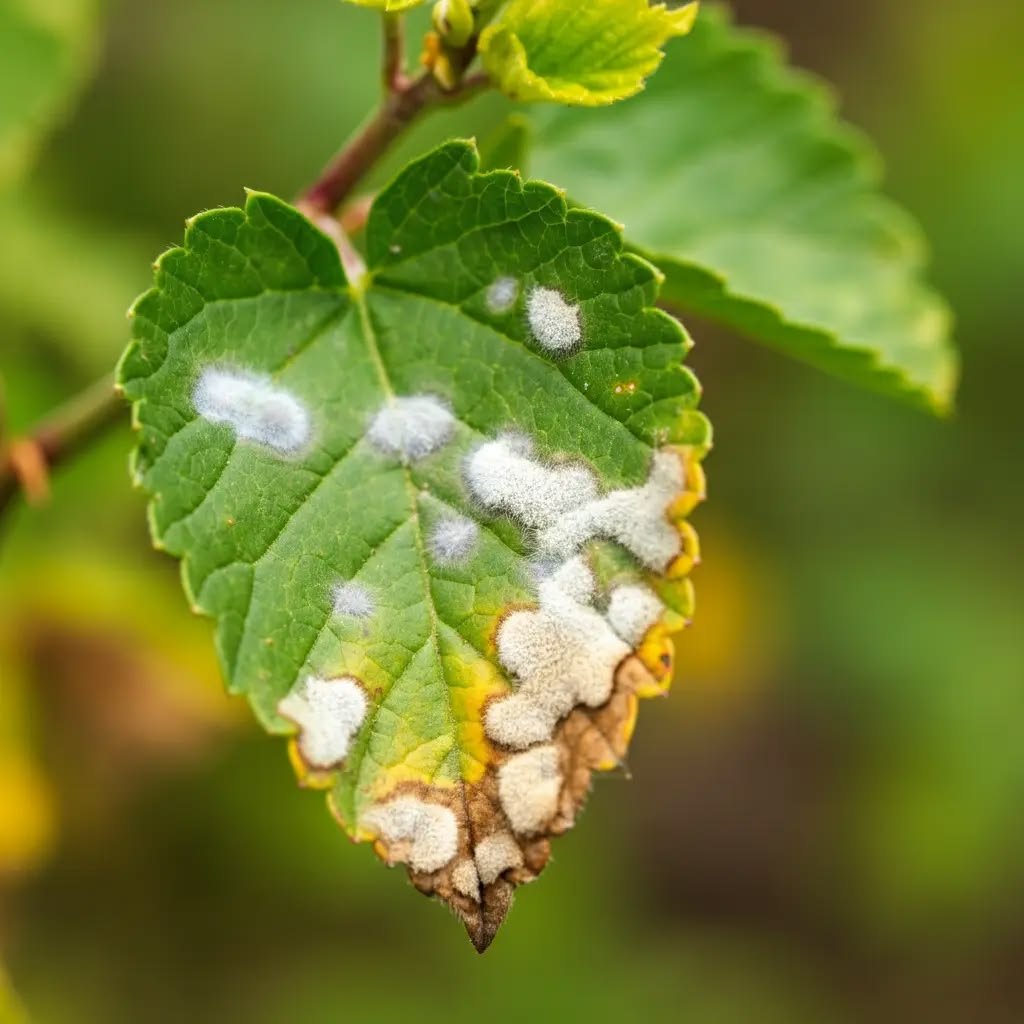
Powdery mildew shows up as a dusty, flour-like white film across leaves, stems, and sometimes flowers. It thrives in humid, poorly ventilated spaces, which makes indoor plants especially prone to it during damp seasons or in rooms with little airflow, such as bathrooms or closed-off corners.
Left untreated, powdery mildew spreads across the plant and can weaken it over time by interfering with photosynthesis, since the coating blocks light from reaching the leaf surface properly. It rarely kills a plant outright, but it does slow growth and leave the plant more vulnerable to other stress.
Improve airflow around the plant by spacing it away from other plants and opening a window when weather allows. Remove and dispose of the most affected leaves rather than leaving them on the plant, and treat the remaining foliage with a fungicide made specifically for houseplants if the spread continues after improving airflow.
No, New Growth Does Not Always Mean The Plant Is Dying
A plant that looks the same for weeks, with no new leaves or visible change, is not necessarily struggling or dying. Many indoor plants slow down or pause growth entirely during fall and winter, when natural light levels drop and days grow shorter, even indoors under artificial lighting. This dormant or semi-dormant period is a normal part of the plant’s yearly cycle, not a warning sign on its own.
The key difference to watch for is whether the plant is simply pausing or actively declining. A dormant plant still looks firm, holds its color, and shows no new damage. A struggling plant continues to lose leaves, develop soft spots, or show new yellowing even while growth has stopped.
Hold off on heavy feeding during this rest period since the plant is not actively using the extra nutrients and fertilizer can build up in the soil instead. Resume regular watering and fertilizing once you notice new growth starting again, usually as the days lengthen in early spring.
A Simple Weekly Check Catches Most Problems Early
Most indoor plant problems are far easier to fix when caught early, before they have had time to spread through the leaves, stems, or root system. A short weekly habit makes this simple to stay on top of, even with a large plant collection.
Check the soil moisture with a finger before deciding whether to water. Look under the leaves for early signs of pests, since this is where most infestations start unnoticed. Glance at the overall shape and color of the plant, comparing it to how it looked the week before, to catch subtle changes early.
Small changes caught during a weekly check are much easier to correct than problems that have had weeks or months to grow. A few minutes of attention each week is usually all it takes to keep an indoor plant collection healthy and to catch the early warning signs before they turn into bigger issues.
The Takeaway
Indoor plant problems look overwhelming until you know what to look for. Once you understand the signals, yellow leaves, drooping stems, and slow growth stop feeling like emergencies. They become small, fixable steps in keeping your plants healthy long-term.
No plant collection stays completely problem-free, and that is normal. What matters most is catching the signs early, understanding what is actually causing them, and responding with the right fix instead of a guess. With a little attention each week, most indoor plants recover quickly and keep thriving for years.
Frequently Asked Questions
Why Do The Leaves On My Plant Turn Yellow One At A Time?
This usually points to a watering routine that needs adjusting, either too much or too little. Check the soil before your next watering to see which one applies.
How Often Should I Really Be Watering My Indoor Plants?
There is no single number that works for every plant. Soil moisture, pot size, and light levels all change how fast a plant uses water, so check the soil directly instead of following a fixed schedule.
Can A Plant Recover From Root Rot?
Yes, if it is caught early. Trim away the damaged roots, repot in fresh soil with good drainage, and reduce watering until the plant stabilizes.
Is It Normal For Lower Leaves To Fall Off Over Time?
Yes. Older leaves near the base naturally shed as a plant grows and puts energy into new growth. This is different from sudden leaf drop across the whole plant, which usually points to shock or stress.
2 Comments