Indoor Plant Soil Guide: How To Choose The Right Potting Mix For Houseplants
Soil does more than hold a plant upright. It delivers water, nutrients, and oxygen to the roots, and it acts as the anchor point where a plant’s entire root system has to breathe, drink, and feed for years at a time. The wrong soil can trap moisture around the roots and cause rot within weeks, while the right mix gives a plant everything it needs to grow strong for years without constant intervention. Most struggling houseplants are not actually suffering from a light problem or a watering mistake at all. They are sitting in soil that was never suited to their roots in the first place. This guide walks through how to choose or build the right soil for any houseplant, and it covers a few details most soil guides skip entirely.
Why Regular Garden Soil Does Not Work Indoors
Garden soil is too dense for containers. Outdoors, it has worms, insects, and open drainage working in its favor, but none of that exists inside a pot sitting on a windowsill. It compacts quickly, drains poorly, and often carries pests, weed seeds, or fungal spores that can spread to your other plants. Indoor plants need a lighter mix that allows excess water to drain while still holding enough moisture for the roots to absorb between waterings. This is why potting mixes exist as a completely separate product from garden soil and why bagged topsoil from a garden center should never go straight into a houseplant pot. Even soil labeled organic or premium is usually meant for raised beds and in-ground planting, not containers, so always check that a bag is specifically marked as a potting mix before using it indoors.
The Core Ingredients Of A Good Potting Mix
Peat Moss Or Coco Coir
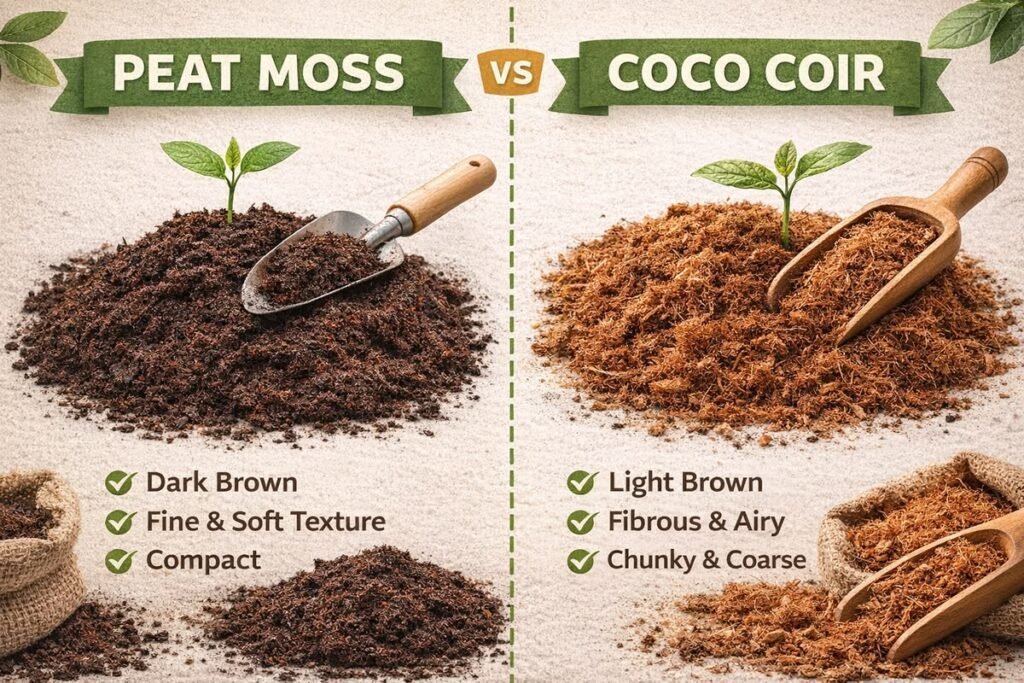
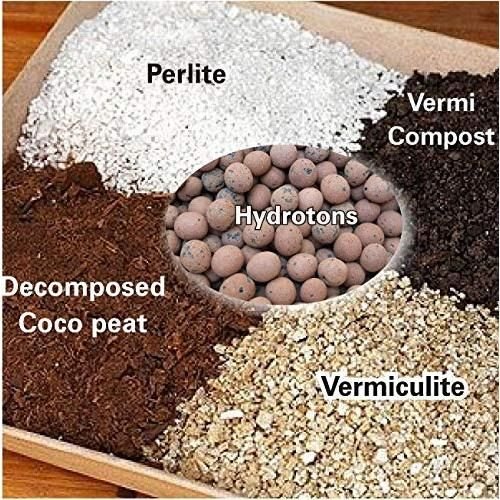
These ingredients hold moisture and add bulk to the mix, giving roots something soft to grow through instead of dense, compacted particles. Peat moss has been the industry standard for decades because it holds several times its own weight in water, but it is harvested from peat bogs at a rate far slower than it regenerates, which has made it a target for environmental restrictions in some countries. Coco coir is a more sustainable alternative to peat moss, made from shredded coconut husks that would otherwise be discarded. It performs similarly, retaining water while staying light and airy, and it tends to be easier to re-wet once it dries out completely, which is a real advantage over peat.
Perlite
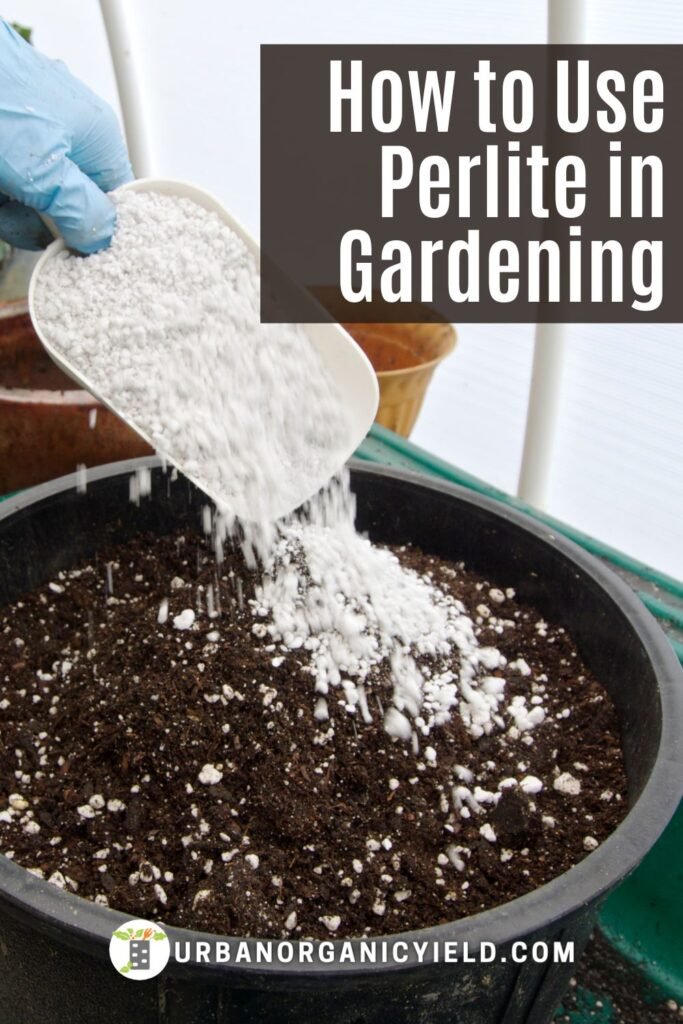
Perlite is the small white speck you see scattered through most potting mixes. It is actually a type of volcanic glass that has been heated until it pops, similar to popcorn, which leaves it light, porous, and full of tiny air pockets. Those pockets create air pockets in the surrounding soil, which improves drainage and prevents compaction around the roots. Perlite is a natural and non-toxic expanded volcanic glass that is lightweight and a microporous medium. Perlite can be mixed into compost or soil to improve drainage and root aeration, stimulate root development and vigorous growth, and sustain moisture. Perlite also helps prevent soil compaction. Caution should be taken to avoid inhalation of perlite particles when handling; the use of a mask is strongly encouraged. Over time, perlite tends to work its way toward the surface of the pot as you water, which is a normal and harmless part of how the mix settles rather than a sign anything is wrong.
Vermiculite
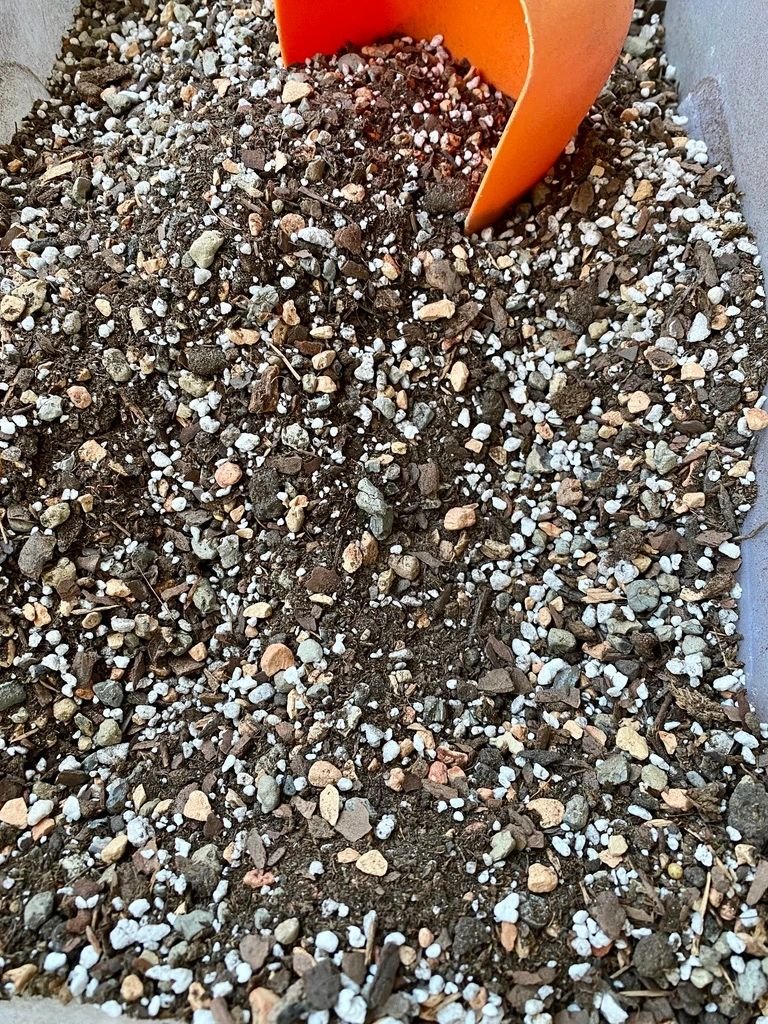
Vermiculite is a mineral that expands when heated, much like perlite, but it behaves very differently in soil. Instead of promoting fast drainage, it holds onto water and nutrients longer, releasing them slowly to the roots over time. This makes it a useful addition for plants that prefer consistent moisture rather than a dry-out period between waterings, such as ferns or peace lilies, but it can work against you in a mix meant for succulents or cacti.
Compost Or Worm Castings
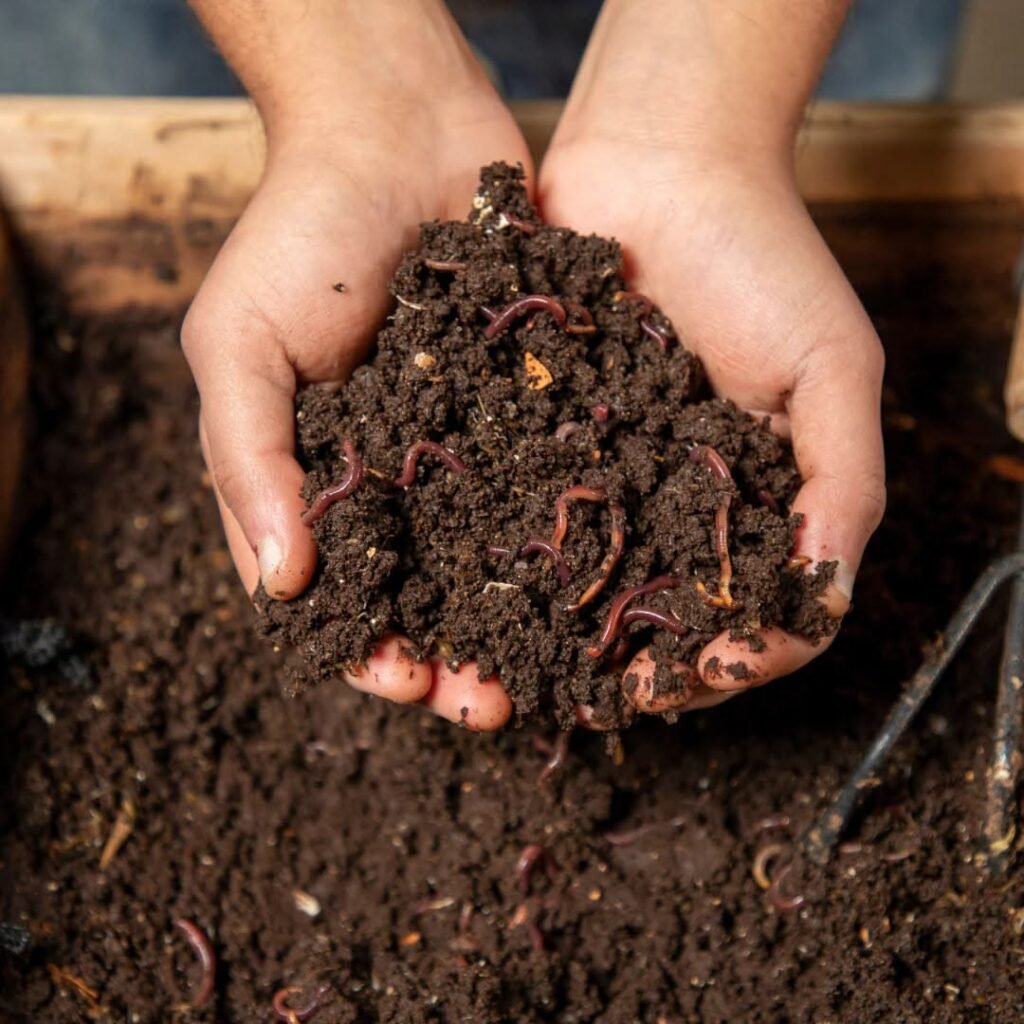
Red wiggler worms (Eisenia fetida) are the gold standard for vermicomposting. These active composting worms quickly break down food scraps into nutrient-rich worm castings that feed your garden. These add organic nutrients to the mix and support healthy microbial activity in the soil, which benefits long-term plant health in ways that go beyond a simple fertilizer feeding. A small percentage of compost or worm castings mixed into a base of peat or coir and perlite gives new plants a nutrient reserve to draw from during their first few months in a pot, before a regular fertilizing routine typically begins.
Bark Or Orchid Chips
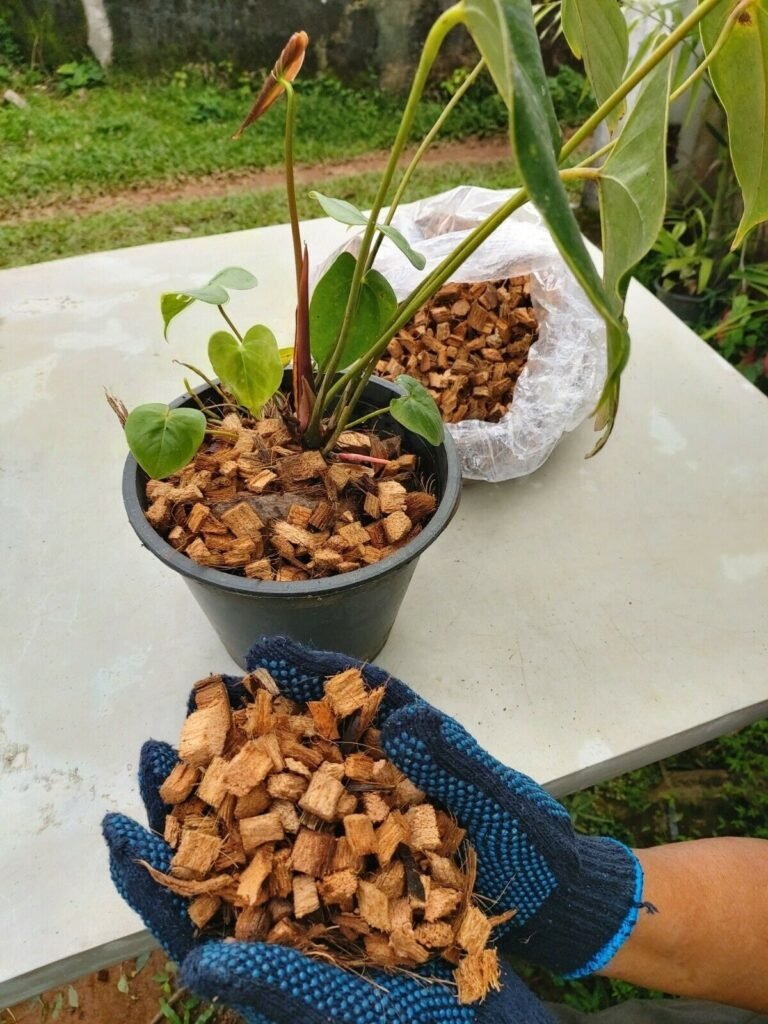
Chunky bark pieces improve drainage and airflow, especially for plants with thicker roots like orchids, philodendrons, and monsteras that grow in the wild attached to trees rather than buried in soil. Bark breaks down far more slowly than peat or coir, so mixes with a high bark content tend to need less frequent repotting, even though they hold noticeably less water between sessions.
Matching Soil To Plant Type
Succulents And Cacti
Cactus plants need fast-draining, gritty soil that mimics the arid, sandy environments they evolved in. A mix of two parts potting soil, one part coarse sand, and one part perlite works well for most varieties. Avoid mixes that hold too much moisture, since these roots rot easily in wet conditions, and a succulent sitting in a peat-heavy mix is one of the most common reasons these otherwise hardy plants die indoors.
Tropical Foliage Plants
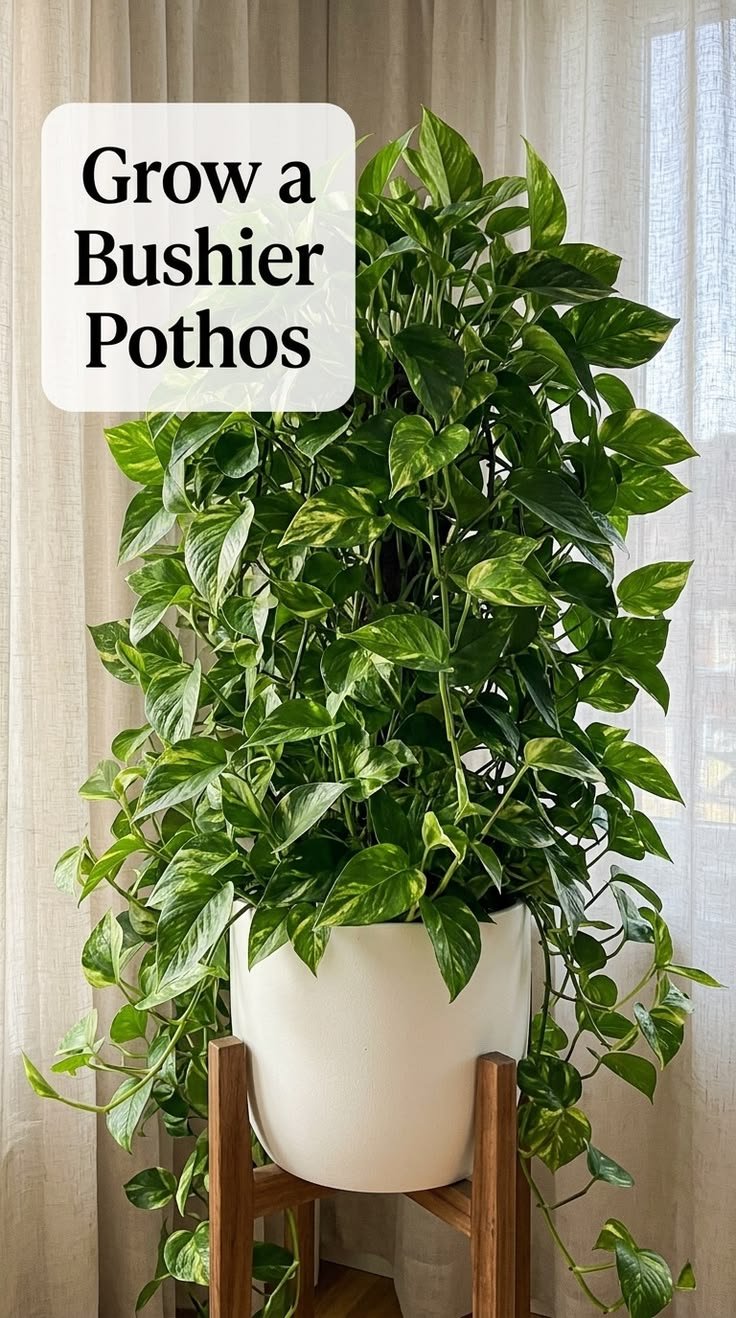
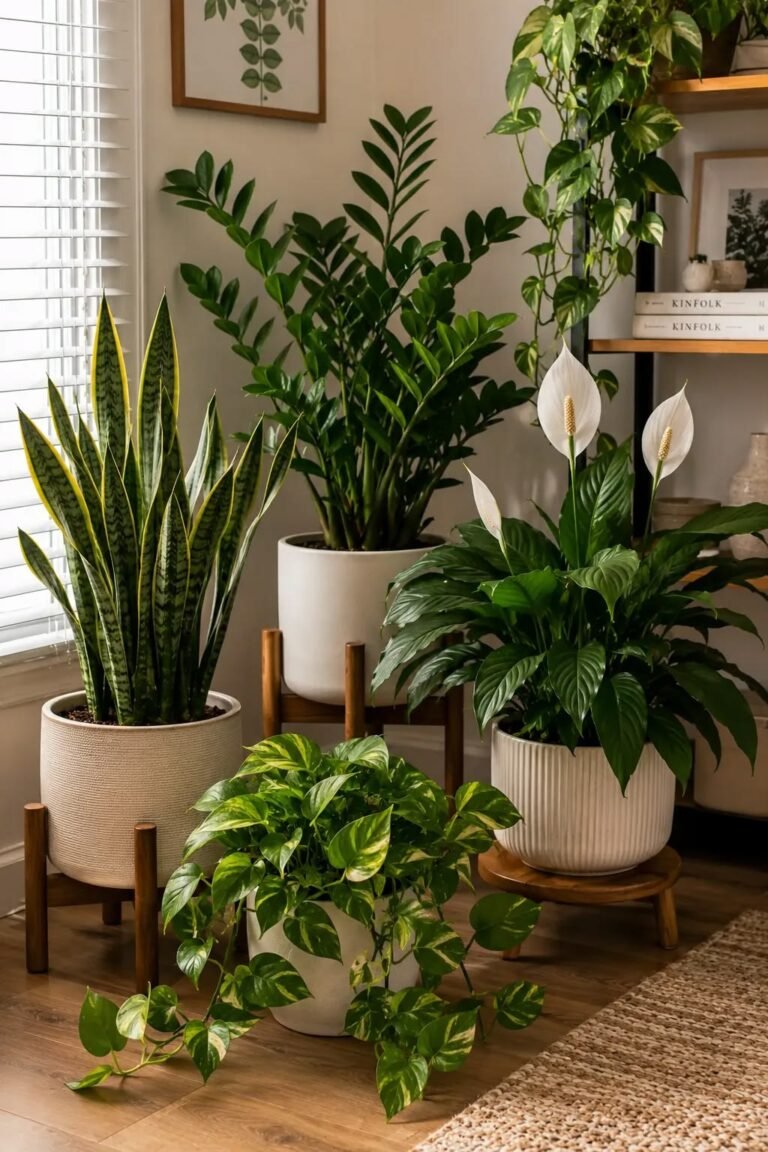
Pothos, philodendrons, and peace lilies do best in a well-draining but moisture-retentive mix that splits the difference between succulent soil and something built for ferns. A standard indoor potting mix with added perlite for drainage works for most of these plants, and this category covers the majority of common houseplants sold at garden centers today.
Ferns And Calatheas
These plants prefer soil that holds moisture without becoming soggy, since their fine root systems dry out and become crispy far faster than a pothos or snake plant would under the same conditions. A mix with extra peat moss or coco coir, combined with perlite for aeration, keeps the roots consistently moist without drowning them.
Orchids
Orchids do not grow in regular potting soil at all, and planting one in a standard houseplant mix is one of the fastest ways to kill it. They need a chunky bark-based mix that allows air to reach the roots, since these are epiphytic plants that naturally grow attached to trees rather than in soil, absorbing moisture from humid air and rainfall rather than a moist root zone.
Succulents In Terrariums
Closed or semi-closed terrariums need extra drainage layers, since evaporation is slower in an enclosed space and excess water has nowhere to escape to. A layer of gravel or activated charcoal beneath the soil helps prevent standing water at the roots, and the charcoal layer specifically helps control odor and bacterial growth in a sealed environment.
Why Water Sometimes Runs Straight Through Dry Soil
This is a detail most soil guides never mention, but it explains a huge number of houseplant deaths that get blamed on underwatering. When peat-based potting mix dries out completely, it can become hydrophobic, meaning it actively repels water instead of absorbing it. Pour water onto bone-dry, peat-heavy soil, and you will often see it bead up on the surface or run straight down the gap between the soil and the pot wall, draining out the bottom within seconds. To someone watering normally, this looks like the plant just got watered. In reality, the root ball stayed completely dry, and the plant continues to decline even though you are watering it on schedule.
If you notice water draining almost instantly after you pour it, or you can see a visible gap between the soil and the inside of the pot, your soil has likely gone hydrophobic. The fix is to set the pot in a basin of room-temperature water so it can soak from the bottom for twenty to thirty minutes, allowing the moisture to work its way up through the root ball rather than trying to push down through a repellent surface. Gently poking a few holes into the dry soil with a chopstick or skewer before soaking also helps break up the barrier faster. Mixes with a higher coco coir content are naturally less prone to this problem than peat-heavy mixes, which is one more reason coir has become popular among experienced growers.
Should You Add Mycorrhizal Fungi To Your Mix?
Mycorrhizal fungi are beneficial organisms that form a relationship with plant roots, effectively extending the root system’s reach and improving its ability to absorb water and nutrients from the surrounding soil. Some potting mixes now come pre-inoculated with these fungi, and powdered inoculants can also be mixed in by hand or sprinkled directly onto roots during repotting. The benefit is most noticeable in plants that are repotted often or grown in fairly sterile soilless mixes, since these environments tend to lack the natural microbial life found in outdoor soil. It is not a required step for healthy houseplants, but it is a low-cost addition that many growers use as extra insurance during repotting, particularly for slower-growing or finicky species.
Soil Considerations For Self-Watering Pots And Semi-Hydroponics
Self-watering pots rely on a reservoir at the base that wicks moisture upward into the soil, and this changes what kind of mix works well. A very light, fast-draining mix can struggle to wick water effectively, so slightly denser mixes with a higher percentage of coco coir or peat tend to perform better in these containers. Some growers skip soil altogether and move certain plants into semi-hydroponic setups using LECA, or lightweight expanded clay aggregate, which holds no organic matter at all and relies entirely on a water reservoir and liquid fertilizer. This is a bigger shift than most soil guides mention, but it is worth knowing about if a particular plant keeps struggling in soil no matter what mix you try, since some root systems genuinely do better in a soil-free environment.
Signs Your Soil Needs To Change
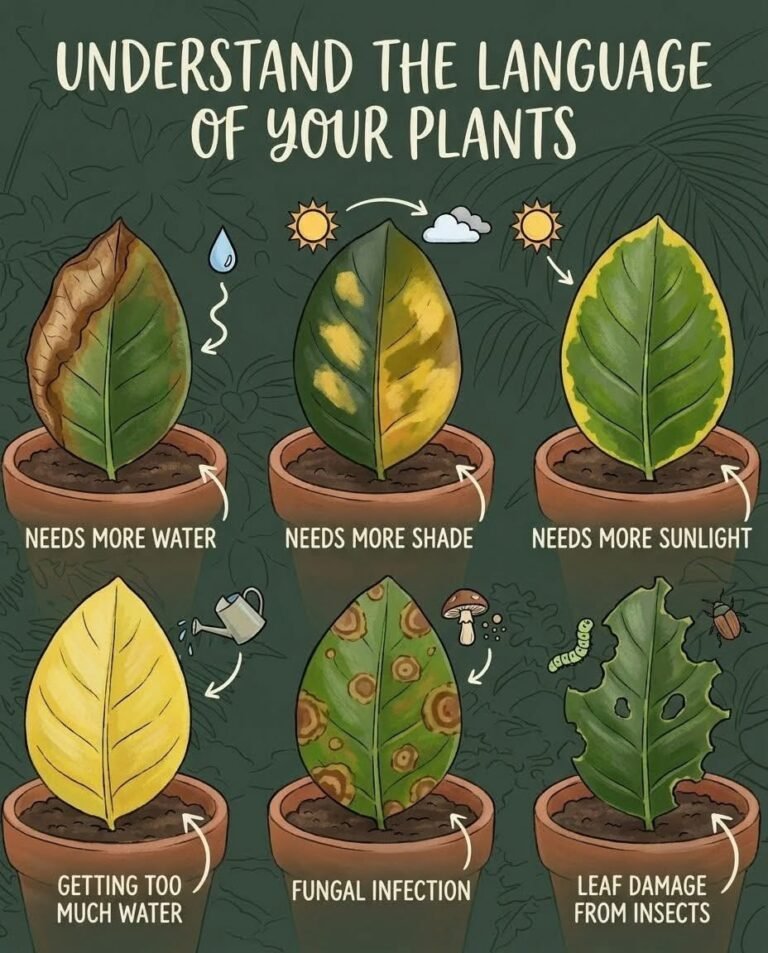
Water that pools on the surface and takes a long time to drain signals compacted or worn-out soil that has lost its structure over repeated waterings. Soil that pulls away from the pot’s edges and dries out fast no longer holds moisture properly, which is often the hydrophobic issue described above rather than a sign the plant needs more water. A sour or musty smell coming from the pot often means the soil has broken down and needs replacing, since decomposing organic matter starts to smell distinctly different from fresh potting mix. Visible mold or fungus gnats hovering around the soil surface point to soil that stays too wet for too long, usually because the mix has broken down and lost the aeration it once had.
How Often Should You Repot With Fresh Soil
Most houseplants benefit from fresh soil every 12 to 18 months, even if the pot itself does not need to get any bigger. Fast-growing plants may need it sooner, sometimes as often as once a year, while slow growers like snake plants and ZZ plants can go two to three years between soil changes without any noticeable decline. Repotting refreshes nutrients, breaks up compaction, and gives roots room to keep growing, and it also gives you a chance to inspect the root system for pests or rot that would otherwise go unnoticed underground.
How To Repot With New Soil
Gently remove the plant from its current pot and loosen the roots to remove old, compacted soil, working slowly so you do not tear healthy root hairs in the process. Trim away any roots that look brown, mushy, or dead, since leaving damaged roots in place can spread rot to the healthy sections nearby. Add a layer of fresh potting mix to the bottom of the new pot, then place the plant and fill in around the roots with more mix, pressing gently to remove large air pockets without compacting the soil too firmly. Water thoroughly after repotting to help the soil settle around the roots, and expect the plant to look slightly wilted or stressed for a few days as it adjusts.
The Role Of Soil pH
Most houseplants prefer a slightly acidic to neutral pH, generally between 6.0 and 7.0. Soil that is too acidic or too alkaline can block a plant’s ability to absorb nutrients, even if the nutrients are present in the soil, a problem known as nutrient lockout. This is why a plant can show every sign of a nutrient deficiency even after regular fertilizing, since the issue is not a lack of nutrients but an inability to take them up. A basic pH testing kit can help you check and adjust your mix if plants show signs of nutrient deficiency despite regular feeding, and adjusting pH is often a faster fix than changing the fertilizer itself.
Diy Potting Mix Recipes
For general houseplants, combine two parts potting soil, one part perlite, and one part compost. For succulents and cacti, combine two parts potting soil, one part coarse sand, and one part perlite. For orchids, use a mix of bark chips, sphagnum moss, and a small amount of perlite. For ferns and moisture-loving plants, combine two parts potting soil, one part peat moss or coco coir, and one part perlite. Mixing your own soil gives you control over the exact ratio for each plant, which is especially useful once you own enough different species that a single bagged mix no longer suits all of them.
Final Thoughts
Choosing the right soil is one of the most overlooked parts of indoor plant care, but it has one of the biggest effects on long-term plant health, often more than watering schedule or fertilizer choice. Soil is very important in plant growth, as it is the key factor to bring nutrients and water towards all parts of the plant. If it is not chosen wisely, your plant will suffer. So, match the mix to your plant type, watch for signs of compaction or hydrophobic soil, and refresh it on a regular schedule, and your houseplants will have everything they need to grow strong roots and healthy leaves for years to come.
Frequently Asked Questions
Can I Reuse Old Potting Soil?
Reusing soil is possible if it is refreshed with compost and perlite to restore nutrients and drainage. However, soil that has held a diseased or pest-infested plant should be discarded rather than reused, since pathogens and pest eggs can survive in dry soil for months.
Why Does My Soil Stay Wet For Days After Watering?
This usually means the mix lacks enough perlite or drainage material, or the pot itself does not drain well. Adding more perlite or repotting into a container with drainage holes usually solves the issue within one or two waterings.
Do All Houseplants Need The Same Type Of Soil?
No. Succulents need fast-draining gritty soil, while ferns and tropical plants need soil that holds more moisture. Orchids need a completely different bark-based mix rather than traditional potting soil, and using the wrong category of mix is one of the most common reasons a particular plant struggles no matter how carefully it is watered.
How Do I Know If My Soil Has Gone Bad?
Soil that smells sour, drains poorly, or has visibly broken down into a dense, compacted texture has likely lost its structure and needs replacing rather than reused.
Is Potting Mix The Same As Garden Soil?
No. Potting mix is specifically formulated to be lighter and better draining for container growing, while garden soil is too dense and can introduce pests or disease indoors.