
Indoor Plant Fertilizer Guide: How And When To Feed Houseplants
Indoor Plant Fertilizer Guide
Soil only holds a limited supply of nutrients, and container plants use those nutrients up over time in a way that plants growing in open ground never have to deal with. Fertilizer replaces what gets depleted, giving plants what they need to grow strong leaves, roots, and stems long after the nutrients that came with their original potting mix have been used up or washed away. A lot of houseplant problems that get blamed on light or watering are actually a slow nutrient decline that built up over months. This guide covers everything you need to know about feeding houseplants correctly, including a few details that most fertilizer guides leave out entirely.
Why Houseplants Need Fertilizer
Unlike plants growing in the ground, houseplants cannot pull fresh nutrients from a wide area of soil, send roots deeper in search of minerals, or benefit from the natural decomposition happening in an outdoor ecosystem. They rely entirely on what is in their pot, and that supply is finite from the day they are potted. Watering also gradually washes nutrients out through the drainage holes every time excess water flows through, a process called leaching that slowly strips the soil of what it started with. Without regular feeding, plants slow their growth, lose leaf color, and become more vulnerable to pests and disease, since a nutrient-starved plant has fewer resources to defend itself.
Understanding the Big Three: N-P-K
Every fertilizer label lists three numbers representing nitrogen, phosphorus, and potassium, usually printed in that order and separated by dashes. Nitrogen supports leafy green growth and gives plants their vibrant color, which is why nitrogen deficiency shows up first in older, lower leaves. Phosphorus supports root development and flowering, making it especially important for plants grown for their blooms rather than their foliage. Potassium supports overall plant health and helps regulate water movement within the plant, playing a role closer to general resilience than visible growth.
A balanced fertilizer, often labeled something like 10-10-10, provides equal amounts of each and works reasonably well as a one-size-fits-all option. Foliage plants often do well with a nitrogen-heavy formula, since their entire appeal is lush green leaves rather than blooms, while flowering plants benefit from higher phosphorus to support bud development. Reading the label is worth the extra minute, since a fertilizer built for lawns or vegetable gardens is usually far too concentrated for a houseplant and can cause more harm than good.
Micronutrients Beyond N-P-K
Most fertilizer guides stop at nitrogen, phosphorus, and potassium, but houseplants also need smaller amounts of micronutrients like iron, magnesium, and calcium to stay healthy, and a plant can look deficient even when its N-P-K levels are perfectly fine. Iron deficiency shows up as yellowing between the leaf veins while the veins themselves stay green, a pattern called interveinal chlorosis that is especially common in plants grown in soil with a pH that is too high for the roots to access iron properly. Magnesium deficiency causes a similar yellowing pattern but tends to appear on older leaves first and can sometimes be corrected with a diluted Epsom salt solution, since Epsom salt is essentially magnesium sulfate. Calcium deficiency is less common but can cause distorted new growth or weak stems, since calcium plays a structural role in cell walls rather than a purely nutritional one. A fertilizer labeled as complete or one that lists trace elements on the packaging is covering these micronutrients, while a basic N-P-K-only formula is not.
Types Of Fertilizer For Houseplants
There are various types of fertilizers, which are discussed below one by one
Liquid Fertilizer
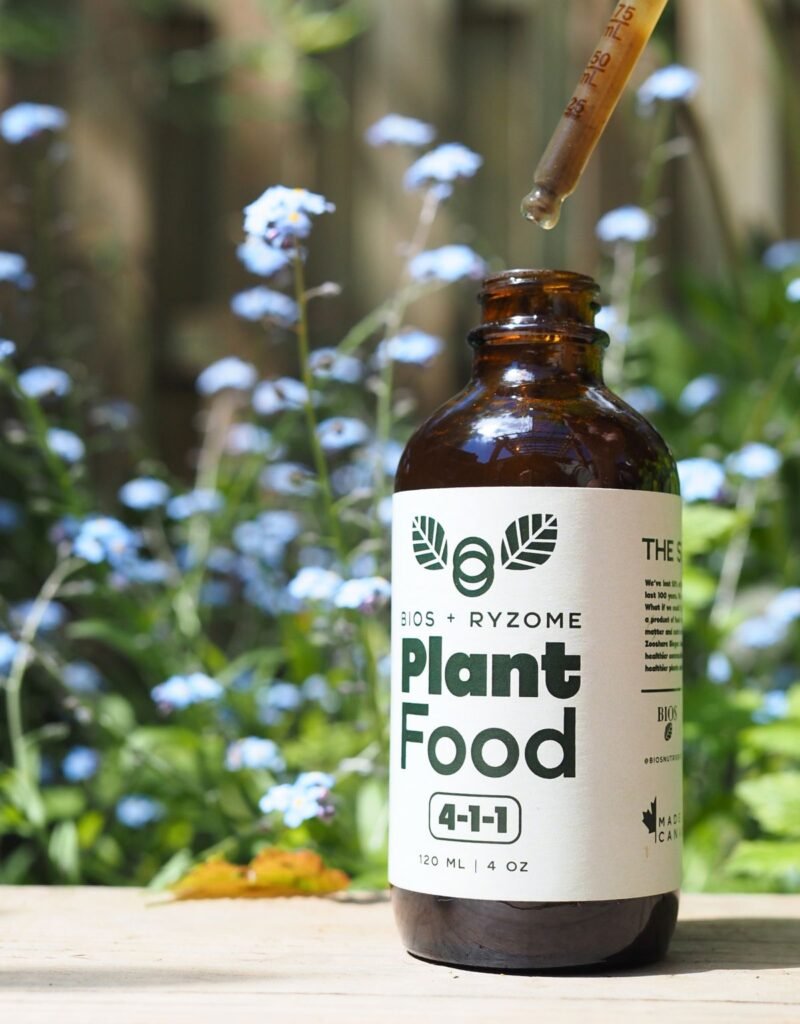
Liquid fertilizer is diluted in water and applied during regular watering, making it the most common option for houseplant owners who already have a routine built around watering. It acts quickly since nutrients are immediately available to the roots as soon as it is applied. This makes it easy to control the exact amount a plant receives, though it needs to be reapplied more often than other types, typically every two to four weeks during active growth.
Granular Fertilizer
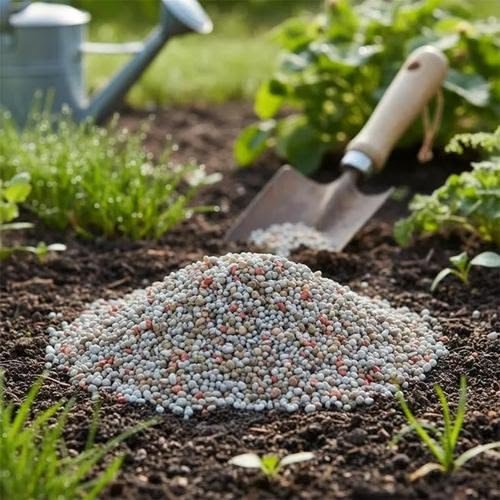
Granular fertilizer is mixed into the soil and releases nutrients gradually as it breaks down with each watering. It requires less frequent application but can be harder to control in terms of exact dosage, since it is easy to add slightly too much when working with small pellets rather than a measured liquid.
Slow-Release Fertilizer
These small pellets release nutrients over weeks or months, making them convenient for people who do not want to remember a regular feeding schedule or who tend to forget routine plant care tasks. They are added directly to the soil surface or mixed in during repotting, and a single application can sometimes carry a plant through an entire growing season.
Organic Fertilizer
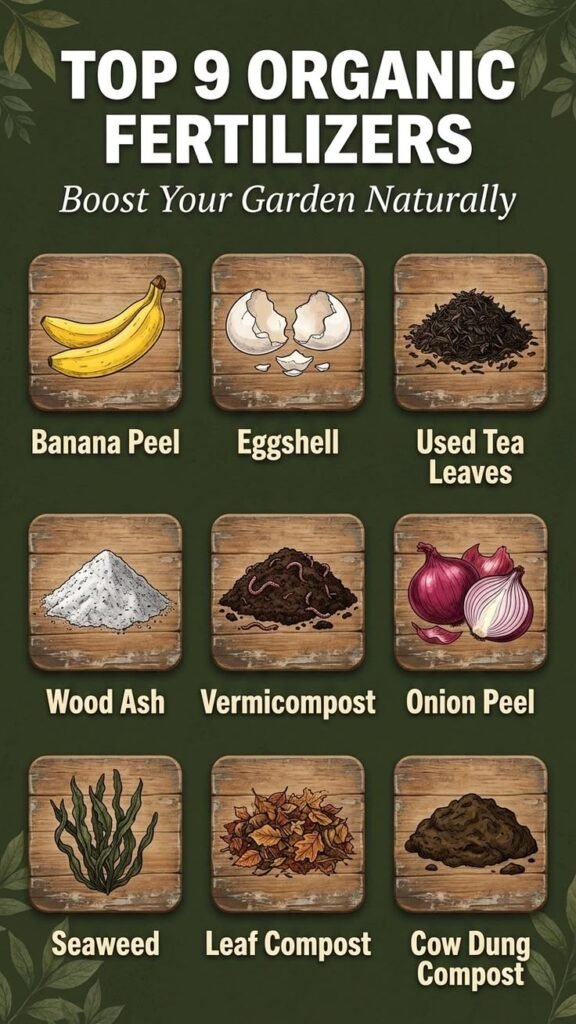
Options like worm castings, compost, and fish emulsion release nutrients slowly and improve soil health over time by supporting the same beneficial microbial activity that healthy outdoor soil relies on. These are gentler than synthetic fertilizers and less likely to cause root burn, though they act more slowly and are harder to dose with precision compared to a bottled liquid formula.
Do You Want Natural Fertilizers?
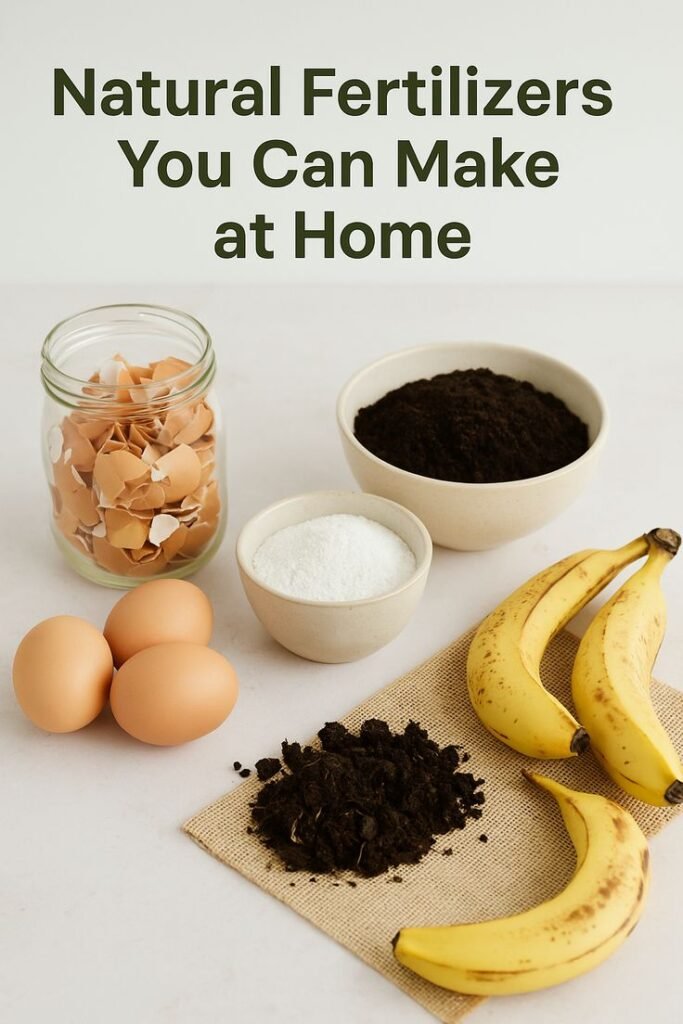
Stop buying expensive chemicals and stop wondering what’s in your plant food! Discover Natural Fertilizers You Can Make at Home: Your Guide to Eco-Friendly Plant Power and creating the ultimate Organic Fertilizer Balcony setup in 2025. We break down 3 crucial DIY secrets: The Banana Peel Power Hack (Potassium Boost), The Coffee Grounds Strategy (Nitrogen & Acidity), and The Eggshell Solution (Calcium for Strong Growth). You don’t need complicated recipes. Learn how to repurpose kitchen waste into potent, natural fertilizers, drastically improving soil health, promoting vibrant blooms, and ensuring a truly sustainable balcony garden.
Foliar Feeding: An Extra Boost Most Guides Skip
Foliar feeding means applying a heavily diluted liquid fertilizer directly onto the leaves as a fine mist rather than pouring it into the soil, allowing the plant to absorb a small amount of nutrients directly through its leaf surface. This is not a replacement for regular soil feeding, but it can give a stressed or slow-growing plant a quick boost during the active growing season, since leaf absorption happens faster than nutrients traveling up through the root system and stem. Foliar feeding works best early in the morning, since leaves absorb more effectively before the heat of the day and there is less risk of leaf burn from concentrated droplets sitting in direct sun. It should always be done at a much weaker dilution than a normal soil feeding, since leaf tissue is far more sensitive to fertilizer salts than roots surrounded by soil.
How Light Levels Change What Your Plant Can Use
Fertilizer and light are more connected than most people realize. A plant uses fertilizer to fuel growth, but growth itself is powered by photosynthesis, which depends on light. A plant sitting in a low-light corner is not growing much regardless of how well it is fed, so feeding it on the same schedule as a plant in bright, indirect light can lead to a nutrient buildup the plant has no way to use. This is one of the most overlooked causes of fertilizer burn in houseplants. If a plant’s light conditions are weak, it is worth cutting the fertilizing frequency in half rather than following a generic schedule meant for plants in ideal light.
How Often Should You Fertilize Indoor Plants
Most houseplants benefit from feeding every two to four weeks during spring and summer, when they are actively growing and able to use the nutrients you provide. During fall and winter, growth slows significantly, and fertilizing should be reduced or stopped entirely for most species, since a dormant plant is not pulling nutrients from the soil the way it does during active growth. Feeding a dormant plant can cause fertilizer salts to build up in the soil, which damages roots instead of helping them, and this single mistake accounts for a large share of winter houseplant decline.
Succulents and cacti need much less frequent feeding, often just once every six to eight weeks during the growing season, since their slower overall growth rate means they simply cannot use nutrients as quickly as a fast-growing tropical plant. Fast-growing tropical plants like pothos and philodendrons can handle feeding every two weeks during peak growth, and heavy feeders like Monsteras or Alocasias often show visibly faster growth when fed on the more frequent end of that range.
What Are The Signs Of Nutrient Deficiency
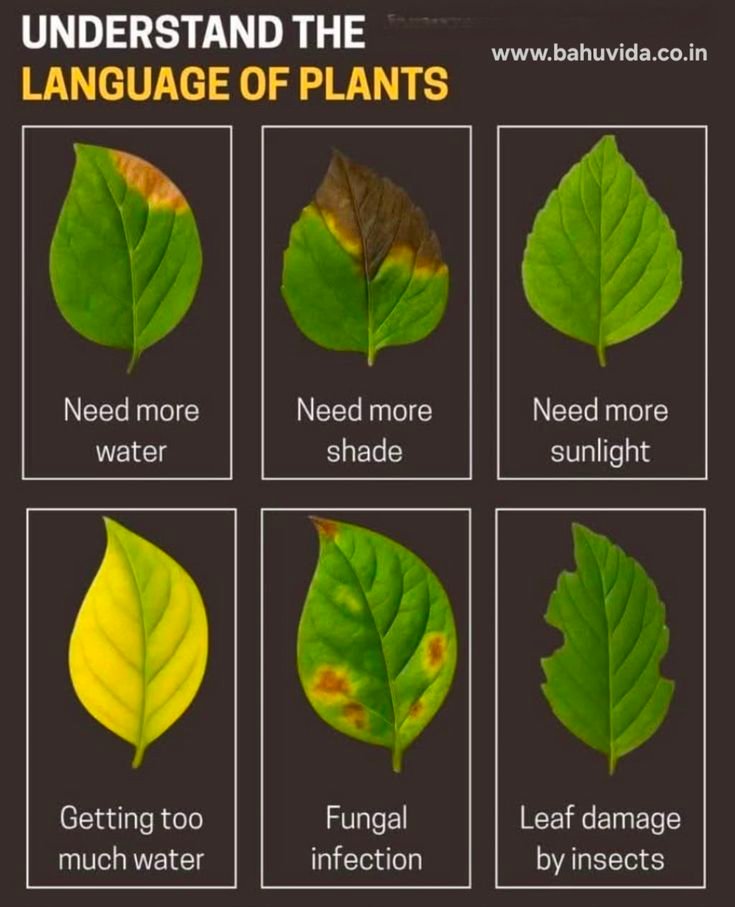
Pale or yellowing leaves, especially older lower leaves, often signal a nitrogen deficiency, since a nitrogen-starved plant will pull what little it has from older leaves to support new growth. Purple or dark discoloration on leaves can point to a phosphorus deficiency, particularly in plants that are otherwise healthy but not flowering as expected. Brown, scorched-looking leaf edges may indicate a potassium deficiency, which can sometimes be mistaken for underwatering since the visual symptoms look similar. Slow or stunted growth despite adequate light and water often means the plant simply needs feeding, especially if it has not been repotted or fertilized in over a year.
Signs Of Overfertilizing
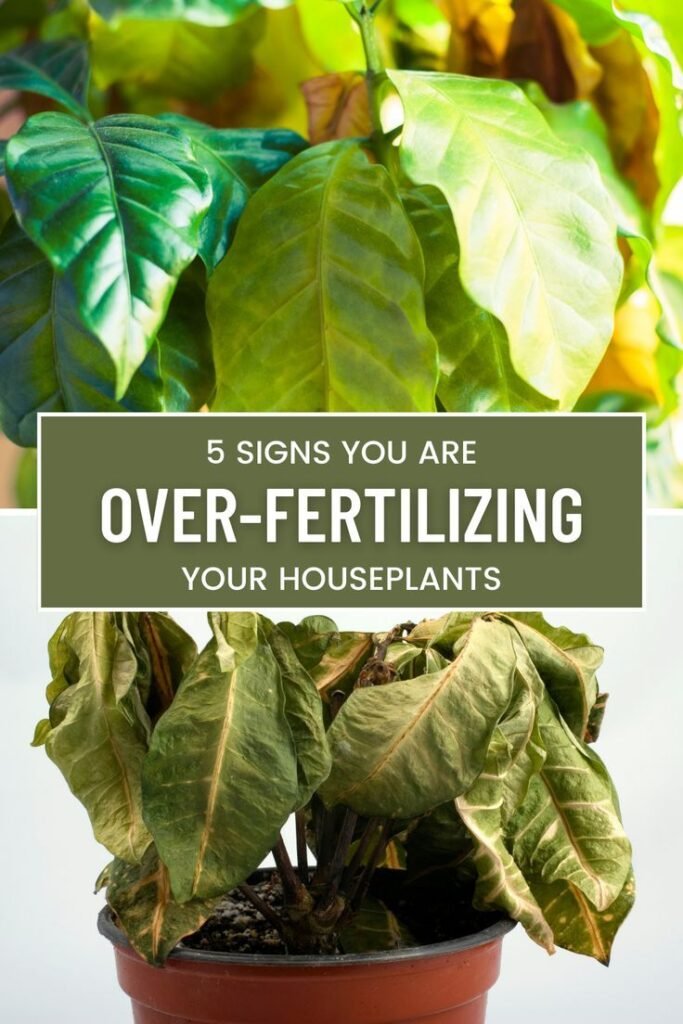
Overfertilizing is more common than deficiency and can be just as damaging, since it is easy to assume that more fertilizer means faster growth. A white, crusty buildup on the soil surface or around drainage holes indicates salt buildup from too much fertilizer accumulating faster than watering can wash it away. Brown, crispy leaf tips and edges, even when watering is consistent, often point to fertilizer burn rather than a humidity or watering issue. Wilting despite moist soil can also signal that roots have been damaged by excess fertilizer salts, since burned roots lose their ability to absorb water properly even when it is available.
How To Flush Excess Fertilizer From Soil
If you suspect a buildup of fertilizer salts, flush the soil by running water through the pot slowly until it drains freely from the bottom, repeating two to three times so the water has a chance to dissolve and carry away accumulated salts rather than just passing through the same channels. This helps wash out excess salts sitting in the soil around the root zone. Let the pot drain fully afterward and hold off on fertilizing for at least a month, giving the roots time to recover before introducing more nutrients.
Does Water Quality Affect Fertilizer Performance?
Tap water in many areas already contains dissolved minerals like calcium and magnesium, and hard water in particular can interact with fertilizer in ways that are easy to overlook. Using hard water consistently alongside regular fertilizing can accelerate mineral buildup in the soil, since the water itself is adding to the load the fertilizer is already contributing. If you notice white crusty deposits forming faster than expected even with a careful fertilizing schedule, your water hardness may be part of the cause rather than the fertilizer alone. Letting tap water sit out for 24 hours before use does not remove dissolved minerals, but it does allow chlorine to dissipate, which is a separate but related step some growers take to protect sensitive root systems.
Fertilizing Newly Repotted Or Struggling Plants
Avoid fertilizing plants immediately after repotting. Fresh potting mix already contains some nutrients, and roots need time to settle before they can properly absorb additional feeding without becoming stressed or burned. Wait at least four to six weeks after repotting before starting a fertilizing routine again, giving the root system time to recover from the disturbance of being moved.
Struggling or stressed plants should also not be fertilized. If a plant is wilting, losing leaves, or recovering from pest damage, feeding it can add further stress rather than help, since a weakened root system has a harder time processing added nutrients. Focus on stabilizing the plant first, then reintroduce fertilizer once new growth appears as a sign the plant has stabilized and is ready to use additional nutrients again.
Dilution Matters More Than Frequency
A common mistake is applying fertilizer at full strength as often as the label suggests, since most product labels are written with a wide margin of error that assumes outdoor or greenhouse conditions rather than a houseplant sitting in a small pot. Many experienced growers dilute liquid fertilizer to half- or even quarter-strength and apply it more frequently, a method sometimes called “weakly weekly.” This steady, gentle approach reduces the risk of burning roots while still supplying consistent nutrients, and it tends to produce steadier growth than the feast-and-famine pattern of full-strength monthly feeding.
Frequently Asked Questions
Can I Use Outdoor Garden Fertilizer On My Houseplants?
Outdoor fertilizers are often formulated at higher strengths meant for larger soil volumes and open-ground drainage. Using them on houseplants can easily cause fertilizer burn, so it is best to use a product labeled specifically for houseplants.
Do Succulents Need Fertilizer?
Yes, but far less often than other houseplants. Feeding once every six to eight weeks during the growing season is usually enough, and feeding more than that can actually push a succulent into leggy, weak growth.
Is It Bad To Fertilize A Plant That Is Not Actively Growing?
Yes. Fertilizing a dormant plant does not help growth and can lead to salt buildup in the soil, which damages roots over time even though nothing looks wrong at first.
What Happens If I Never Fertilize My Houseplants?
Plants will gradually use up the nutrients already in their soil, leading to pale leaves, slow growth, and weaker overall health over time, even if watering and light stay perfectly consistent.
Can Too Much Fertilizer Kill A Plant?
Yes. Overfertilizing causes salt buildup that damages roots, leading to leaf burn, wilting, and, in severe cases, plant death, which is why diluting to half-strength is generally safer than following label instructions exactly.
Final Thoughts
Fertilizing is about consistency and restraint, not maximum feeding. Match the fertilizer type and schedule to your plant’s growth stage, pay attention to light levels and water quality alongside the fertilizer itself, and watch for early signs of deficiency or excess. Do this consistently, and your houseplants will have the steady nutrients they need to thrive year-round.




One Comment