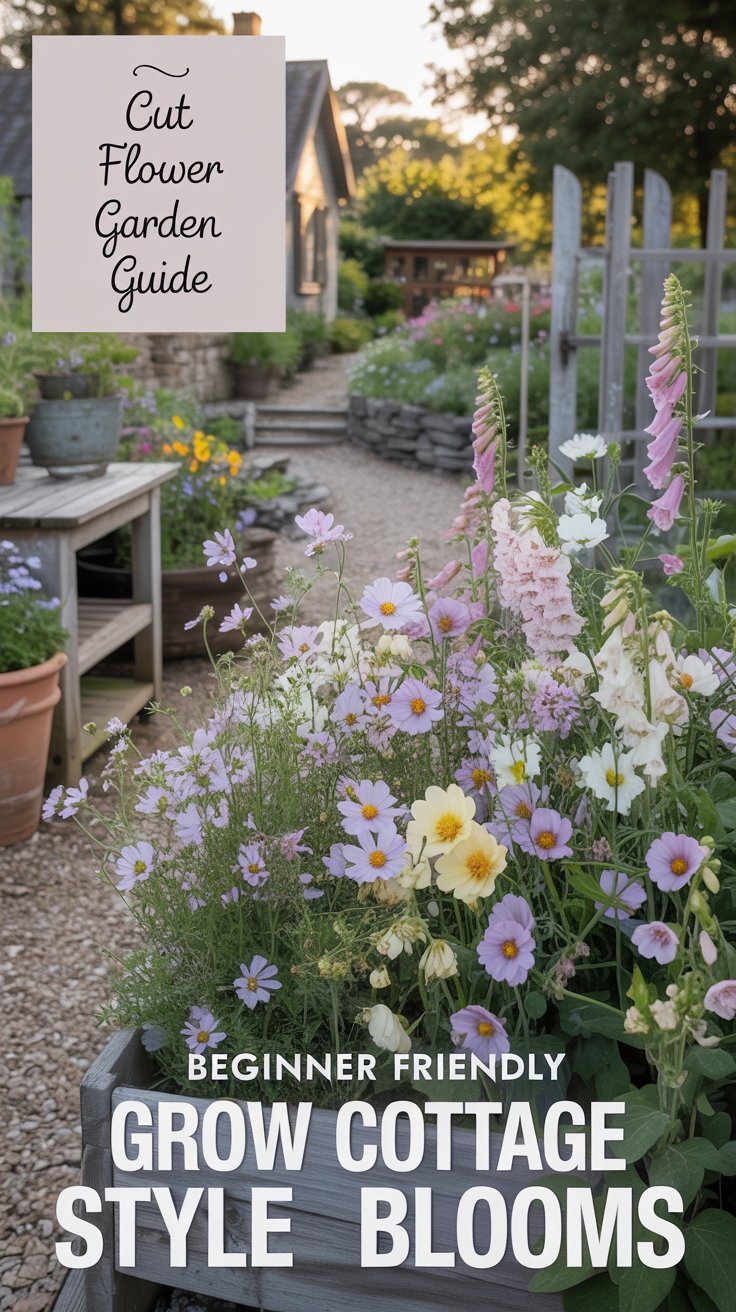
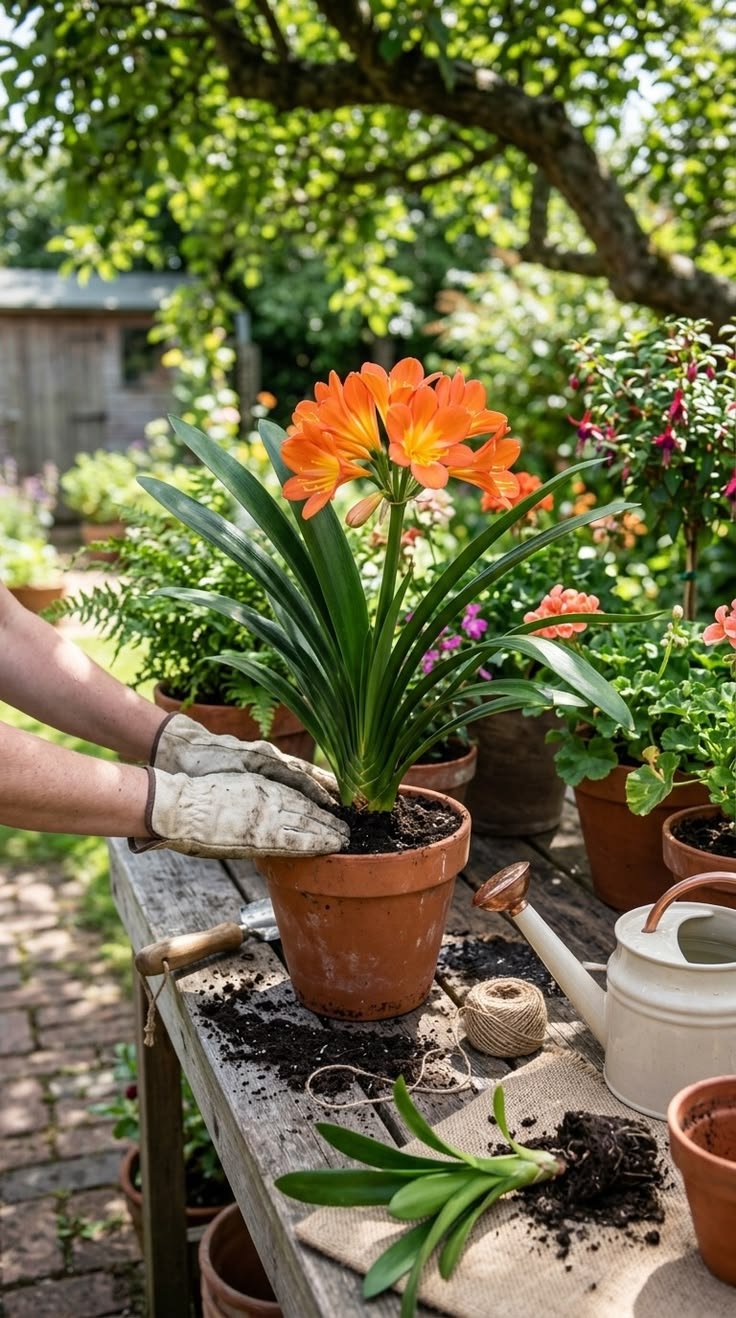
13 Outdoor Gardening Tips For Beginners
Are you the one thinking of a new garden? And wondering what to do and how to start it and where to start it? We will dive into the discussion of how to start a garden with different perspectives. Find 13 outdoor tips for sunshine, soil, spacing, and time management for successful growth, but you keep wondering how it would be nice to go on foot and choose to keep your tomatoes. That’s a good intuition. But there’s a huge difference between dreaming of a garden and practically building your own, and most beginners fall into the same trouble of ways: wrong spot, bad soil, too many weeds, or crops that never had a chance to mature before the season was over.
None of that has any information to do with talent. It’s just the right choice, and most of them get made in the first week long before anything actually starts growing. Here are 13 outdoor gardening tips for beginners that cover those early decisions, plus a few actions that make the rest of the season a lot less work. You don’t need all 13 on day one. Grasp the ones that fit your lawn and go from there.
1. Examine Your Garden Carefully Before You Buy Anything
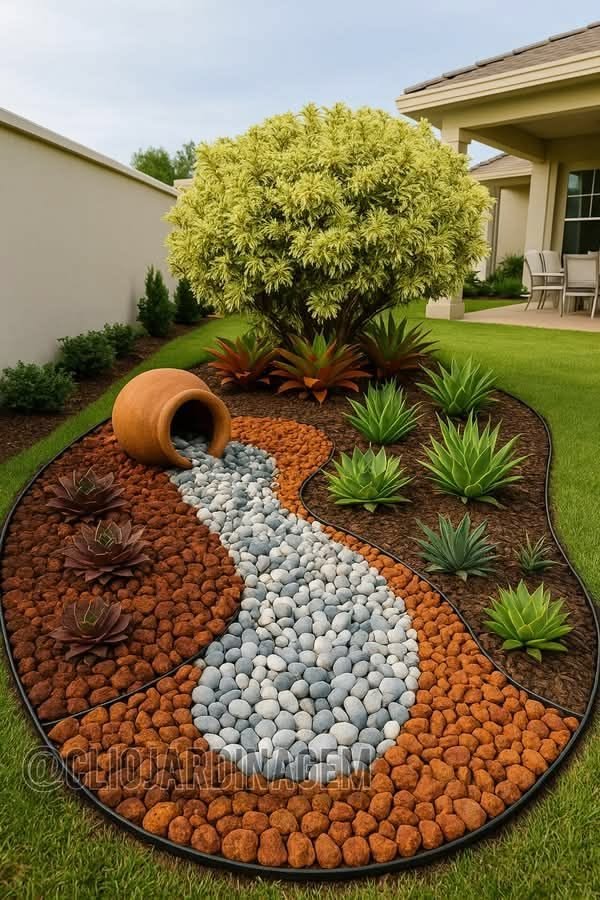
Skip the garden center run for now. Most vegetables need six or more hours of direct sun a day, and the only way to know if your yard gets that is to watch it for yourself. Check the space in the morning, at midday, and again in the late afternoon, and notice where the sun stays longest without trees, fences, or the house blocking it. This one step matters more than beginners expect. Rich soil, good fertilizer, and steady watering can’t make up for a spot that simply doesn’t get enough light.
Here’s a helpful sign to look for: if your yard has soft, moving shade through the day instead of one solid shadow, it’s likely getting more usable sun than it seems. And if part of your yard stays shaded most of the day, that’s not wasted space. Leafy greens like lettuce, spinach, and arugula, along with herbs like mint and cilantro, actually grow better away from strong afternoon heat. Pick plants that match the light you have, and even a shady yard can still give you a solid garden.
2. Garden Boxes Are The Shortcut If Your Soil Is Bad
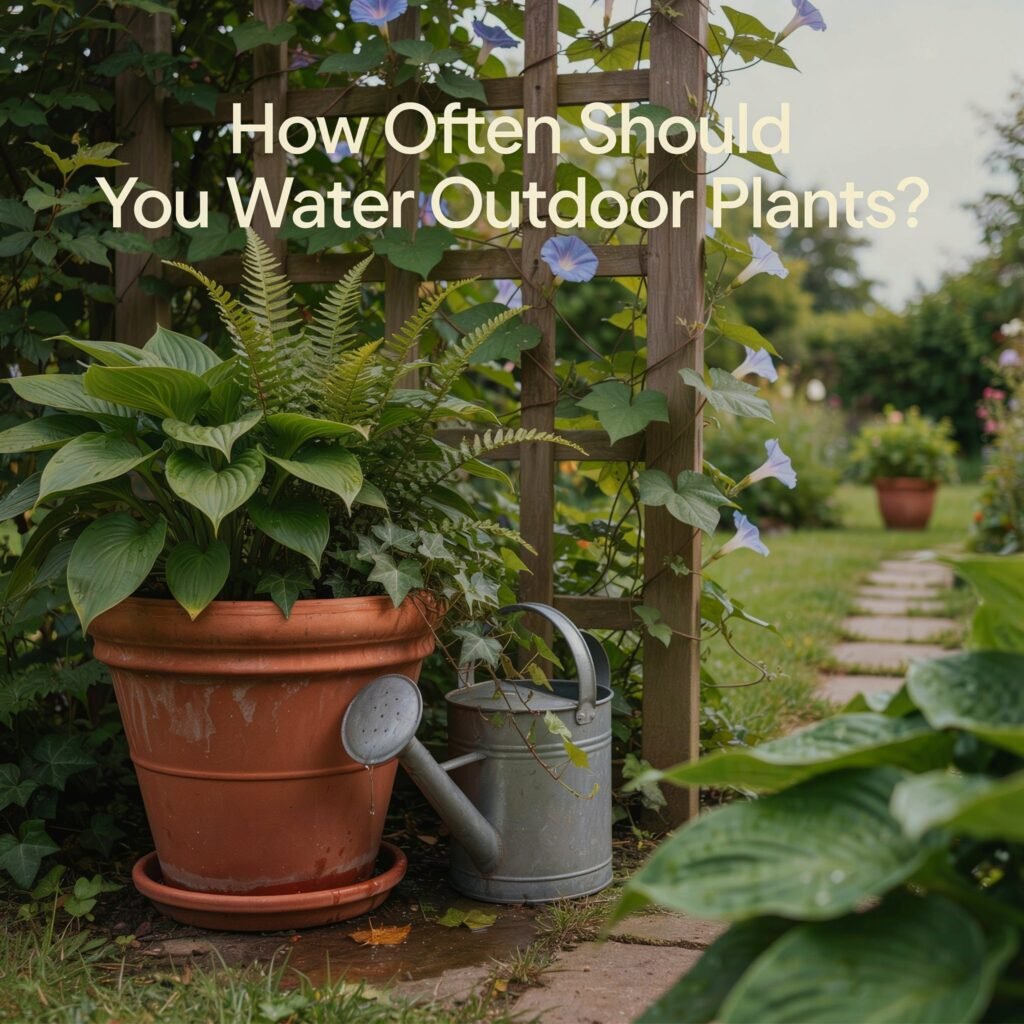
You can absolutely garden directly in the ground, but if your lawn has thick clay, a lot of rock, or dirt that turns to soup every time it rains, don’t waste a season fighting it. Build or buy a raised bed, fill it with a decent soil blend, and you’ve sidestepped the whole problem. As a bonus, raised beds warm up earlier in spring, which means you get a jump on planting. A basic kit is plenty for your first one. You can expand later once you know how much of this you actually enjoy.
3. Don’t Leave Empty Space Between Plants
There’s an old habit of spacing plants exactly as the seed packet says, but you can often plant them a little closer. When the leaves grow together, they cover the soil, block sunlight from weed seeds, and help the soil stay moist longer. It also makes the garden look fuller and more finished. So, one needs to not leave any space empty in order to keep soil wet by blocking light.
4. Plan Your Latticework Before Adding Soil
Climbing plants can be difficult to control if you don’t provide support from the start. They will expand and take up more breathing room as they are full-grown . Putting in a simple lattice or support early on can help maintain order . It doesn’t have to be luxurious or expensive; a few solid posts and some twine can work just as well as a store-bought trellis. The trick is to give your plants something solid to climb on as they mature. It will enlarge eventually if you skip this step. It doesn’t have to be fancy. A few stakes and some twine work just as well as something you’d buy.
5. Use Plants to Create a Natural Barrier
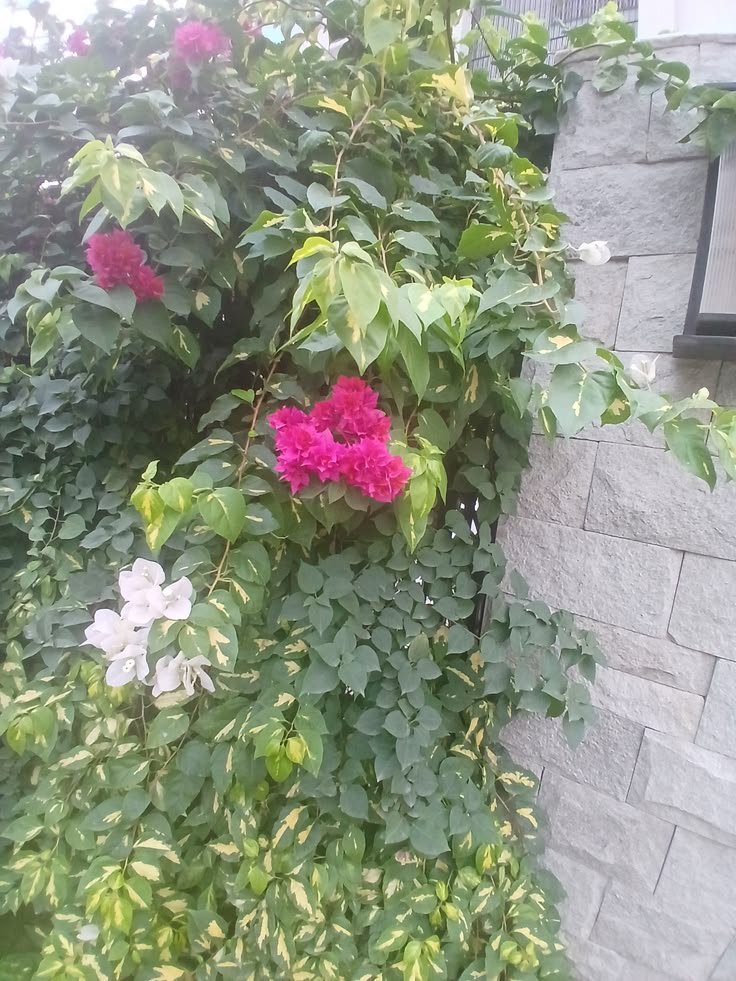
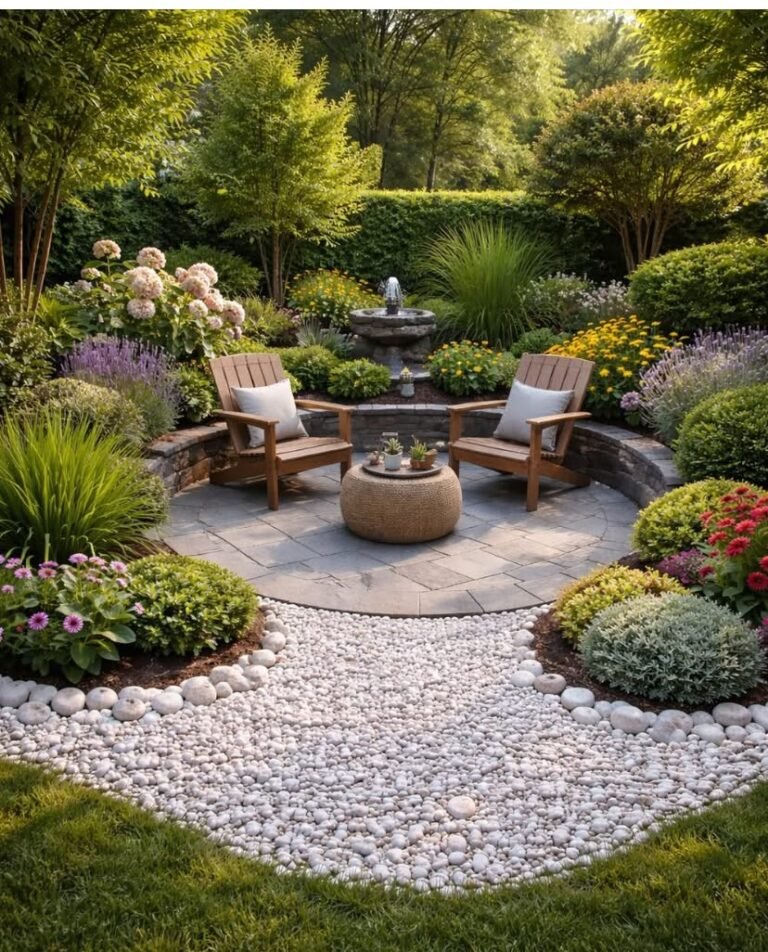
If you’re thinking about putting up a wall just to define the edge of your garden, think about planting one instead. A boundary of flowers, decorative grass, or a few shrubs to label the space is just as obvious as lumber and actually gets better looking every year instead of needing to be replaced. It also brings in bees and other pollen-bearers, which tends to mean better fruit on things like squash, cucumbers, and berries.
6. Cardboard Overcoming Plastic For Weed Control
Many new gardeners reach for that black plastic weed obstacle because it’s marketed as the easy fix. Skip it. It blocks water and air from reaching your soil, along with the weeds. Plain cardboard or brown paper does the same job of stifling weeds, then gives out eventually and actually feeds the soil instead of choking it. Squash, lay it under your mulch, and you’ll spend a lot less time on your knees pulling weeds by the summer solstice.
7. Schedule As One To Retain Dehydrated
Tomatoes and rosemary are not on the same hydrating page, and if you plant them together, one of them is going to get the short end of the stick no matter how careful you are. Group plants by their actual water needs so that you are able to set up a single watering routine for an entire section of the garden rather than having to remember the needs of each individual plant. It also makes problems easier to spot early, since a whole section will show stress all at once instead of one confusing plant in the middle of a healthy bed.
8. Not Ready To Dig? Begin With Pots
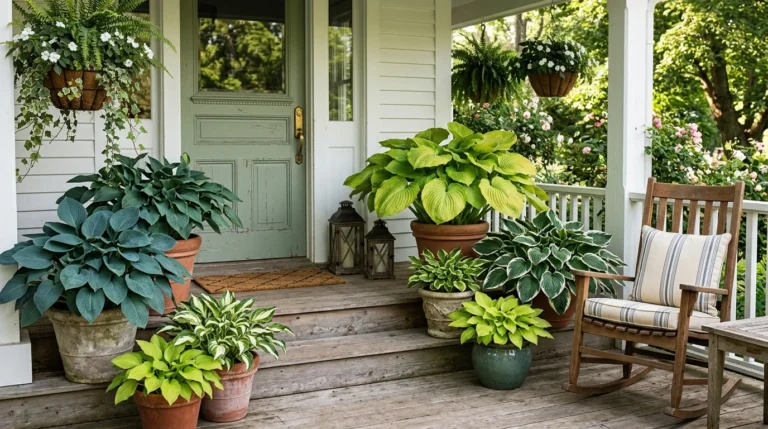
You don’t need a large garden to grow something safe to eat. Five or six big containers on a stoop or terrace can provide space for tomatoes, peppers, herbs, and greens, no digging, and very little initial outlay. It’s also a low-risk way to work out how much time you actually have to devote to this before you commit to anything bigger. Just don’t skimp on pot size. The number one reason container plants stall out and never really get going is a congested root system.
9. Shade Is Not A Problem, It Is A Chance
If part of your yard sees direct sun, don’t write it off. Lettuce, arugula, mint, and chives all do better with a break from full sun, and some of them lock and turn bitter fast once the afternoon heat hits them. A shady bed often gives you a longer pick window for greens than a clear one does. So instead of leaving that corner empty, put it to work.
10. Make Garden Paths Wide Enough to Walk Through Easily
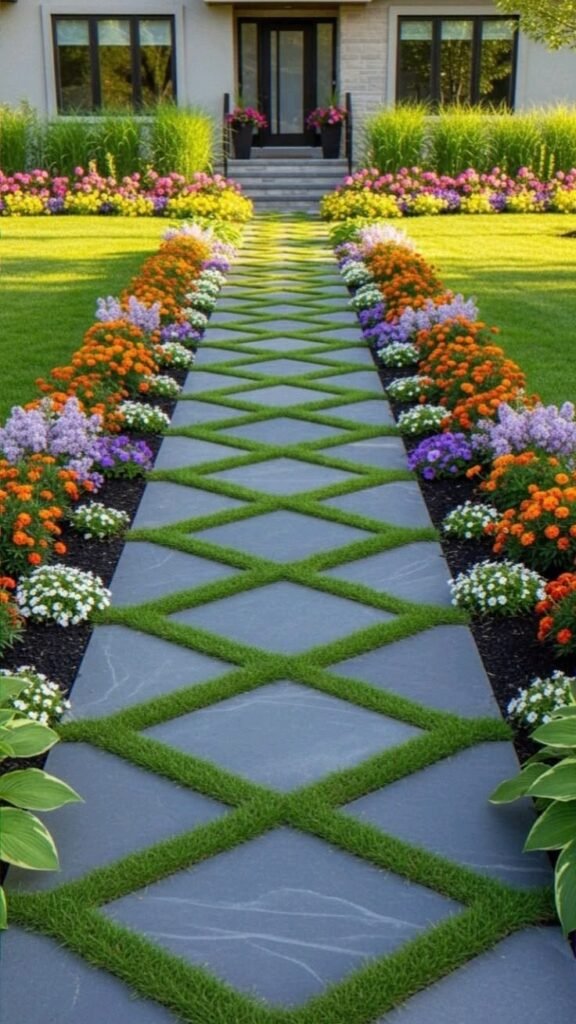
It’s easy to make your paths look nice on paper and then realize, once everything’s grown in, that you can barely squeeze through with a watering can, let alone a wheelbarrow. Aim for three feet between beds at minimum. Gravel, mulch, or stepping stones all work; pick whatever’s easiest for you to maintain. You’ll be glad you gave yourself the room the first time you’re hauling a full harvest basket out of there.
11. Launch Humification The Same Week You Start Planting
Soil quality is really the whole game in gardening, and manure is the cheapest way to keep improving yours season after season. You don’t need a fancy beaker or a dedicated bin system. A mass of kitchen compost, dry leaves, and grass trimmings in a back corner will slowly turn into something worth digging into your beds. Start it now, even before you’ve planted a thing, so it’s ready by the time your soil needs a boost.
12. Plant For Your Actual Climate, Not The Seed Envelope Best Guess
The planting dates on a seed envelope are a rough average, not a guarantee that’ll work for your lawn. Look up your area’s average last spring freeze and first fall frost, then count backward from there. A crop that needs 90 frost-free days to mature simply isn’t going to finish if your season is shorter than that, no matter how well you take care of it. This one check saves more disappointment than almost anything else on this list.
13. Write Down What You Performed, Even If It’s Just A Small Number Of Lines
You don’t need a beautiful garden diary with pressed flowers in it. A notes app or a cheap notebook is fine. Note down what you planted, when, what worked, and what didn’t. Next season, that record is worth more than any advice you’ll find online, because it’s specific to your actual yard, your actual soil, and your actual weather. A few lines a week is all it takes, and it adds up faster than you’d think.
You Don’t Need To Get It All Right The First Time
Nobody’s first garden is perfect, and honestly, most gardeners will tell you their best seasons came after a few rough ones taught them what their yard actually needed. The point of this list isn’t to eliminate every mistake. It’s to help you avoid the handful of early ones that make people quit altogether, planting in the wrong spot, fighting soil that was never going to cooperate, and losing the whole bed to weeds by June.
Pick a few of these that fit your space, get something in the ground this season, and adjust as you go. A small garden you actually keep up with defeats an aspiring one that gets away from you every single time.
FAQs
How deep should a raised garden bed be?
Most vegetable crops grow well in 10 or 12 inches of soil. Root vegetables such as carrots require 12 inches of soil depth to develop straight, whereas shallow root vegetable crops such as lettuce and herbs can survive with 6 inches of soil height in case the raised bed is installed above native soil.
How can I determine when the last frost will happen in my location?
You can find out your zip code’s last frost dates on the website of NOAA or the Old Farmer’s Almanac and use the historical weather information. Take the date as an average 50-50 chance and wait another week or two after the date if you know that there have been late frosts in your region.
Will composting in a small backyard attract insects?
It will not happen if you exclude meat, dairy products, and oil and cover fresh organic waste with a layer of dry leaves or straw. The closed composting bin will function better in a small backyard in comparison with the open compost heap and will be turned once a week or two.
Is crop rotation necessary for a small home garden?
Crop rotation is less important on a small scale than in agriculture, but it is better to avoid growing tomatoes, peppers, and eggplants in the same place for two seasons in a row. These vegetables suffer from the same diseases, and it is enough to change the plant family from year to year.
What is the main difference between topsoil and compost?
Topsoil is the soil that consists mainly of minerals and is deprived of organic substances and nutrients. Compost is the organic material that provides feeding for the soil flora and fauna and supplies nutrients.