
Explore A Complete Guide To Growing Healthy Plants Outside! Outdoor Gardening
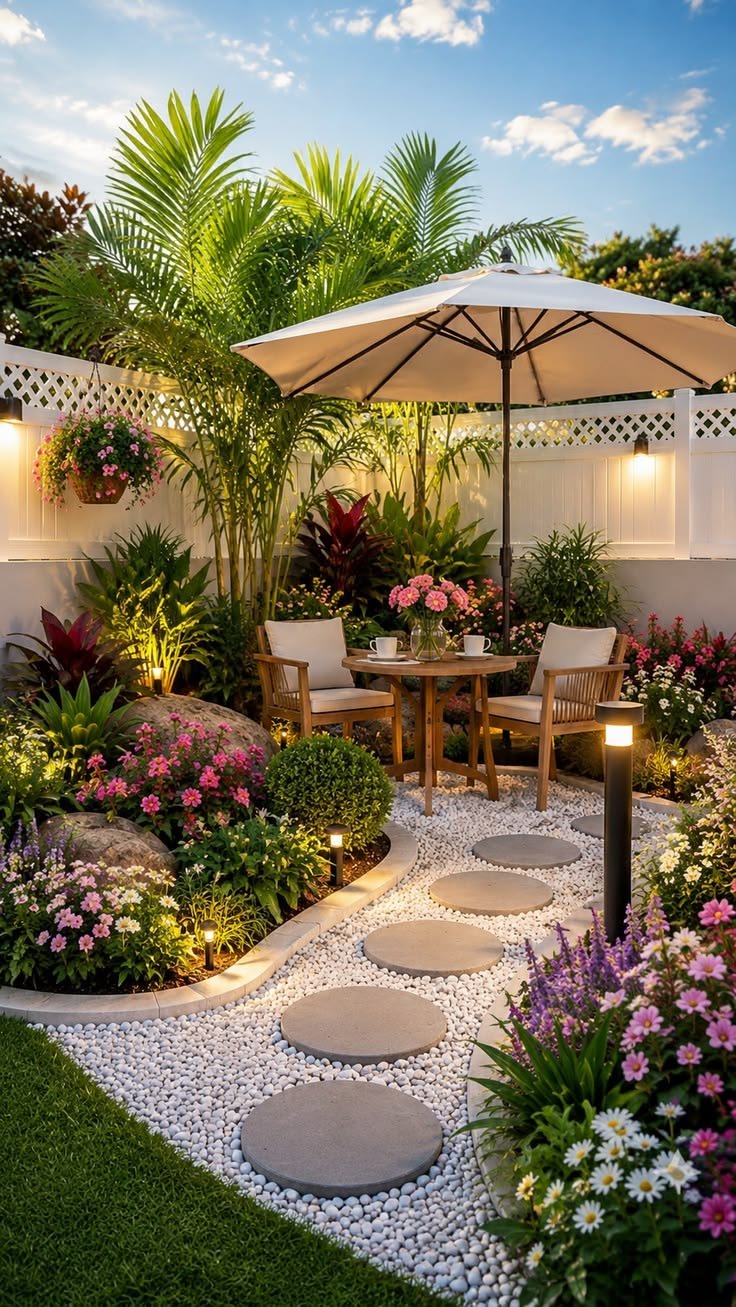
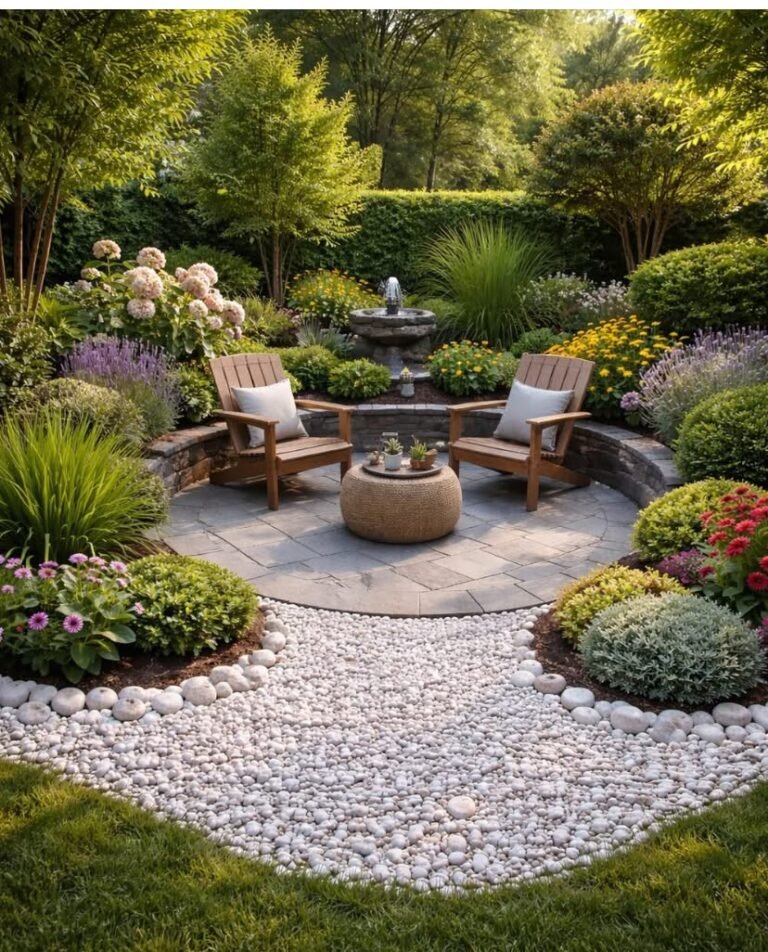
Outdoor gardening rewards patience, but it punishes guesswork. Gardening is a wonderful task in all aspects, as it is a healthy activity in itself, and it nourishes the soul, mind, and body. When it comes to outdoor gardening, it gives an ornamental touch to your house, office, or any residence. Besides, with an oxygen supplement, outdoor gardening is a way to soothe life with colorful flowers and lush green colors of plants in various ways. In the morning, it makes a cooler and serene environment. So, if you are thinking about outdoor gardening, here are some tips that can help you to enhance the beauty of your place with gardening ideas. and this guide covers everything you need to grow healthy plants outside, from picking the right species for your yard to spotting pests before they spread.
How Do You Choose The Right Outdoor Plants?

Match plants to your sunlight, soil, and USDA hardiness zone before you fall for how something looks at the store.
Check your zone first. A plant rated for zone 9 won’t survive a zone 5 winter, no matter how well you care for it. Walk your yard at different times of day and note how many hours of direct sun each spot actually gets. Then look at your soil. Heavy clay suits different plants than fast-draining sandy soil. Native and regionally adapted species are usually the safest bet for a first garden, since they’re already built for your local rainfall and pests.
How Much Sunlight Do Outdoor Plants Really Need?
Most vegetables and flowering plants need at least 6 hours of direct sun a day; anything under 4 hours counts as shade.
Full sun means 6 or more hours, partial sun or partial shade means 3 to 6 hours, and full shade is under 3 hours. Tomatoes, peppers, and most flowering annuals want full sun. Leafy greens like lettuce and spinach tolerate partial shade and actually prefer it once summer heats up. Track your yard’s light with a simple test: check it every 2 hours from morning to evening on one clear day, and write down where the sun actually lands.
What Kind Of Soil Do Outdoor Plants Need?
Most outdoor plants do best in loose, well-draining soil with a pH between 6.0 and 7.0.
Squeeze a handful of damp soil. If it forms a hard ball that won’t crumble, you’ve got heavy clay that needs organic matter mixed in. If it falls apart instantly and won’t hold shape at all, it’s sandy and drains too fast for most root systems. A basic soil test kit, sold at most hardware stores for under $15, tells you your exact pH and nutrient levels in about ten minutes. Working 2 to 3 inches of compost into the top 6 inches of soil fixes most drainage and nutrient problems at once.
How Often Should You Water Outdoor Plants?

Water deeply once or twice a week instead of a little every day, and let the top inch of soil dry out between waterings.
Deep, infrequent watering pushes roots down instead of keeping them shallow near the surface, which makes plants tougher during dry spells. Stick a finger 2 inches into the soil. If it’s dry at that depth, it’s time to water. If it’s still damp, wait a day or two. Water in the early morning so plants have time to dry before nightfall, since wet leaves overnight invite fungal problems. Containers dry out faster than garden beds and may need water every 1 to 2 days in summer heat.
When And How Should You Fertilize Outdoor Plants?
Feed most outdoor plants every 4 to 6 weeks during the growing season, and hold off entirely in fall and winter.
A balanced fertilizer, something like 10-10-10, covers general garden needs without overfeeding any one nutrient. Vegetables and heavy bloomers benefit from a phosphorus boost once flowering starts. Over-fertilizing is more common than under-fertilizing, and it shows up as scorched leaf edges or excessive leafy growth with no flowers or fruit. Slow-release granular fertilizer worked into the soil at planting time reduces how often you need to feed by hand later in the season.
What Should You Know About Growing Plants In Containers?

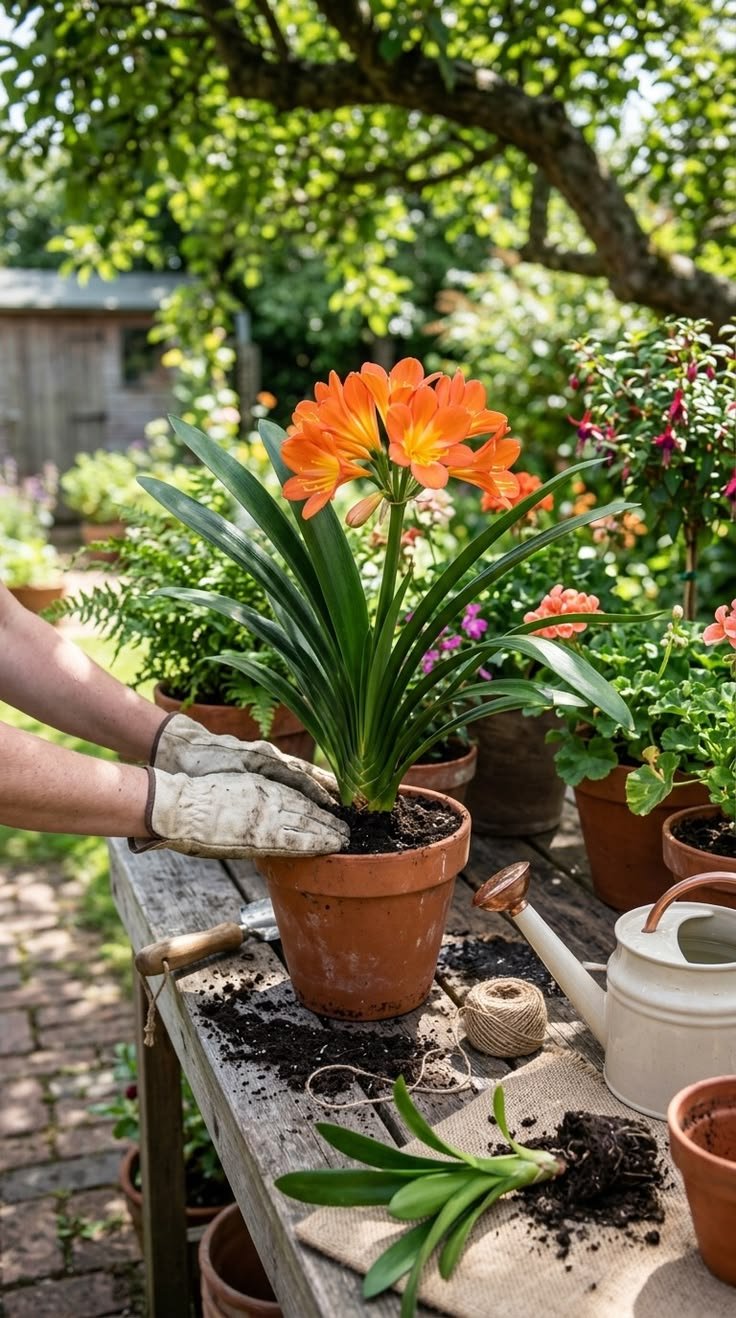
Containers need drainage holes, a pot at least 2 inches wider than the root ball, and potting mix instead of garden soil.
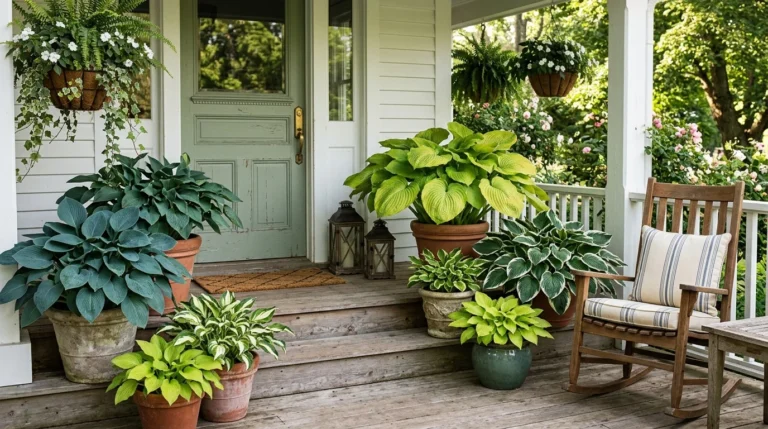
Garden soil compacts in containers and suffocates roots, so use a bagged potting mix formulated for pots. Terra cotta dries out faster than plastic or glazed ceramic, which matters in hot climates. Every container needs at least one drainage hole; without it, roots sit in water and rot within weeks. Repot when roots start circling the bottom of the pot or poke through the drainage holes, usually every 1 to 2 years for most perennials.
How Do You Build A Garden Bed That Actually Works?
Pick a level, well-drained spot with at least 6 hours of sun, and build beds no wider than 4 feet so you can reach the center from either side.
Raised beds warm up faster in spring and give you full control over soil quality, which matters if your yard has poor native soil. In-ground beds cost less to start but inherit whatever problems your existing soil already has. Either way, clear grass and weeds completely before planting, since anything left behind will resprout. A bed depth of 8 to 12 inches covers root needs for most vegetables and perennials.
When Should You Prune Outdoor Plants?
Prune most shrubs and perennials in late winter or early spring before new growth starts, and prune spring-flowering plants right after they bloom.
Pruning at the wrong time can cut off the buds a plant needs to flower that season. Spring bloomers like lilac set next year’s buds shortly after this year’s flowers fade, so prune them immediately after blooming, not in fall. Summer and fall bloomers, along with most fruit trees, do best with a late-winter prune while they’re still dormant. Always cut just above a leaf node at a slight angle, and remove dead or damaged branches any time of year.
Why Does Mulching Matter For Outdoor Plants?
A 2- to 3-inch layer of mulch holds soil moisture, blocks weeds, and keeps root temperatures stable through summer and winter.
Organic mulch, like shredded bark or straw, breaks down over time and adds nutrients back into the soil. Keep mulch pulled back a few inches from plant stems and tree trunks, since piling it directly against them traps moisture and invites rot. Reapply mulch once or twice a year as it breaks down or washes away. In hot climates, mulch cuts down on how often you need to water by slowing evaporation from the soil surface.
How Do You Identify And Control Garden Pests?
Check the undersides of leaves weekly, since most pests, like aphids and spider mites, hide there before damage shows up on top.
Sticky or curling leaves usually point to aphids. Fine webbing signals spider mites. Holes chewed through leaves overnight often mean slugs or caterpillars. Insecticidal soap or neem oil handles most soft-bodied pests without harming beneficial insects like ladybugs and bees, as long as you spray in the evening when pollinators are less active. Isolating or removing badly infested plants quickly stops pests from spreading to healthy ones nearby.
How Can You Spot And Treat Common Plant Diseases?
Yellow spots with dark rings usually mean fungal disease, while wilting despite wet soil often points to root rot.
Powdery mildew shows up as a white, dusty coating on leaves and thrives in humid conditions with poor air circulation. Spacing plants further apart and watering at the soil line instead of overhead cuts fungal problems significantly. Remove and destroy infected leaves right away instead of composting them, since many fungal spores survive composting and reinfect your garden later. A copper-based fungicide treats most common fungal issues if you catch them early.
How Does Plant Care Change With The Seasons?
Spring is for planting and feeding, summer is for consistent watering and pest checks, fall is for cutting back and mulching, and winter is for protecting roots and resting the garden.
Spring soil warms up gradually, so wait until nighttime temperatures stay above 50°F before setting out warm-season plants like tomatoes. Summer heat increases watering needs and pest activity at the same time, so check plants more often. Fall is the best time to plant trees, shrubs, and spring bulbs, since cooler air and warm soil encourage strong root growth before winter. In winter, a fresh layer of mulch protects perennial roots from the freeze-thaw cycles that can heave plants right out of the ground.
What Are The Most Common Outdoor Gardening Mistakes?
Overwatering kills more outdoor plants than underwatering, followed closely by planting in the wrong light and skipping soil prep.
New gardeners often water on a fixed schedule instead of checking actual soil moisture, which drowns roots in wet weeks and starves them in dry ones. Planting a full-sun crop in a partly shaded bed sets it up to struggle no matter how well you care for it otherwise. Skipping soil prep and planting straight into compacted dirt limits root growth from day one. Spacing plants too close together also invites disease, since crowded plants trap humidity and block airflow.
Frequently Asked Questions
Can you start an outdoor garden with literally no experience?
Yes. Start with 3 to 5 easy plants like marigolds, zucchini, or herbs, and expand once you’ve gotten a full season under your belt.
How long does it take to see results from a new garden?
Fast growers like lettuce and radishes are ready in 4 to 6 weeks. Tomatoes and peppers usually take 60 to 80 days from transplant to harvest.
Do outdoor plants need different care than indoor plants?
Yes. Outdoor plants deal with wind, rain, and temperature swings that indoor plants never face, so they generally need more water and hardier root systems.
What’s the biggest sign of overwatering versus underwatering?
Overwatered leaves turn yellow and feel soft or mushy. Underwatered leaves turn brown and crispy at the edges, and the soil pulls away from the pot.
Is it cheaper to start plants from seed or buy starts?
Seeds cost less overall, often just a few dollars per pack, but starts save 4 to 6 weeks of growing time if you want faster results.