How Often Should You Water Outdoor Plants? Complete Guide
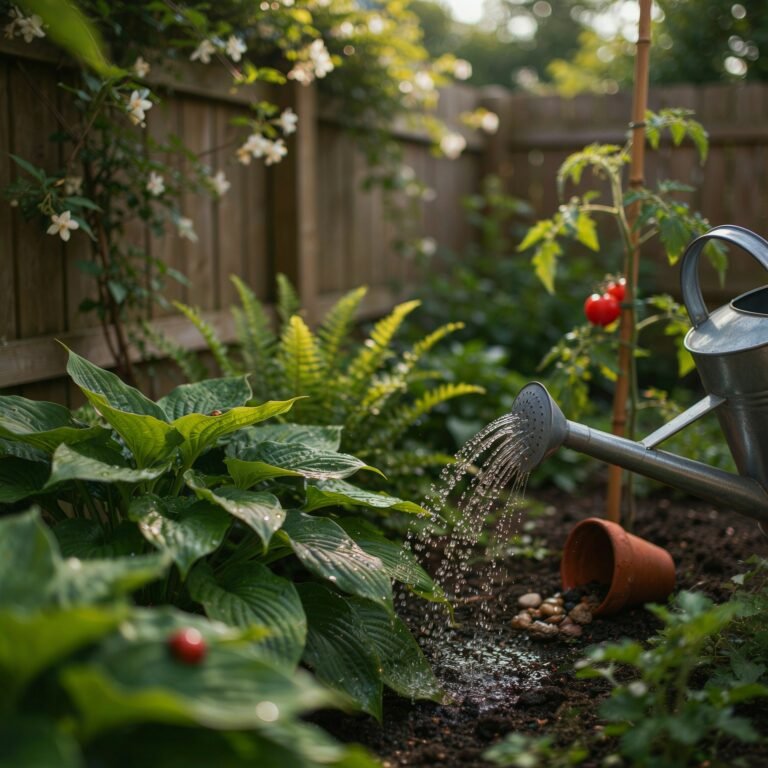
Knowing how often you should water outdoor plants is the difference between a garden that thrives and one that limps through the season. Most outdoor plants need about 1 inch of water a week, whether it falls as rain or comes from your hose. The real number shifts with your soil, your climate, and what you’re growing. Water too little and roots stay shallow. Water too much and roots start to rot. Below is a detailed, season-by-season, plant-by-plant breakdown of exactly how often outdoor plants need water, plus the quick checks that tell you when your garden is actually thirsty.
How Often Should You Water Outdoor Plants Each Week?
Most established garden plants need 1 to 1.5 inches of water a week. That total works best split across two or three deep waterings, not a daily sprinkle. A quick way to measure it is to set a shallow, flat-bottomed can in the garden while you water or while it rains. When the can holds about an inch, you’ve hit the weekly target.
Deep watering matters more than frequency. It pushes moisture down 6 inches or more, which pulls roots downward with it. Roots that grow deep can ride out a hot, dry stretch far better than roots that stay near the surface chasing a light daily sprinkle.
This 1-inch guideline is a starting point, not a rule carved in stone. It comes from decades of extension-service research on vegetable and ornamental gardens, and it holds up well across most of the country. Still, your own soil, sun exposure, and plant mix will nudge that number up or down, which is why the sections below break the guideline down further.
How Often Should You Water Trees, Shrubs, And Lawns?
Different plant categories in the same yard often need completely different watering schedules. Treating every plant the same way is one of the most common reasons a landscape struggles even when the gardener is watering faithfully.
● Established trees: Once a month during the growing season is often enough, focused around the dripline where active roots sit. During a prolonged drought, that can increase to every two to three weeks.
● Established shrubs: Roughly every three to four weeks in normal conditions, more often for shallow-rooted or flowering shrubs during summer heat.
● Perennials and roses: Once or twice a week in most climates, adjusted for rainfall and soil type.
● Lawns: About 1 to 2 inches per week, split into two waterings, with extra frequency during extreme heat.
● New plantings of any kind: Every two to three days for the first one to two weeks, then gradually stretched out to weekly as roots establish.
The general pattern holds across plant types: newly installed plants need frequent, shallow attention while roots are forming, and established plants do better with infrequent, deep soaks that mimic a slow, soaking rain.
What Factors Change How Often You Should Water?
No two gardens follow the same schedule. A few things push the number up or down:
● Soil type: Sandy soil drains fast and needs more frequent water. Clay holds moisture longer and needs less.
● Sun and wind: Full sun and windy spots dry out soil faster than shaded, sheltered beds.
● Plant type: Leafy vegetables and shallow-rooted annuals dry out faster than drought-tolerant perennials and herbs.
● In-ground vs. container: Pots lose water much faster than garden beds.
● Plant age: New transplants and seedlings need water more often than mature, established plants.
● Mulch coverage: A mulched bed holds moisture noticeably longer than bare soil exposed to direct sun.
Treat the 1-inch rule as a starting point, then adjust based on how your own soil and plants respond over a few weeks of observation.
How Does Your Region’s Climate Affect Watering Frequency?
Where you garden in the US changes the baseline more than almost anything else. A schedule built for the Pacific Northwest will overwater a yard in Arizona and underwater one in coastal Georgia.
● Arid Southwest (Arizona, Nevada, inland California): Low humidity and intense sun often push watering to three or more times a week for in-ground beds and daily for containers in peak summer.
● Humid Southeast (Florida, Georgia, the Gulf Coast): Frequent rainfall can cover much of the weekly total, but sandy coastal soils drain fast, so check soil moisture before assuming rain was enough.
● Temperate Midwest and Northeast: The classic 1 to 1.5 inches a week, delivered in two or three sessions, fits most of the growing season here.
● Pacific Northwest: Wet spring and fall often need little supplemental watering, while the typically dry summer months call for a schedule closer to the Southwest’s.
How Do You Know When Outdoor Plants Need Water?
Skip the guesswork and check the soil itself. Push a finger or a wooden dowel about 2 to 3 inches into the ground near the roots. If it comes out clean and dry, it’s time to water. If moist soil clings to it, hold off.
The top inch of soil can look dry even when the ground underneath is still moist, especially after a windy or sunny day. That’s why a surface glance isn’t enough. Dig a little deeper before you decide.
Withering leaves are a signal too, but they can mean two opposite problems: not enough water or too much water sitting around the roots. Always confirm with the soil check before you reach for the hose. A soil moisture meter, sold cheaply at most garden centers, removes the guesswork entirely and works well for gardeners who want a precise number instead of a feel test.
How Often Should You Water In Summer vs. Spring And Fall?
Spring and fall: Once or twice a week is usually enough when daytime temperatures sit in the 70s. Cooler air means slower evaporation.
Summer: When temperatures climb into the 90s, plan on roughly double the water, closer to 2 inches a week. Containers and raised beds may need water daily during a heat wave.
Rain doesn’t always cancel out watering. A five-minute downpour often runs off before it soaks in, so it may not count toward your weekly total. Check the soil a few inches down after any rain before you skip a scheduled watering.
Winter watering is often overlooked. In regions where the ground doesn’t freeze solid, evergreen shrubs and newly planted trees can still dry out during dry winter stretches, so an occasional deep watering during a mild spell helps protect roots headed into spring.
How Often Should You Water New Plants And Seedlings?
New transplants and seedlings need extra attention for the first two weeks. Water daily or every other day while roots establish themselves in the surrounding soil. Once you see new growth, start stretching the interval toward a normal weekly schedule.
Shallow-rooted crops like lettuce and other leafy greens stay thirsty longer than deep-rooted or drought-tolerant plants such as perennial herbs, so keep an eye on them even after they’ve settled in.
For newly planted trees and shrubs, the transition takes longer. Water every two to three days for the first couple of weeks, then taper to every three to four days, then weekly, over the following month or two. Most trees need close attention for their entire first growing season and some supplemental water for the following year as well.
How Often Should You Water Potted Outdoor Plants?
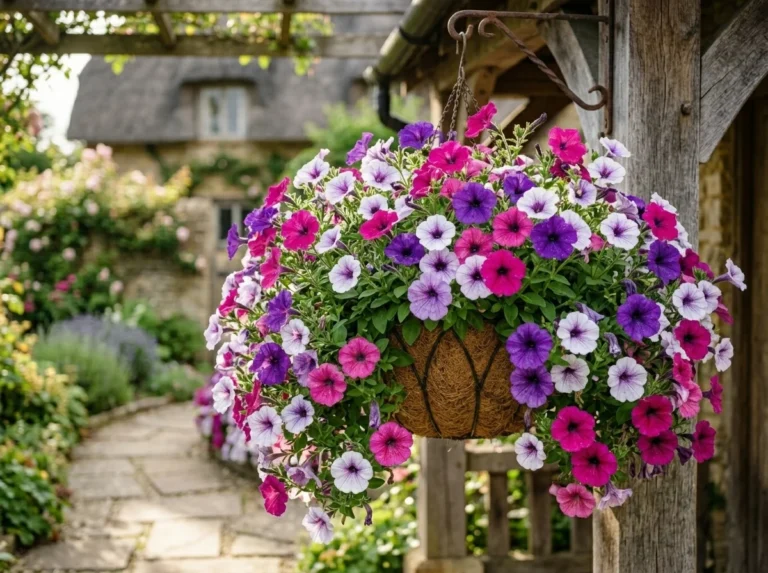
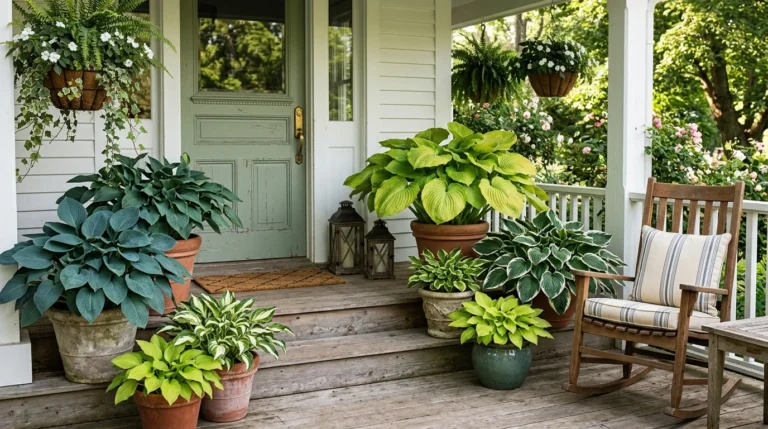
Containers dry out far faster than garden beds because there’s less soil to hold moisture and air can reach the roots from every side. In hot weather, many pots need water once a day, and some may need it twice.
Always check that pots drain freely. A container that holds standing water at the bottom drowns roots just as fast as one that’s left bone dry too long. Smaller pots in one- or three-gallon sizes dry out even faster than larger containers and often need checking every single day once temperatures rise.
What Happens If You Water Too Often?
Overwatering is just as damaging as underwatering, and it’s often the more common mistake. Roots sitting in soggy soil can’t take in oxygen, which leads to root rot, yellowing leaves, and fungal disease.
Frequent, shallow watering also trains roots to stay close to the surface. Those shallow roots then struggle the moment the weather turns hot and dry. A deep, less frequent schedule builds a stronger root system from the start.
How Do You Water During A Drought Or Water Restrictions?
When water is limited, prioritize plants by value and how hard they’d be to replace. Established trees usually survive with little or no supplemental water, so they can wait. New plantings, vegetables, and containers need attention first, since they have the least ability to find their own moisture.
Mulch becomes even more important during restrictions, since it can meaningfully cut how often you need to water. Watering in the early morning also matters more than ever, since it’s the single easiest way to reduce water lost to evaporation without spending anything extra.
What Time Of Day Should You Water Outdoor Plants?
Early morning is the best time to water outdoor plants. It gives the soil time to absorb moisture before the sun pulls it back out through evaporation, and any water on the leaves has all day to dry off.
Evening watering works in a pinch, but wet foliage overnight can invite mildew and other fungal problems. Try to avoid watering in the middle of the day, since a large share of that water simply evaporates before it reaches the roots.
A steady watering routine, matched to your soil, region, and the season, does more for your garden than any single trick ever will. For more grounded, research-backed garden guidance, keep browsing True Essence of Life.
FAQs About Watering Outdoor Plants
Do outdoor plants need water every single day?
No. Most established plants only need water two or three times a week. Daily watering is usually reserved for new seedlings, transplants, and potted plants in hot weather.
What counts as a deep watering?
A deep watering moistens the soil about 6 inches down, roughly equal to 1 inch of water measured in a shallow can. Anything shallower just wets the surface and encourages weak roots.
Should I skip watering after it rains?
Only if the rain actually soaked in. A brief, hard downpour often runs off the surface. Check the soil a few inches down before deciding whether to water anyway.
Why do my plants wilt even though the soil feels wet?
Wet, wilting plants often point to root rot from overwatering, not thirst. Waterlogged roots lose the ability to absorb moisture, so the plant wilts despite sitting in soggy soil.
Do potted plants really need more water than garden beds?
Yes. Containers hold far less soil volume and lose moisture from all sides, so they dry out much faster than the same plant growing in the ground.
How much less water do established trees need compared to new ones?
Established trees often need water only once a month, while newly planted trees need it every two to three days for the first few weeks. The gap narrows gradually over the first one to two years.