

Best Outdoor Plants for Beginners | Easy Flower Guide
Best Outdoor Plants for Beginners
Starting your first garden shouldn’t feel like a science exam. The best outdoor plants for beginners are the ones that forgive mistakes, like too much sun, too little water, or a planting date that’s off by a week. This guide walks through flowers that actually grow with minimal fuss, plus the basics that make the biggest difference before a single seed goes in the ground. No fancy tools needed. Just a sunny patch, a bag of soil, and a little patience.
What Makes a Flower Easy to Grow?

An easy flower tolerates mistakes. It handles inconsistent watering, average soil, and a few missed weeks of deadheading without dying on you. Marigolds, zinnias, and cosmos all fit that description. They grow fast from seed, bloom for months, and don’t demand a strict schedule. If a flower needs exact humidity or a specific soil pH to survive, it’s not a beginner plant. Save it for year two.
Start With Your Last Frost Date
Before picking flowers, figure out your area’s average last frost date. Planting too early means a cold snap can kill young seedlings overnight. Most seed packets list how many weeks before or after that date to plant, so this one piece of information saves a lot of guesswork later. A quick search for your zip code and ‘last frost date’ gets you the number in seconds.
Which Flowers Work Best in Full Sun?

Full sun flowers need at least six hours of direct light a day, and most beginner-friendly varieties actually prefer it. Marigolds handle heat and poor soil without complaint. Zinnias bloom nonstop from early summer through the first frost. Sunflowers grow fast and need almost nothing beyond sun and water. Cosmos self-seeds, so a patch this year often means a patch next year too, without any replanting.
What Should You Plant in a Shady Yard?

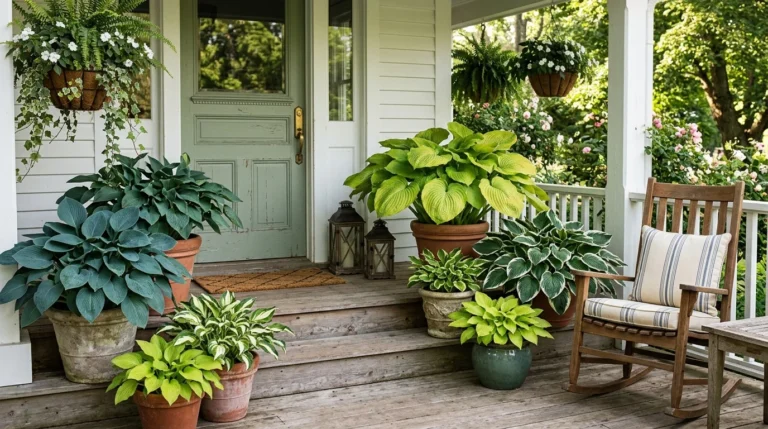
Not every yard gets six hours of sun, and that’s fine. Impatiens bloom heavily in shade and come in nearly every color you’d want. Begonias handle partial shade and hold up well in humidity. Both work in beds or containers, so a shady porch or a tree-covered corner doesn’t have to stay empty.
Annuals vs. Perennials, and Why It Matters

Annuals complete their life cycle in one season and need replanting every year. Perennials come back on their own for three or more years. Beginners often start with annuals because they bloom fast and forgive experimentation, but mixing in a perennial or two, like coneflowers or black-eyed Susans, means less replanting down the road.
How Often Should Beginners Water Flowers?
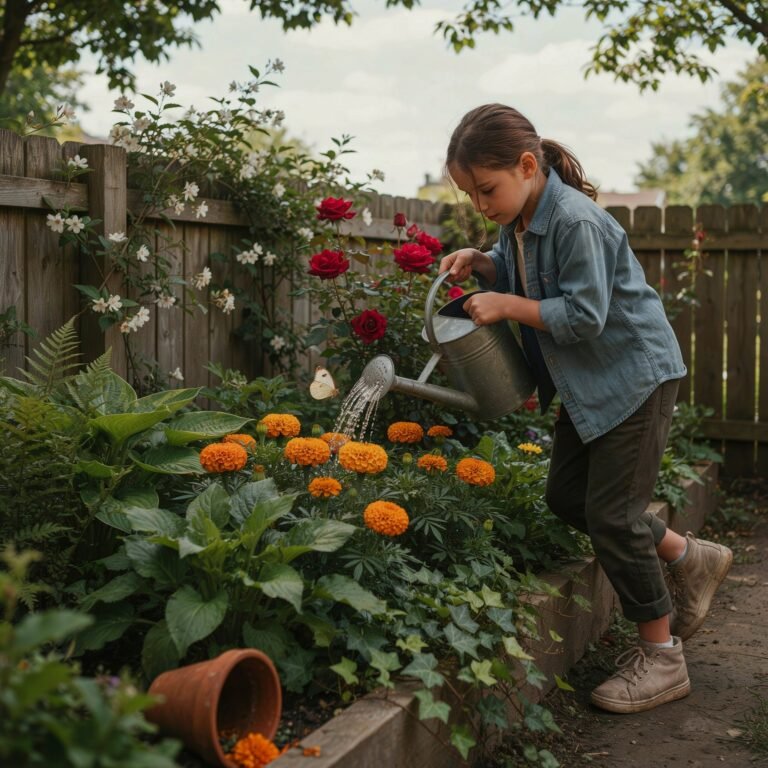
Most garden flowers need about one inch of water a week, rainfall included. That’s a general rule, not a strict schedule, since sandy soil dries faster and clay holds water longer. The easiest check is to stick a finger two inches into the soil. If it’s dry, water. If it’s damp, wait a day and check again.
Do Pollinator-Friendly Flowers Actually Matter?
Yes, more than most beginners realize. Pollinator populations have been declining for years, and a backyard garden is one of the easiest ways to help. Coneflowers, zinnias, and black-eyed Susans all attract bees and butterflies without any extra effort on your part. Planting even a small patch supports pollinators while giving you months of color in return.
Simple Soil Prep Before You Plant
Good soil beats good luck every time. Loosen the top six inches of dirt with a shovel or hand fork, then mix in a couple inches of compost if the soil looks compacted or sandy. A basic drugstore soil pH kit can tell you if your soil leans acidic or alkaline, which matters more for some flowers than others. Most beginner-friendly flowers tolerate a wide pH range, so this step is optional, but it never hurts.
What’s the Most Common Beginner Mistake?
Overplanting and overwatering, usually both at once. New gardeners tend to cram too many seeds or seedlings into a small space, which leads to crowding, poor airflow, and disease. Overwatering is the other common trap, since it’s easy to assume more water means healthier plants. Most flower deaths in a beginner’s first season come from too much water, not too little.
Choosing Flowers for Small Spaces or Containers

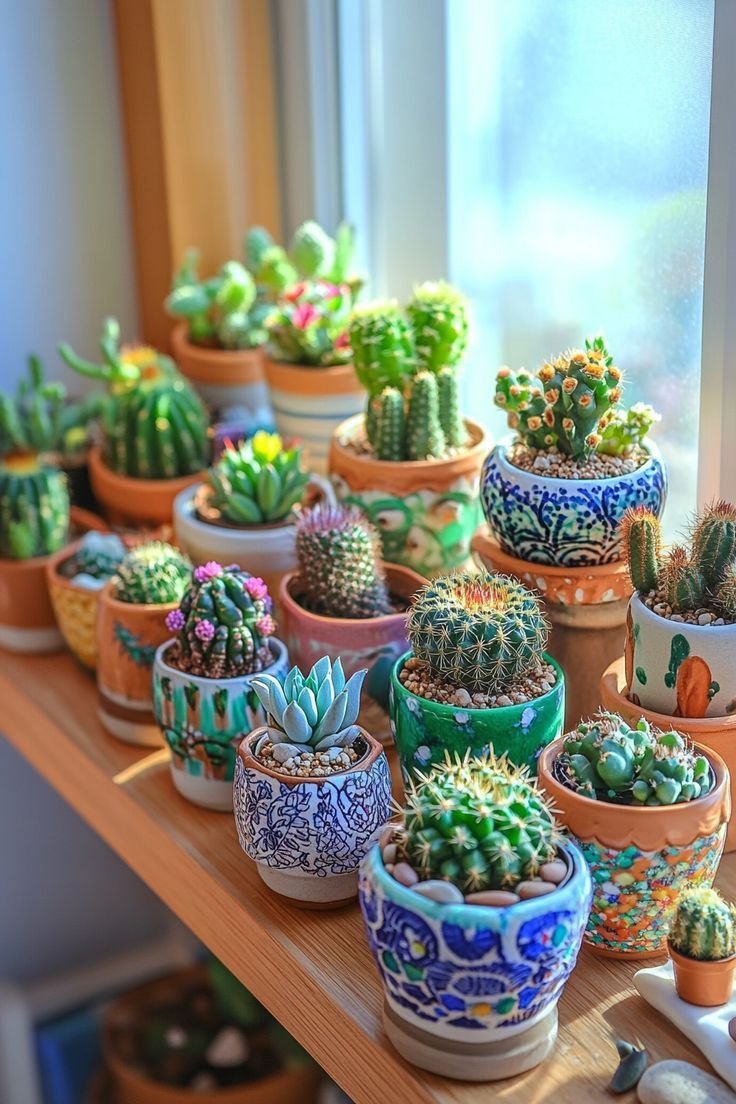
A small yard, a balcony, or even a windowsill box can still grow a real flower garden. Marigolds, zinnias, and petunias all do well in containers as long as the pot has drainage holes and gets enough sun. Container soil dries out faster than garden beds, though, so it usually needs watering a bit more often, sometimes every day in peak summer heat.
Best Low-Maintenance Perennials Worth Adding
Annuals are great for a first season, but a few perennials save you work down the road. Coneflowers bloom from midsummer into fall and tolerate poor soil without complaint. Black-eyed Susans spread easily and come back reliably year after year, even in spots with average care. Daylilies survive drought, neglect, and beginner mistakes better than almost anything else in this list. Russian sage adds height and a soft purple color, and once it’s established, it barely needs watering at all. Mixing two or three of these into a mostly-annual bed means less replanting every spring.
When Should You Deadhead Flowers?
Deadhead as soon as a bloom starts to brown and wilt, not after it’s fully dried out. Pinch or snip the stem just below the spent flower head. This signals the plant to put energy into new blooms instead of seed production, which is why regular deadheading keeps annuals like zinnias and marigolds flowering for months instead of weeks. It takes a couple of minutes a week and makes a visible difference by midsummer.
Does Growing Native Flowers Matter for Beginners?
It helps, though it’s not a requirement. Native flowers are already adapted to your region’s rainfall and soil, so they typically need less watering and fewer amendments than non-native varieties. Black-eyed Susans and coneflowers are native across most of the U.S. and show up on beginner lists for that exact reason, not just because they’re pretty. Non-native flowers like zinnias and petunias still work fine for a first garden. They just tend to need a bit more attention to stay healthy through a full season.
Checking Your USDA Hardiness Zone
Your USDA Plant Hardiness Zone tells you the coldest temperatures your area typically sees each winter, and it’s the number most seed packets and plant tags reference for perennials. Annuals like marigolds and zinnias grow in almost any zone since they only need to survive one season. Perennials are different. A coneflower rated for zones 3 through 9 will come back reliably in most of the continental U.S., but a plant rated for warmer zones only may not survive a hard winter further north. Look up your zone by zip code before buying any perennial, so you’re not planting something that won’t make it through the cold months.
Frequently Asked Questions
How long does it take for beginner flowers to bloom from seed?
Most easy annuals, like zinnias and marigolds, bloom within 6 to 8 weeks of planting. Cosmos and sunflowers usually take a bit longer, closer to 8 to 10 weeks, depending on the variety and how much sun they get.
Can beginner flowers grow in containers instead of the ground?
Yes. Marigolds, zinnias, and petunias all do well in containers as long as the pot has drainage holes and gets enough sun. Container soil dries out faster than garden beds, so it usually needs watering more often.
Do beginner flowers need fertilizer to grow well?
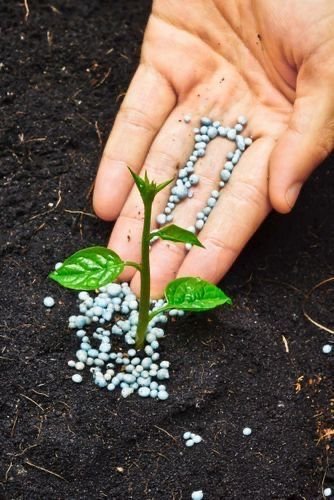
Not usually. Most beginner-friendly annuals grow fine in average soil without added fertilizer. A light feeding once a month during bloom season can boost flowering, but skipping it entirely rarely causes a problem.
What’s the easiest flower to grow from seed for a first-time gardener?
Zinnias are hard to beat. They germinate quickly, tolerate a range of soil types, and bloom for months with almost no maintenance beyond occasional deadheading.
Is it better to start flowers from seed or buy seedlings?
Seedlings give you a head start and are more forgiving for a true first-timer, since the hardest early growth stage is already done. Seeds cost less and offer more variety, which makes sense once you’ve gotten through one full season.
How much sun does a beginner flower garden actually need?
Most easy annuals want six or more hours of direct sun daily. If your space gets less than four hours, stick to shade-tolerant options like impatiens or begonias instead of forcing a sun-loving variety into a spot it won’t thrive in.
Pick two or three flowers from this list, check your last frost date, and get seeds in the ground this weekend. A beginner garden doesn’t need to be big or perfect. It just needs to get started.

One Comment