
10 Outdoor Gardening Ideas In Winter To Keep Your Garden Active
When the first cold days arrive, many gardeners put away their tools and wait for spring. It feels like the natural thing to do. Frost settles in, the days get shorter, and the garden looks tired and bare.
But winter doesn’t have to be a pause. With the right outdoor gardening ideas in winter, your garden can stay alive, productive, and even beautiful. Cold weather is not the enemy of your garden. It just asks you to garden a little differently. Start by choosing plants that like the cold. Those plants that are easy to grow, nourish, and propagate in winter. Hardy greens, root vegetables, and winter herbs grow well when temperatures drop. Shield tender plants with covers when frost is on the way. Add compost or well-rotted manure to your beds so the soil stays warm, healthy, and full of nutrients. If you’re short on space, containers and cold frames make it easy to grow on a patio, balcony, or small backyard.
A little effort now pays off later. Your plants stay strong through the cold months, and your soil is ready when spring arrives. You also get fresh food and something green to enjoy when everything else looks quiet. In this guide, you’ll find simple, practical ways to protect your plants, grow winter vegetables, and prepare your garden for the season ahead.
1. Plant Cool-Tolerant Crops
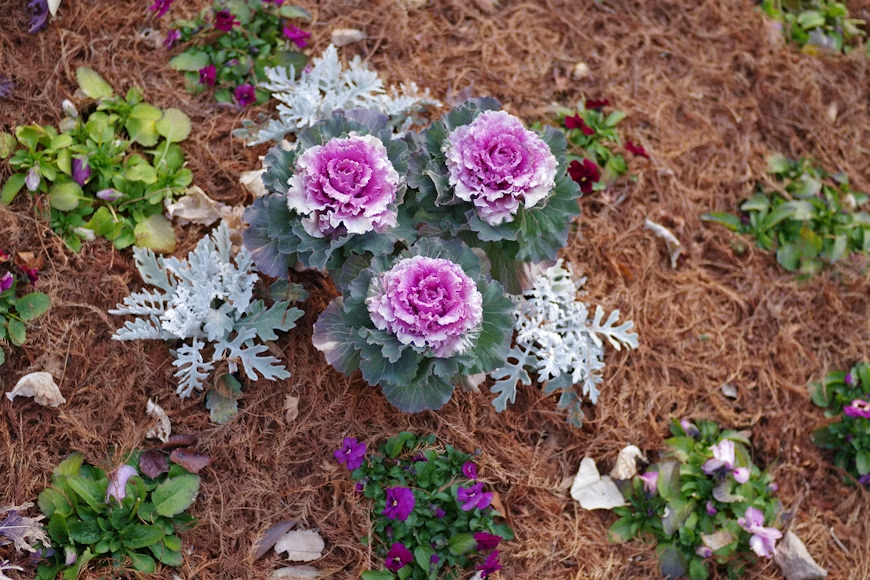
Choose those vegetables that can naturally resist cooler weather conditions. These include kale, spinach, arugula, radish, carrots, garlic, and many others. Some vegetables are more resistant to frost than others.
It is important to consider the local growing conditions before you begin to plant them. The winter weather may vary widely depending on the region.
2. Place a Thick Layer of Manure Around Plants
Mulch is a layer of materials like dry leaves, straw, or wood chips placed over the soil. In winter, it helps protect the soil from sudden temperature changes, keeps moisture in, and shields plant roots from the cold. Mulch will be able to keep the soil safe from sudden shifts in temperature. Mulch will also help retain moisture.
Suitable materials for mulching include dry leaves, hay, and other similar organic materials. Keep mulch away from the base of plants to avoid producing decay.
3. Crop Cover Protection for Plants
A crop cover is a protective layer placed over plants to shield them from cold air and frost. When temperatures drop, it creates a warmer space around the plants while still allowing light and air to reach them. Use crop covers for plants that can handle cool weather but need extra protection during colder nights. Secure the edges so cold air cannot easily get underneath, and remove the cover during the day when temperatures rise. This simple step can help prevent cold damage and keep plants growing through chilly weather.
4. Use a Cold Frame for Growing Small Winter Plants
A cold frame is an excellent way to make your garden more protected. The sun heats the space during the daytime and provides protection against the cold at nighttime.
Examples of cool-season vegetables that you could grow here include lettuce, kale, and spinach.
5. Move Tender Container Plants to a Sheltered Spot
Vessels are easier to move than plants growing directly in the ground. Place unprotected pots near a protected wall or another suitable sheltered area.
If a plant cannot tolerate cold weather, moving it indoors may be necessary. Many common houseplants should be brought inside when outdoor temperatures begin dropping into the 40s and 50s°F.
6. Keep Harvesting Cool-Season Greens
Do not guess every winter crop needs to be harvested at once. Crops such as spinach and kale can continue producing in cool conditions.
Pick outer leaves as needed. This lets the plant keep producing new growth when conditions remain suitable.
7. Plan for Next Year While the Garden Is Calm
Planning also occurs in the winter season. Estimate the successes of last year’s growing season.
Collect a short list of vegetables you would like to plant. Ensure that you know their maturity period and planting date. Planting dates need to be determined using local conditions and not just the calendar.
8. Begin a Basic Garden Journal
Keep track of what you plant and when you plant it. Make note of which plants thrive in cold weather.
This information can be helpful in planning your next garden. You’ll have some first-hand experience to draw from instead of just generalized knowledge.
9. Test the Soil before Working on it
Do not dig or plant when your soil is excessively wet. The working of moist soil results in destruction of its structure.
The most effective way of testing is to take soil in a handful and squeeze it. If it forms a tight ball, you should wait until it becomes crumbly.
10. Leave Some Garden Areas Undisturbed
You do not need to clear every part of the garden during winter. Leaving some plant material in place can provide shelter for beneficial garden life.
Remove diseased plants and anything that could spread problems. For healthy areas, a lighter cleanup can leave the garden better prepared for spring.
FAQs
What Types Of Vegetables Can You Plant Outside In Winter?
Vegetables such as kale, spinach, arugula, radishes, carrots, garlic, cabbage, and more are some vegetables that you can plant in winter.
Does Mulch Prevent Frost Damage To Plants?
Although mulch is very effective in insulation and preventing temperature fluctuations, it cannot be used to keep your plants safe from frost.
Is It Possible To Grow Vegetables In Pots In Winter?
Yes, you can plant vegetables in pots in winter. You just need to choose hardy vegetables and plant them in pots large enough for roots to grow well.
Are Cold Frames Useful In Winter?
Yes, cold frames will be helpful when you do not have time to construct a greenhouse.
Should You Water Plants In Winter?
When the weather gets cold, check the soil before watering your plants. Your plants will not need much water in winter.
Can You Plant Warm-Season Vegetables In Winter?
No, you cannot plant them since vegetables like tomatoes, peppers, cucumbers, and squash are sensitive to cold and frost.