Best Soil For Outdoor Plants: Types, Testing & Tips
Soil is the important ingredient in plant growth, sustenance, and nourishment. As it provides essential minerals to the plant and holds plant roots firmly in order to make it function well.
The best soil for outdoor plants is a well-draining loamy mix that balances sand, silt, and organic matter like compost. This kind of soil holds enough moisture for roots without staying soggy, and it lets air move freely underground. Get the soil right, and everything else in your garden gets easier: watering, feeding, and plant health all fall into place. Get it wrong, and even the best care routine won’t save your plants.
This guide breaks down the soil types you’ll actually run into outdoors, how to test what you have, and how to fix it if it’s not working. If you’re also figuring out watering alongside your soil, our guide on how to water garden plants properly pairs well with everything here, since soil and water quality go hand in hand.
What Makes Soil Good For Outdoor Plants?
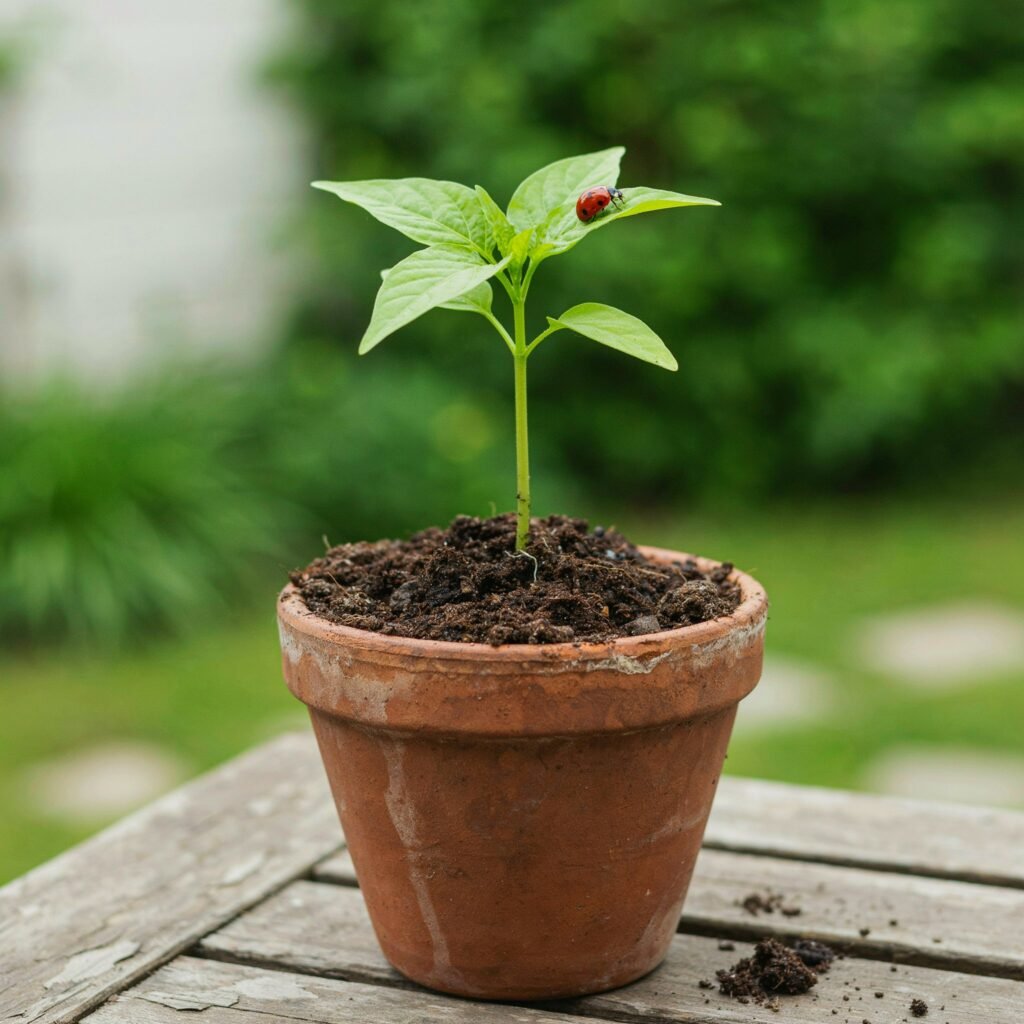
Good outdoor soil does three jobs at once: it holds moisture, drains excess water, and feeds the roots. Miss any one of these, and plants struggle. Soil that holds too much water suffocates roots. Soil that drains too fast leaves plants thirsty between waterings. And soil with no organic matter can’t feed anything, no matter how often you water. The goal isn’t to find one perfect ingredient. It’s to build a mix where sand, organic material, and moisture-holding components work together.
What Are The Main Types Of Garden Soil?
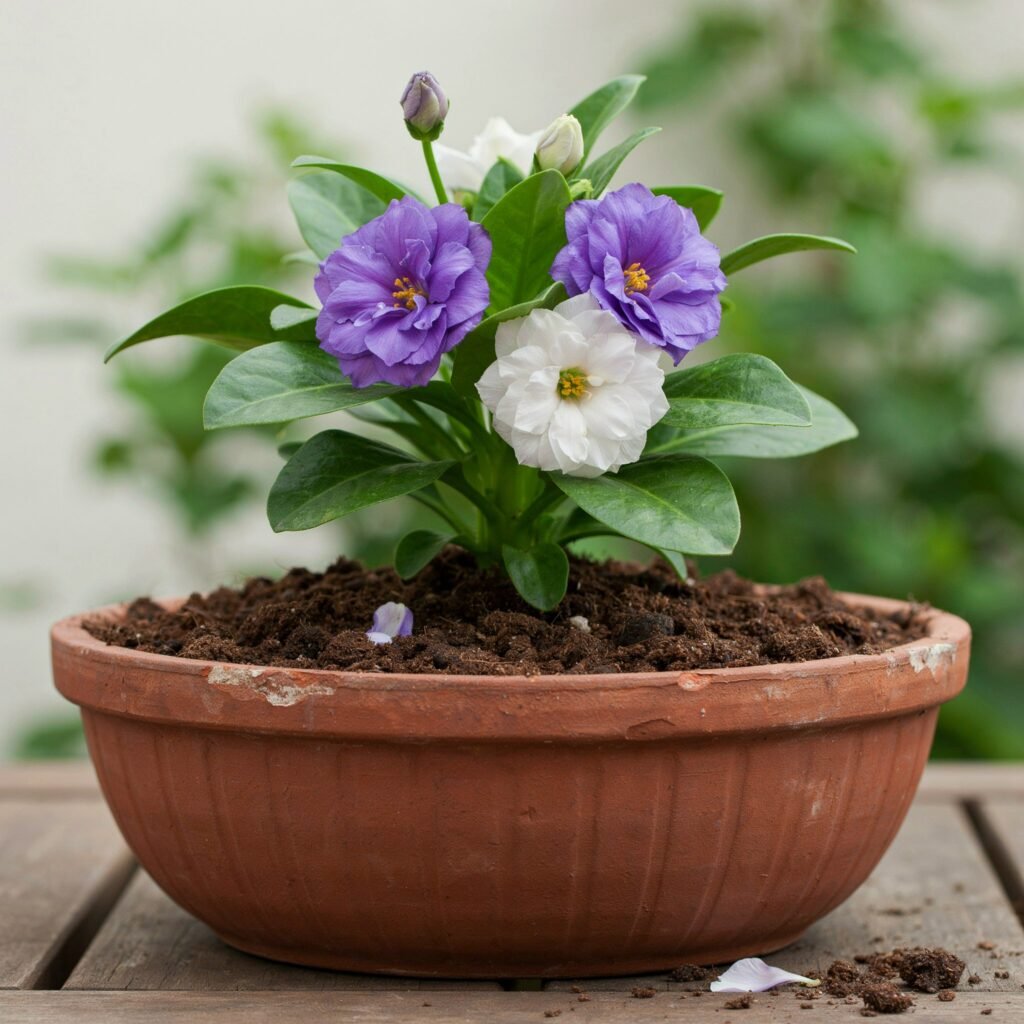
Most garden soil falls into five categories, and each one behaves differently once plants go in the ground.
Loamy soil is the gold standard for outdoor gardens. It’s a balanced mix of sand, silt, and clay that drains well while still holding nutrients. Most vegetables, flowers, and shrubs thrive in it without much fuss.
Sandy soil drains fast and warms up quickly in spring, which root vegetables like. The tradeoff is that it doesn’t hold nutrients well, so it needs more frequent feeding and organic matter mixed in.
Clay soil holds water and nutrients tightly, sometimes too tightly. It compacts easily, which blocks root growth and drainage. Mixing in compost or coarse sand over time loosens it up.
Peaty soil is dark, moisture-retentive, and naturally acidic. Plants like blueberries and azaleas do well in it. For most other outdoor plants, it needs to be blended with other soil types first.
Chalky soil is alkaline and often light or stony. It suits plants like lavender and lilacs but can lock out nutrients for plants that prefer acidic conditions.
How Do You Test Your Soil Type At Home?
You can identify your soil type with a simple jar test, no lab required. Fill a clear jar about a third full with soil, add water until it’s nearly full, then shake it and let it settle for two to three days. The particles separate into layers: sand on the bottom, silt in the middle, and clay on top. Whichever layer is thickest tells you your dominant soil type, and that tells you what to amend.
How Do You Improve Outdoor Garden Soil?
Most outdoor soil improves with the same fix: added organic matter. Compost is the single best amendment for garden soil, since it loosens clay, helps sand hold moisture, and feeds beneficial microbes that keep soil healthy long-term. Working two to three inches of compost into the top layer of soil before planting season makes a noticeable difference. For soil that’s still compacted or slow to drain, coarse sand or aged bark can be mixed in as well. This kind of prep also affects how often you’ll need to water afterward, which is worth reading up on in our guide to how often you should water outdoor plants.
Is Garden Soil The Same As Potting Soil?
No, garden soil and potting soil are built for different jobs. Garden soil is meant to go in the ground, where natural drainage, earthworms, and microbial activity keep it from compacting the way it would in a container. Potting soil, on the other hand, is a lighter, soilless mix designed for pots and raised planters, where drainage depends entirely on the mix itself rather than the surrounding ground. Using garden soil in a container usually backfires, since it compacts fast without anywhere for excess water to go. If you’re growing anything in containers, including houseplants that spend summer outdoors like peace lilies, it helps to know the difference. Our peace lily care guide covers this in more depth for potted plants specifically.
What Soil Works Best For Raised Garden Beds?
Raised beds do best with a blend of topsoil, compost, and coarse sand, roughly in equal parts. Topsoil supplies the base structure and nutrients, compost adds organic richness, and sand keeps the mix from compacting over time. This combination drains better than straight garden soil while still holding enough moisture for vegetables and flowers to establish strong roots. Avoid filling raised beds with heavy clay or construction fill dirt. Both compact quickly and undo the benefit of raising the bed in the first place.
How Often Should You Refresh Outdoor Soil?
Outdoor garden soil benefits from a compost top-dressing at least once a year, usually at the start of the growing season. Unlike container soil, which depletes faster and needs full replacement every year or two, in-ground soil has access to natural nutrient cycling from earthworms, fallen leaves, and microbial activity. Even so, heavy feeders like tomatoes and squash pull a lot from the soil each season, so an annual layer of compost keeps nutrient levels from dropping. Pairing this with consistent watering habits makes the biggest difference in plant health, something we cover step by step in outdoor plant care 101.
Common Outdoor Soil Mistakes To Avoid
A few mistakes account for most struggling outdoor gardens. Using straight clay or fill dirt without amending it is one of the biggest, since it blocks drainage almost entirely. Skipping a soil test and guessing at pH is another, especially for plants like blueberries or hydrangeas that need specific acidity to thrive. Overworking wet soil is a quieter mistake. Digging or tilling clay-heavy soil while it’s wet compacts it further instead of loosening it. And piling on fresh, unfinished compost right before planting can actually rob nitrogen from young roots as it continues to break down. Letting compost finish curing first avoids that problem entirely.
Getting your soil right is the foundation everything else in your garden builds on. For the fuller picture on getting an outdoor garden established from the ground up, our complete guide to outdoor gardening walks through the rest, from sunlight to pest control, once your soil is ready.
Frequently Asked Questions
Can I Use Potting Soil In My Outdoor Garden Beds?
You can, but it’s not the most cost-effective choice. Potting soil is lighter and drains faster than most outdoor plants need in the ground, and it’s priced for container use. Garden soil blended with compost works better and costs less for larger areas.
Do I Need Different Soil For Vegetables Versus Flowers?
Not usually. Most vegetables and flowering plants do well in the same loamy, compost-rich soil. The bigger difference comes down to sunlight and watering needs rather than soil composition, though heavy feeders like tomatoes benefit from extra compost.
How Do I Know If My Outdoor Soil Has Good Drainage?
Dig a hole about a foot deep, fill it with water, and time how long it takes to drain. Soil that drains within a few hours is in good shape. If water is still sitting after several hours, the soil needs sand or organic matter worked in.
Should I Add Sand To Clay Soil To Fix Drainage?
A small amount of coarse sand can help, but sand alone isn’t a full fix for clay. Combining sand with compost breaks up compaction more effectively than sand by itself, which can sometimes make clay behave more like concrete if used incorrectly.
Is Compost Enough On Its Own For Outdoor Soil, Or Do I Still Need Fertilizer?
Compost feeds soil gradually and supports long-term health, but it isn’t a substitute for fertilizer during peak growing months. Heavy feeders often need a supplemental slow-release or liquid fertilizer alongside compost to keep up with demand.