How to Fertilize Outdoor Plants: A Complete Guide
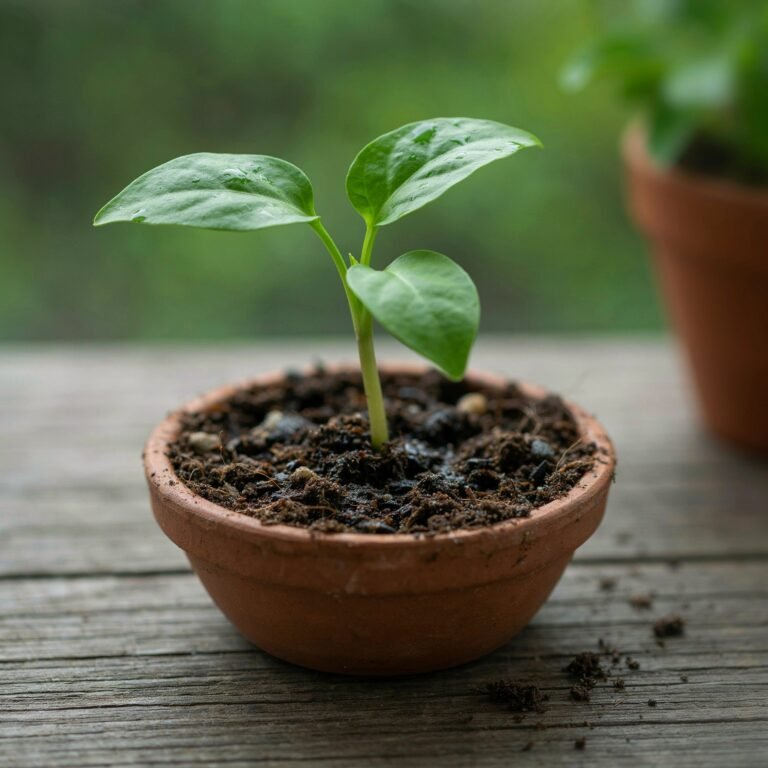
Knowing how to fertilize outdoor plants is one of the simplest ways to keep a garden looking full and healthy all season. Nutrients are essential for plant growth. Without them, they become deficient in many ways; they start shedding their leaves or producing fewer fruits or take more time to grow. Plants growing in the ground pull nutrients straight from the soil, but that supply runs low fast, especially in beds packed with hungry annuals or containers with limited room for roots. The right fertilizer, applied at the right time, is often the difference between plants that just survive and plants that actually thrive.
What Do The Numbers On A Fertilizer Label Mean?
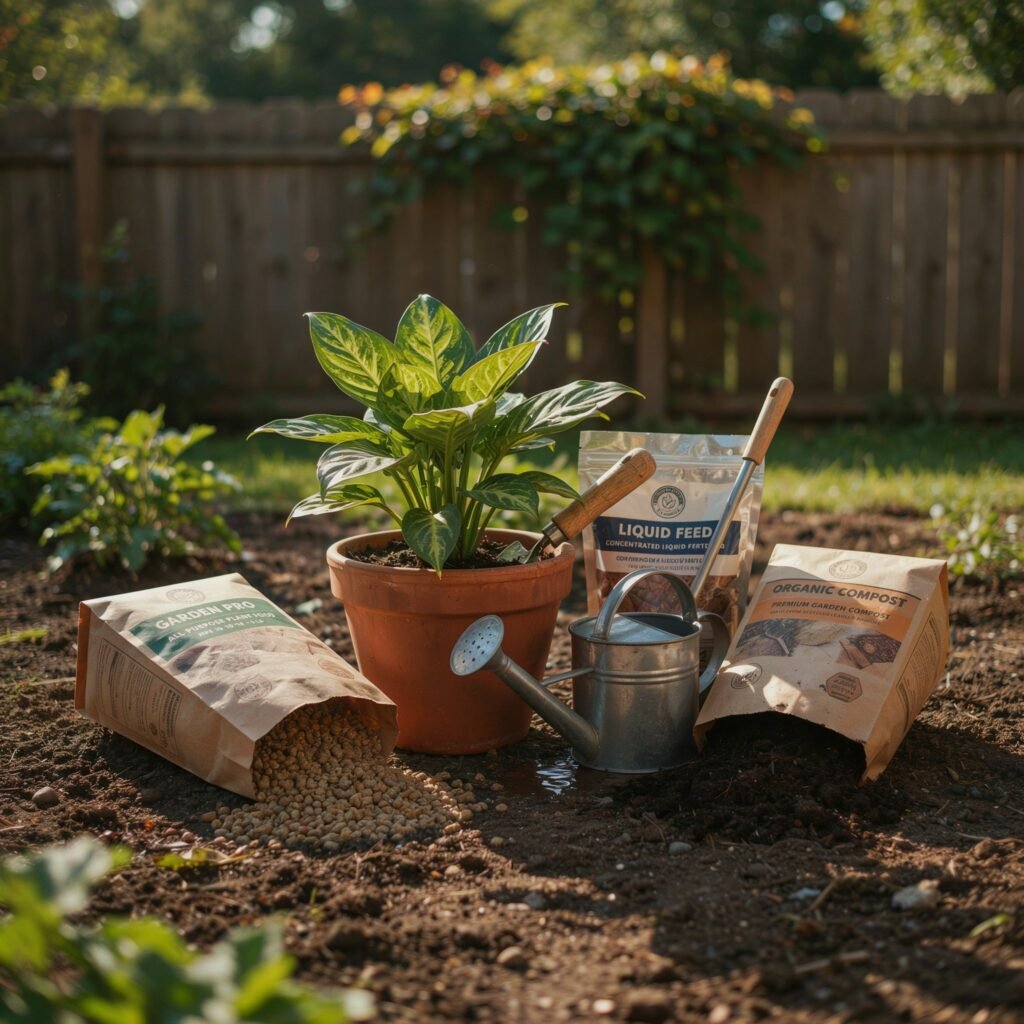
Every fertilizer bag lists three numbers, something like 10-10-10 or 5-3-3. Those numbers stand for nitrogen, phosphorus, and potassium, the three main nutrients plants need to grow. Think of it like carbs, protein, and fat for a person. Nitrogen pushes green, leafy growth. Phosphorus builds strong roots and more blooms. Potassium strengthens plants against stress and disease. A high-nitrogen fertilizer works great on a lawn but won’t do much for a rose bush trying to flower. Match the ratio to what you’re actually growing, and you’ll get better results with a lot less guesswork.
What Types Of Fertilizer Should I Use?
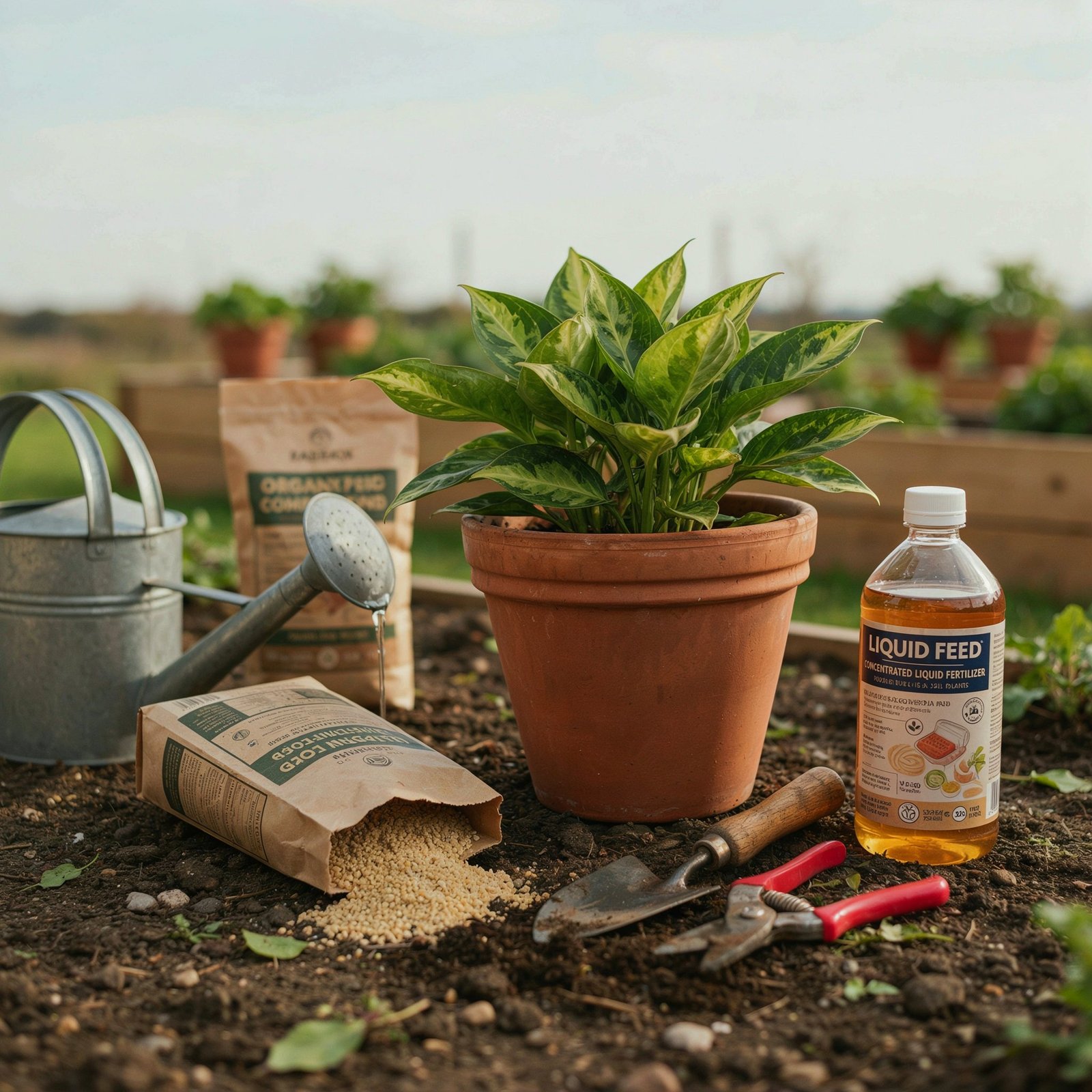
Fertilizers generally fall into two camps: organic and synthetic. Organic fertilizer comes from natural sources like compost, manure, or bone meal. It releases nutrients slowly and builds up the soil over time. Synthetic fertilizer is made from processed minerals and acts fast, which helps when a plant needs an immediate boost. Neither one is wrong. Plenty of gardeners use organic fertilizer as a base and bring in a synthetic feed only when a plant needs quick help.
How Do I Fertilize Annuals And Container Plants?
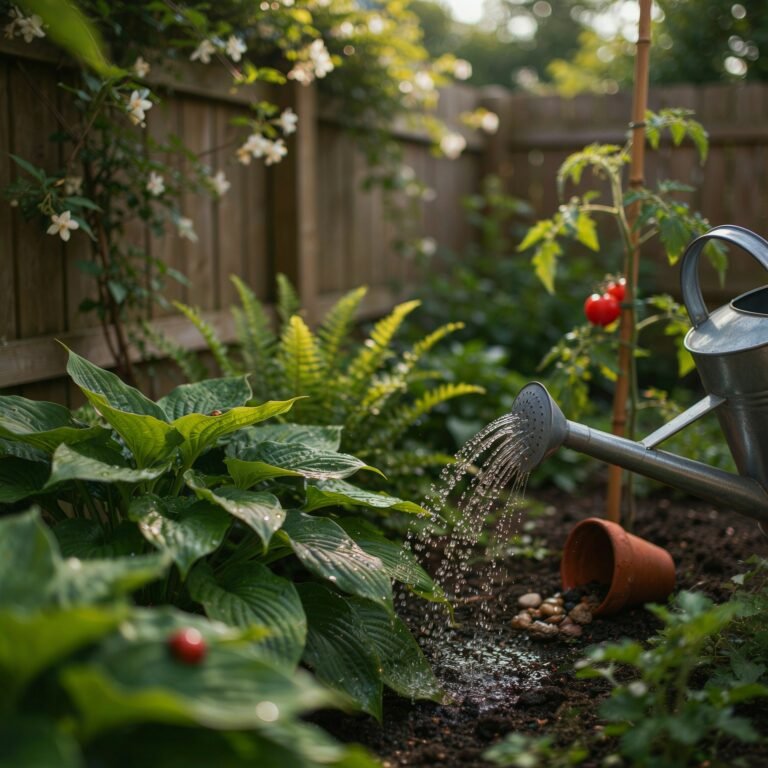
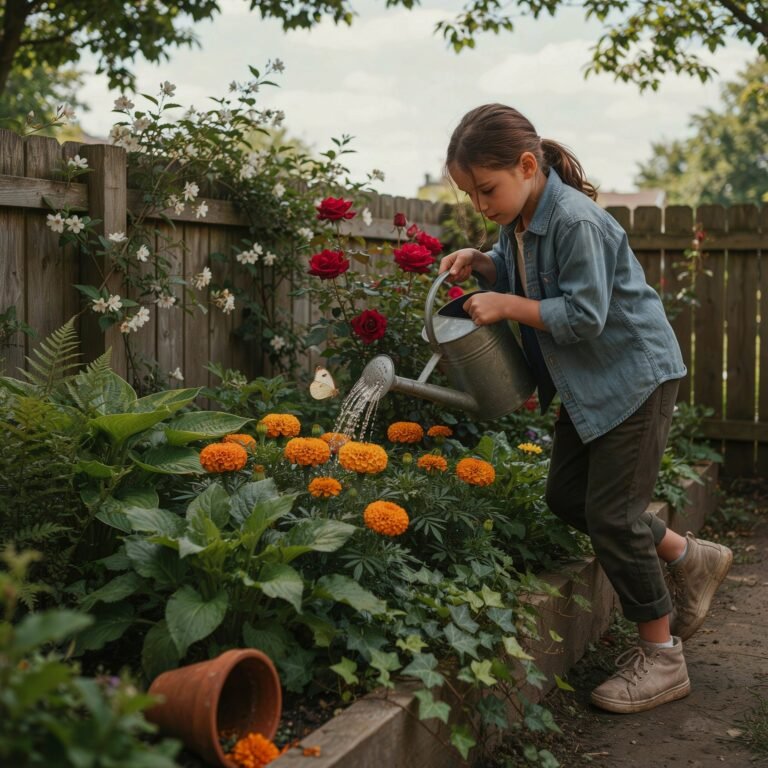
Annuals and container plants work hard all season, and they run out of food fast since there’s no surrounding garden soil to pull from. Water-soluble fertilizer mixed right into a watering can is the easiest option here. Feed containers sitting in full sun once a week. Feed shaded containers every two weeks instead, since they grow slower and use up less. If a weekly schedule feels like too much to keep track of, a slow-release granular fertilizer sprinkled on the soil once or twice a season works just as well, feeding the plant a little at a time with every watering.
How Do I Fertilize Perennials, Trees, And Shrubs?
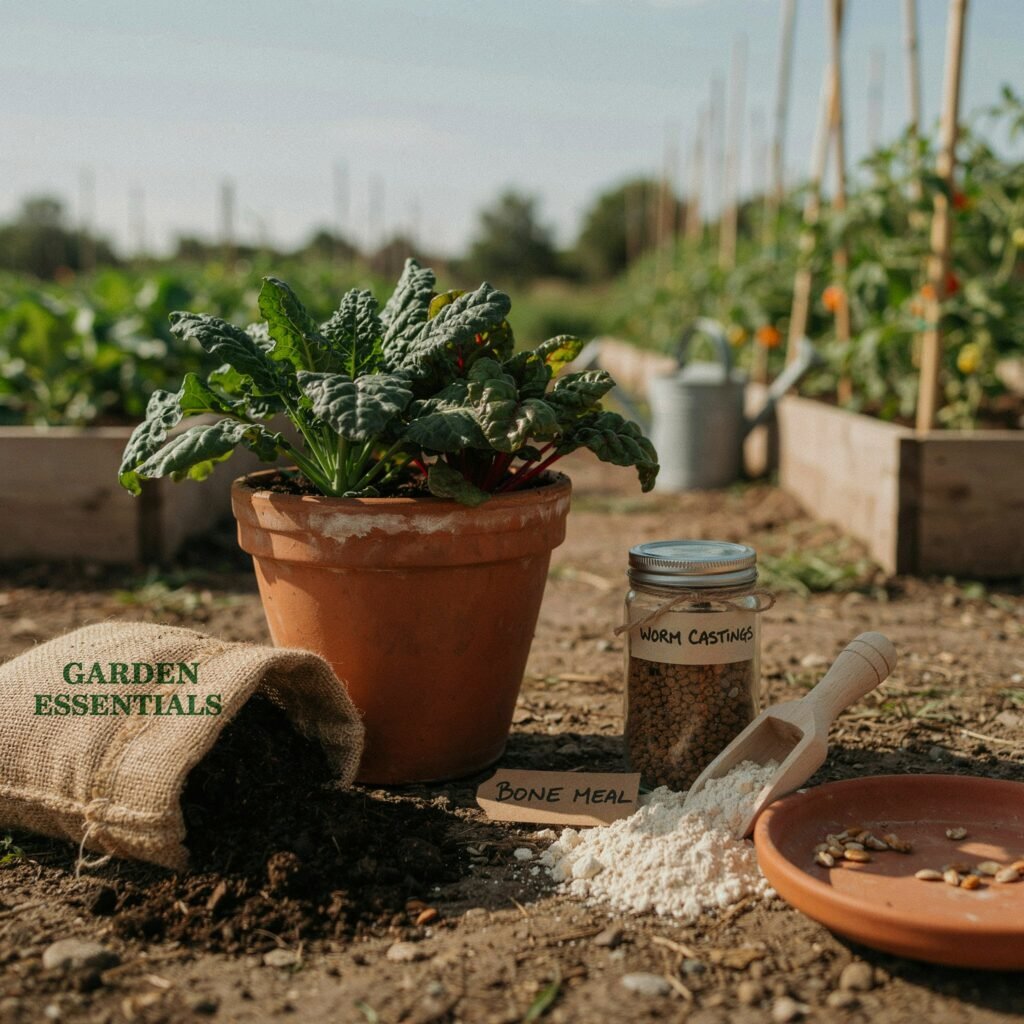
Established perennials, trees, and shrubs don’t need constant feeding the way annuals do. An all-purpose organic fertilizer applied once in spring and once in fall covers most of what they need. For shrubs, work the fertilizer into the soil around the drip line, the area just beneath the outer edge of the branches. For trees, base the amount on trunk diameter and mix it into the top few inches of soil before a good rain or a deep watering.
Do Evergreens Need A Different Fertilizer?
Yes, and they’re often the plants gardeners forget to feed at all. Evergreens do best with a fertilizer formulated specifically for them, applied around the drip line in spring. If the area is mulched, pull the mulch back first so the fertilizer actually reaches the soil instead of sitting on top of bark chips.
How Should I Fertilize Vegetables And Herbs?
Vegetables are heavy feeders, especially fruiting plants like tomatoes and peppers. Mix an all-purpose vegetable fertilizer into the soil at planting, then feed again monthly through the growing season. Tomatoes benefit from a fertilizer with extra calcium and potassium once they start setting fruit. Herbs need far less. Most only need one feeding at planting and maybe one more after a big harvest. One should also add eggshells in plants and also tea residue in order to make them bloom.
How Often Should I Fertilize My Outdoor Plants?
This depends on the plant and the fertilizer type. Water-soluble fertilizers act fast but wash out fast too, so they need reapplying every one to two weeks during the growing season. Slow-release granular fertilizers only need reapplying every couple of months. Established trees, shrubs, and perennials usually only need feeding twice a year. When in doubt, follow the label. It’s written for the specific product sitting in your hand.
Can I Over-Fertilize My Plants?
You can, and it happens more often than people think. Fertilizer labels tend to recommend more than a plant actually needs. Too much can burn roots, scorch leaf edges, or push a plant to grow faster than its own root system can support. If you’re not sure how a plant will react, mix the fertilizer at half the recommended strength first and watch how it responds before going any stronger.
What Role Does Compost Play In Fertilizing?
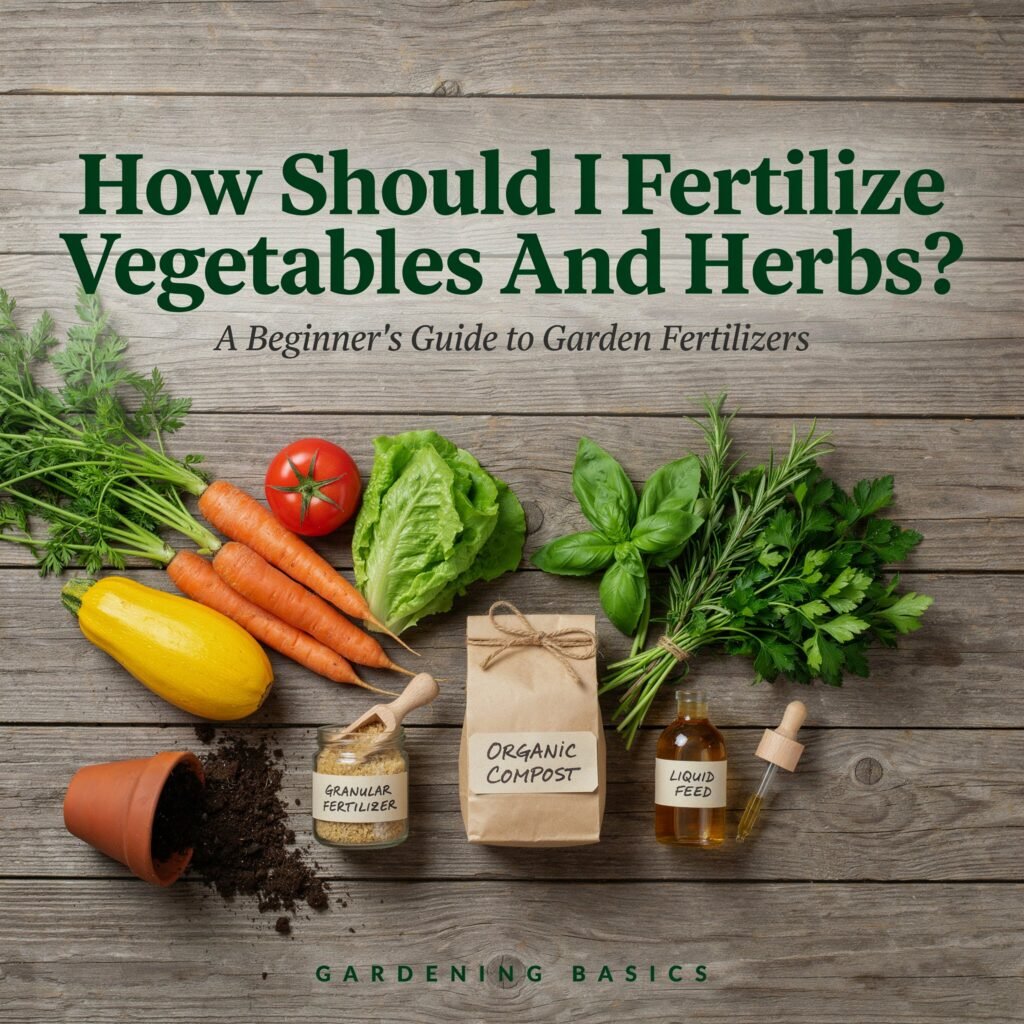
Compost isn’t a replacement for fertilizer, but it makes fertilizer work better. It loosens heavy clay soil, helps sandy soil hold onto water, and adds a slow trickle of nutrients on its own. Healthy soil full of organic matter also needs less fertilizer overall, since the plants already have more to draw from. If you buy compost instead of making your own, look for a source you trust. Not everything labeled compost has fully broken down, and unfinished compost can actually burn roots instead of feeding them.
When Should I Stop Fertilizing?
Stop feeding most outdoor plants once fall settles in and growth starts to slow down. A plant that isn’t actively growing can’t use the nutrients you’re giving it, and pushing fertilizer during dormancy can stress roots right before winter hits. Wait until new growth shows up again in spring before you start feeding once more.
Frequently Asked Questions
Can I Fertilize Outdoor Plants Right After Transplanting Them?
No. Give a new plant two to three weeks to settle in first. Fertilizing too soon can stress roots that haven’t fully established yet.
Is It Better To Fertilize Before Or After Watering?
Water first, then fertilize. Dry soil pulls in fertilizer too fast, which raises the risk of burning the roots.
Do I Still Need To Fertilize If I Already Use Compost?
Usually yes, but at a lighter rate. Compost feeds the soil over time, while fertilizer gives plants a more immediate, targeted nutrient boost.
Can Too Little Fertilizer Hurt My Plants Too?
Yes. Under-fertilized plants often show pale leaves, slow growth, or fewer blooms. A simple soil test can confirm whether nutrients are actually running low.