Best Time To Water Plants: Morning vs. Evening Watering
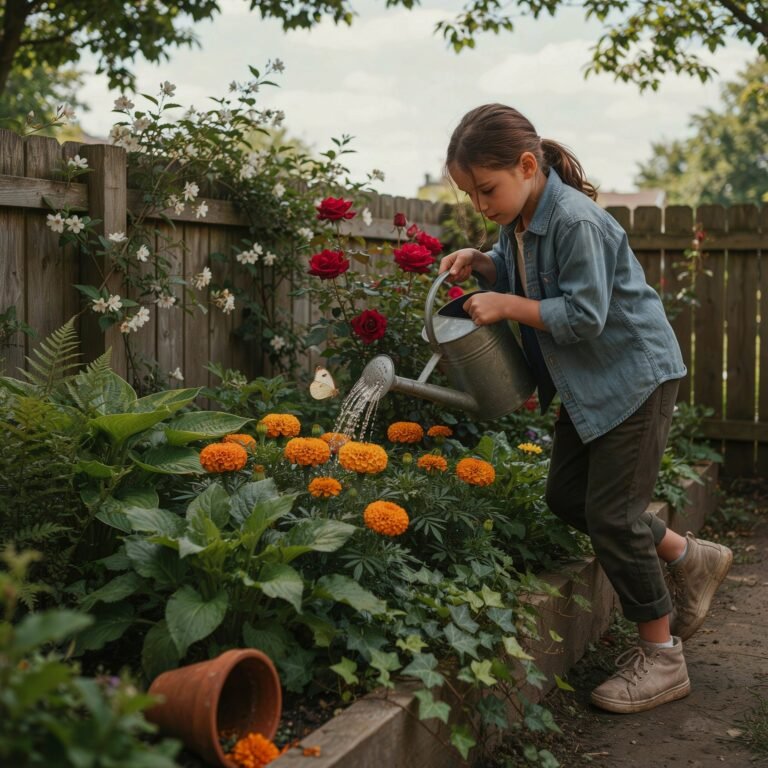
The best time to water plants is early morning, before the sun climbs high and the day heats up. Water too late in the afternoon, and much of it evaporates before roots ever get a drink. Water too late at night, and damp leaves sit in the dark for hours, which is exactly what fungus and pests like. Timing isn’t a minor detail. It changes how much water your plants actually use, how healthy their roots stay, and how often you end up watering in the first place. Here’s how morning and evening watering compare, when each one makes sense, and how to build a routine that fits your yard, not a generic chart.
Quick Answer: Morning Or Evening?
• Most plants, most of the year: water in the morning, before 10 a.m.
• Extreme heat, 85°F and up: add a short evening watering on top of your morning routine.
• Containers and seedlings: check the soil daily, since small pots dry out fast.
• Avoid watering after dark or during peak afternoon sun, when most of it goes to waste
Is Morning Really The Best Time To Water Plants?
Yes, morning is the best time for most plants, most of the year. Overnight, plants rest. Their stomata, the tiny pores on leaves that control water loss, stay mostly closed. When the sun comes up, those pores open and the plant starts pulling water from its roots to fuel photosynthesis. Water it right before that happens, and the plant uses what you give it instead of losing it to evaporation.
Morning watering also gives leaves time to dry out before evening. Wet foliage overnight is one of the biggest triggers for fungal disease in a garden. A few hours of daytime sun and light wind solve that problem without any extra work on your part.
When Does Evening Watering Make More Sense?
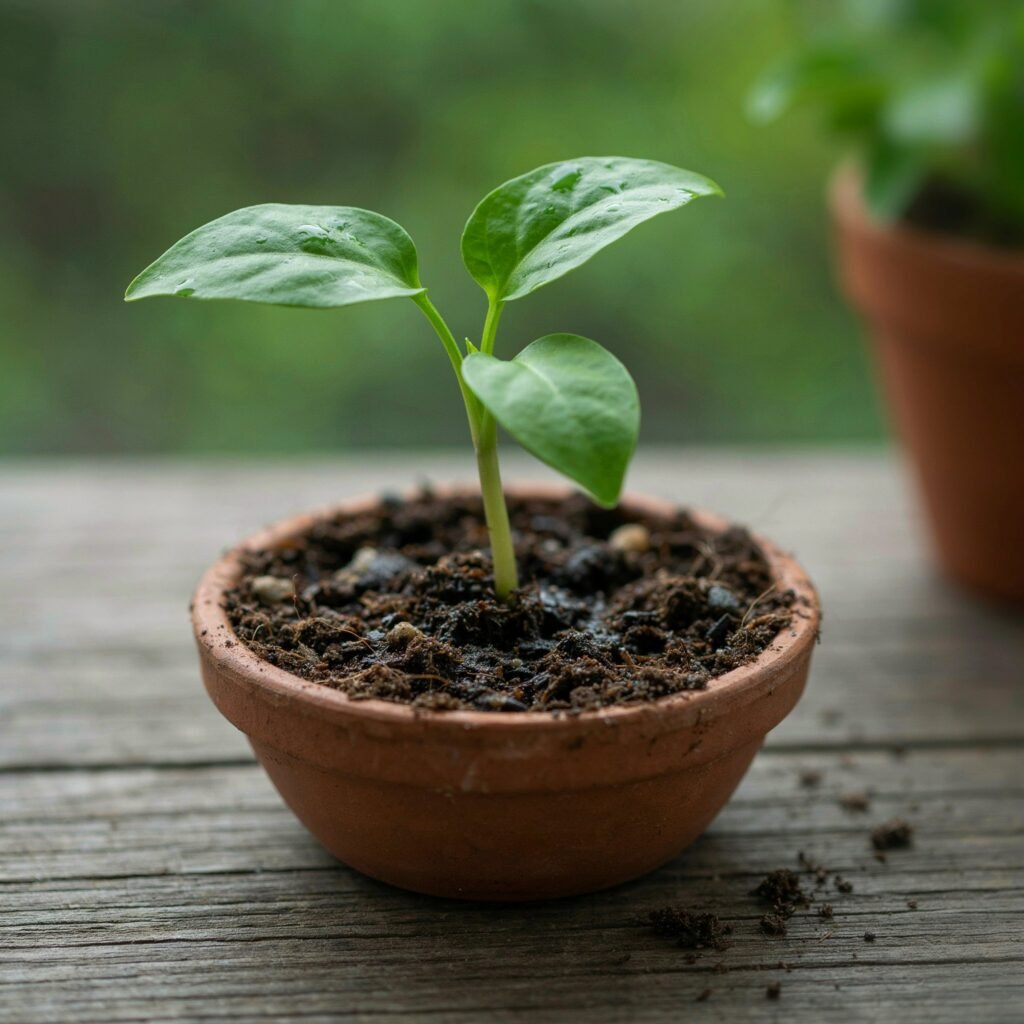
Evening watering earns its place during real heat. Once daytime temperatures climb past 85°F, morning water can evaporate before it ever reaches the root zone. Watering after the sun goes down gives roots several cool hours to actually absorb it, instead of fighting the afternoon sun for every drop.
Container plants are the biggest exception to the morning rule. Small pots dry out fast, sometimes within a single afternoon. On the hottest days, a quick evening top-off keeps roots from drying out overnight, on top of your regular morning watering, not instead of it.
What Happens If You Water Plants at Night?
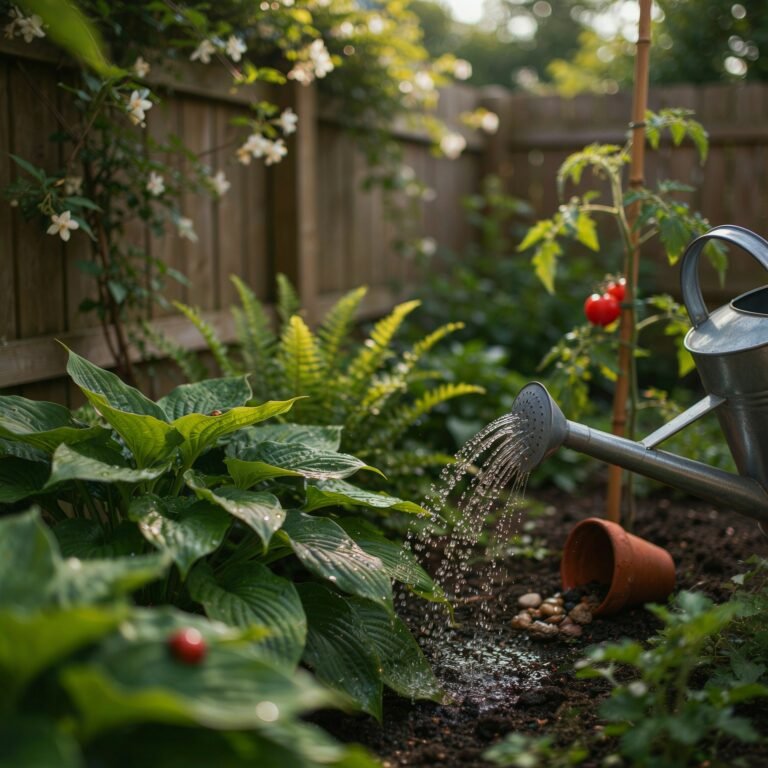
Night time watering isn’t dangerous, but it’s not efficient either. Without sun or wind to speed up evaporation, water sits on leaves and in the top layer of soil for hours. That damp environment is where powdery mildew, root rot, and slugs thrive. If evening watering is your only option because of your schedule, water at the base of the plant instead of overhead, and skip the sprinkler for anything you water after dinner.
Can You Water Plants In The Middle Of The Day?
You can, and the old idea that droplets burn leaves like a magnifying glass doesn’t hold up. Water evaporates off a leaf long before it could ever focus enough sunlight to cause damage. The real issue with midday watering is waste, not harm. Between 11 a.m. and 3 p.m., evaporation runs highest, so a large share of the water you use never reaches the roots at all. It won’t hurt your plants. It just costs you more water for less benefit.
Does The Season Change The Best Watering Time?
Yes, and this is where a lot of routines fall apart. In spring and fall, morning watering every few days is usually enough. In summer, when heat and evaporation spike, plants often need water twice a day, morning and evening, especially in containers or raised beds. In winter, cut back further. Cold, wet soil overnight slows root activity and raises the risk of rot, so a mid-morning watering after any frost has cleared works best.
How Does Plant Type Change The Right Watering Time?
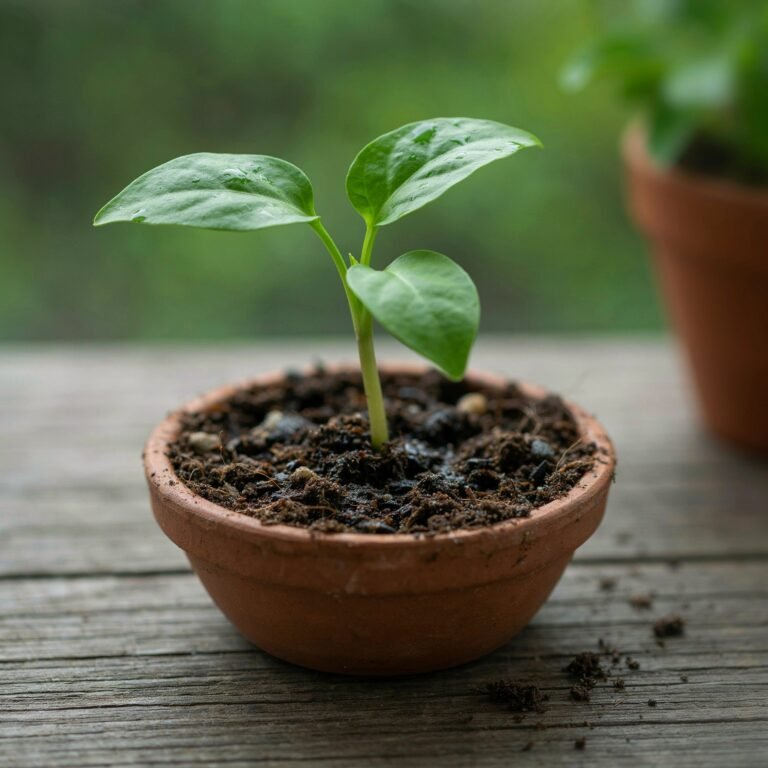
Young seedlings and freshly moved transplants have shallow roots and dry out fast, so they often need a light midday drink on top of morning watering, especially in hot weather. Established, deep-rooted shrubs and trees can go longer between waterings and do best with a single deep morning soak. Succulents and other drought-tolerant plants need the least water overall, and morning watering, spaced further apart, keeps their roots from sitting in moisture they don’t need.
What’s The Best Watering Routine For Indoor Plants?
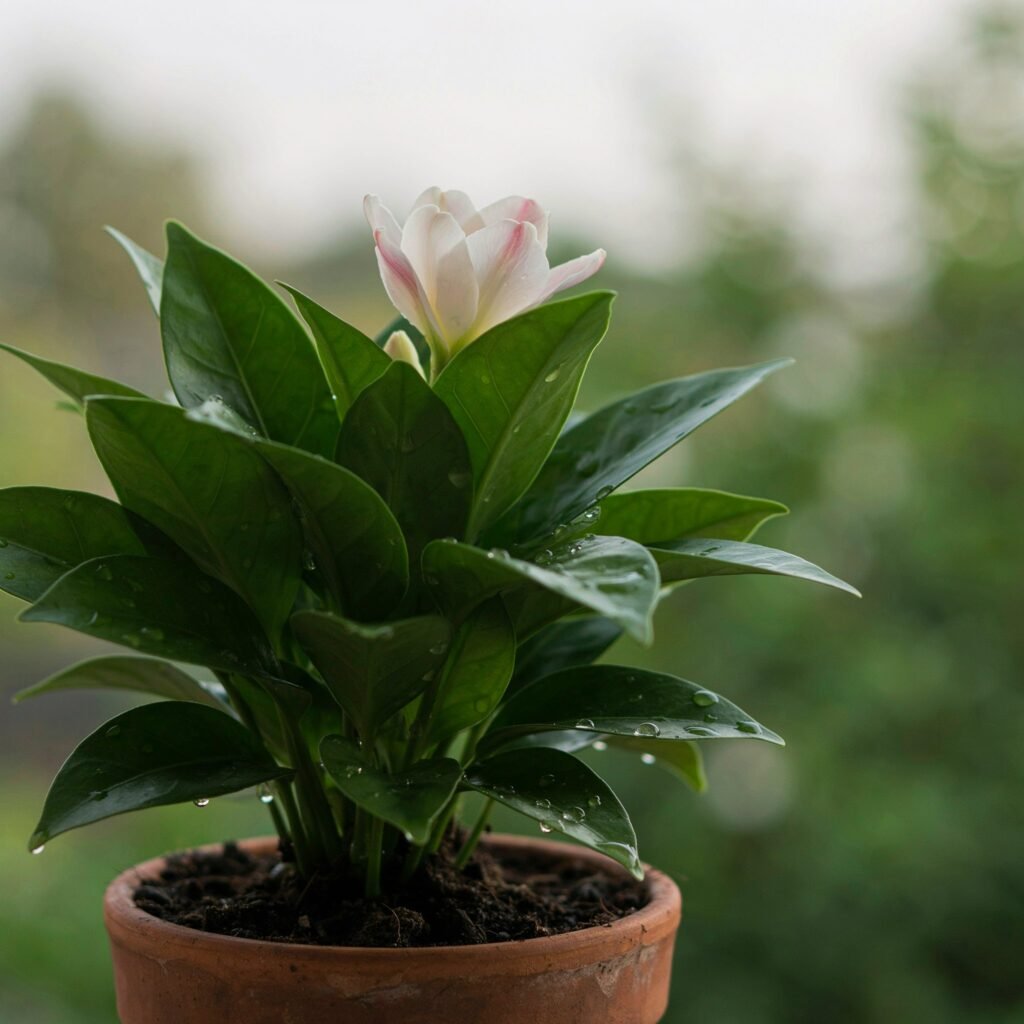
Indoor plants don’t deal with direct sun or wind, so evaporation isn’t the main concern. Morning still wins here too, mainly because it matches the plant’s natural rhythm and gives you a chance to spot dry soil, drooping leaves, or pests before you leave for the day. Water in the morning, check the top inch of soil first, and let pots drain fully so roots aren’t sitting in standing water by the time you’re back home that evening.
The Bottom Line
When someone asks which is the best time for watering, then morning will stay at the top. Morning watering wins for most plants, most of the year. It matches how plants naturally use water, and it keeps leaves dry by nightfall. Evening watering has its place too, mainly during heat waves and for thirsty container plants that can’t make it through a hot afternoon on a single morning drink. Pay attention to your climate, your containers, and the season, and the right time to water becomes less of a guessing game and more of a routine.
Frequently Asked Questions
What’s the best time to water tomatoes in summer?
Early morning, before 8 a.m., is best for tomatoes in summer. It gives leaves time to dry before evening, which lowers the risk of blight and other fungal problems common in vegetable gardens.
Is it bad to water plants right after rain?
Not necessarily. Check the soil about two inches down first. If it’s still dry under a light rain, a quick morning watering won’t hurt and may still be needed.
How long before sunset should I water in the evening?
Aim to water at least two hours before sunset. That leaves some daylight for leaves to dry, which cuts down on the fungal risk that comes with wet foliage overnight.
Do succulents need morning or evening watering?
Morning, and less often than most other plants. Their thick leaves store water, so watering every 7 to 10 days is usually plenty, even in warm weather.
Can a timer help me water at the right time automatically?
Yes. A drip irrigation timer set for early morning is one of the most reliable ways to keep watering consistent without checking the clock or guessing.