

Low-Maintenance Winter Garden Plants For Busy Schedules
Low-Maintenance Winter Garden Plants For Busy Schedules
Winter shouldn’t turn your garden into a second job. If your schedule is already full, the last thing you need is a border that demands fussing every time the weather shifts. Low-maintenance winter garden plants solve that problem. They do most of the work themselves once you’ve picked the right ones for your space.
That doesn’t mean settling for a bare yard until spring. A handful of hardy plants can carry a garden through winter with foliage, color, and shape, while asking very little from you in return. The trick is matching plants to your actual conditions instead of trusting a pretty nursery tag to work out.
What Makes A Plant Low-Maintenance In Winter?
A few traits separate an easy winter plant from a needy one. It stays put outdoors through your normal cold snaps instead of needing to come inside. Pruning and deadheading stay minimal, and slow growth doesn’t make it look half-dead.
Before you buy anything, think about the jobs a plant might create later. Will it need moving indoors before a hard freeze, or does it hate wet feet? A plant can be gorgeous in the photo and still be the wrong pick for a packed schedule.
Which Cold-Hardy Plants Need The Least Winter Care?
Hellebores, heuchera, and bergenia are dependable choices for most of the country, holding their shape through USDA zones 4 through 9 with barely any input from you. Ornamental grasses like miscanthus and switchgrass handle cold well too, and they earn their keep by looking good even under frost.
Compact conifers are another safe bet. Dwarf Alberta spruce tolerates zones as cold as 2, while boxwood holds steady from zone 5 up. Check your USDA hardiness zone before buying anything, and lean toward plants rated for conditions colder than what you actually get. Worth the extra five minutes if winter ends up worse than usual.
How Do Evergreen Plants Hold A Winter Garden Together?

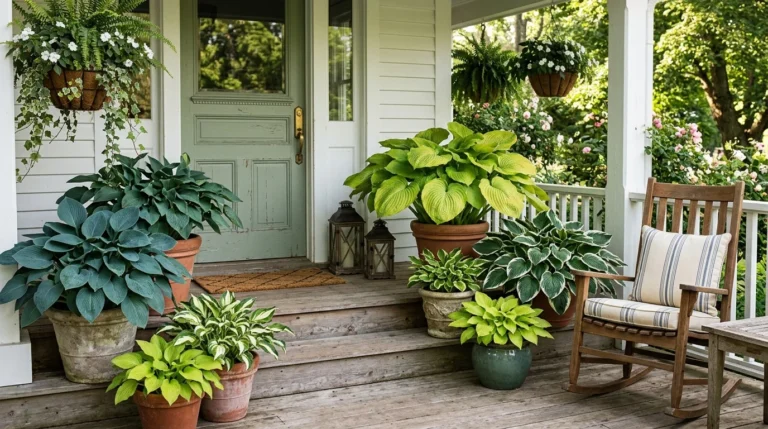
Evergreens matter most in winter because everything else is going bare or dying back. Boxwood, holly, dwarf conifers, and evergreen ferns like Christmas fern keep the garden looking intentional instead of abandoned.
Place them where they’ll do the heavy lifting. One rounded shrub by the front steps, a low evergreen along a path, or a fern tucked under taller planting can carry the whole space through the coldest months. You don’t need many. A few repeated plants are easier to manage than a dozen different species with a dozen different needs.
Which Plants Add Winter Color Without Extra Work?
Hellebores bloom right through snow in many regions and barely ask for anything once established. Winter jasmine and witch hazel add color on bare stems before spring even starts, and in zones 6 through 9, pansies and violas keep blooming on and off through mild winters.
Keep flowering plants where you’ll actually see them. A pot by the front door or a small cluster near a window you pass daily earns more attention than the same plants scattered across a back border you rarely visit.
How Should You Set Up Winter Containers to Save Time?
Containers are convenient, but their roots are more exposed than plants in the ground, so a few smart choices upfront save a lot of hassle later.
• Choose fewer, larger pots instead of many small ones. Bigger soil volume holds temperature and moisture more evenly
• Pick frost-resistant materials like thick resin or fiberglass. Thin terracotta tends to crack in a freeze-thaw cycle.
• Raise pots slightly off the ground on feet so water drains freely instead of pooling underneath.
• Group plants with similar water and light needs in the same pot
• Use one slow-growing evergreen as a permanent anchor, then swap smaller seasonal colors around the edges.
Why Does Drainage Matter More Than Cold?
Cold gets the blame, but soggy roots kill more winter plants than low temperatures alone. A plant rated for your zone can still fail if it sits in waterlogged soil for weeks.
In beds, improve drainage before you plant rather than after something struggles. In containers, always use a potting mix built for drainage, not dense garden soil, and make sure every pot has real drainage holes. It sounds minor, but it prevents more winter losses than frost protection ever will.
How Much Winter Maintenance Do These Plants Actually Need?
Not much. Skip the daily inspection and switch to event-based care instead: walk the garden after a storm, heavy rain, or a hard freeze, and deal with anything obvious, like a toppled pot or a snapped stem.
Check container soil by hand before watering rather than watering on a fixed schedule. Leave seed heads and dried stems standing through the worst of winter. They hold up fine, feed the birds, and give you one less job before spring.
Which Us Hardiness Zones Make This Easiest?
Zones 6 through 9 have the mildest winters, so plants there rarely need extra protection once established. This covers a wide stretch of the country, from the Mid-Atlantic down through the Southeast and across much of the West Coast.
Gardeners in zones 3 through 5 can still keep the workload low by choosing plants rated at least one zone hardier than their actual zone. The USDA Plant Hardiness Zone Map is worth checking before you buy anything, since a plant that’s low-maintenance in Virginia might need real babying in Minnesota.
Final Thoughts
A low-maintenance winter garden starts with picking plants that are already comfortable where you’re putting them. Hardy perennials cut down on replacement work, evergreens hold the garden together once everything else goes quiet, and a few well-placed winter flowers add color right where you’ll actually notice it.
Get that part right, and winter care becomes a matter of occasional checks instead of constant intervention. You still get a garden with texture and life outside the window. You just don’t have to give up every free afternoon to keep it that way.
Frequently Asked Questions
What Usda Zones Are Easiest For A Low-Maintenance Winter Garden?
Zones 6 through 9 generally need the least winter protection, since temperatures rarely drop low enough to damage established hardy perennials and evergreens. Gardeners in zones 3 through 5 can still keep maintenance low by choosing plants rated at least one zone hardier than their own.
Is It Safe To Leave Ornamental Grasses Standing Through Winter?
Yes. Most ornamental grasses hold up fine left standing, and they often look better with frost on the seed heads. Cut them back in late winter, right before new growth starts, instead of in fall.
Do Potted Winter Plants Need More Protection Than Plants In The Ground?
Usually, yes. A container exposes roots to cold from every side instead of just the top. Push pots against a sheltered wall, or wrap the container itself in burlap ahead of a hard freeze.
Should You Mulch Low-Maintenance Winter Plants?
A two- to three-inch layer around the base helps hold soil temperature steady and keeps moisture from swinging too far in either direction. Keep the mulch a few inches back from the crown so the stem doesn’t stay damp.
What’s The Most Common Mistake With Low-Maintenance Winter Containers?
Overwatering. Plants use far less water in winter, and cold, wet soil kills roots faster than the cold itself does. Check the soil by hand before watering instead of sticking to a set schedule.


One Comment